



Geotab Predicts High-Integrity Data and AI Will Shape Fleet Survival in 2026
Geotab Adds Investigation Tools to Cut the Post-Incident Paper Chase
When a company vehicle is involved in a crash or complaint, Geotab Investigations brings telematics data, photos, reports, and other records into one case workflow.
August 17, 2026
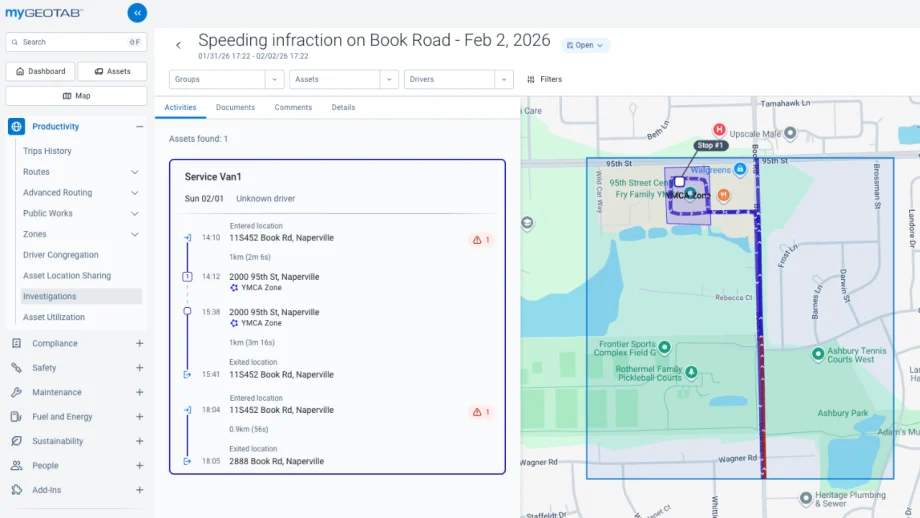
Geotab Investigations gives businesses a centralized view of vehicle activity and incident details, helping reduce the time spent pulling together records after a collision, complaint, or other fleet event.
Credit:
Geotab
3 min to read
For a small fleet, a vehicle incident can quickly turn into another administrative job. Someone needs to figure out where the vehicle was, what the driver was doing, what happened before the event, whether photos or video exist, and which reports, emails, or other records need to be collected. Then that information may need to be shared with management, an insurance provider, legal counsel, or other stakeholders.
Geotab is trying to bring more of that work into one place with Geotab Investigations, a new platform for organizing information related to collisions, customer or citizen complaints, property damage, safety violations, and other fleet incidents. The solution allows users to search telematics-based vehicle activity by location and time and reconstruct an incident using trip information, speed events, driver behavior, and location data.
“Fleet-related incidents have cost companies billions of dollars in litigation and reputational damage, largely because critical data remains siloed,” said Sabina Martin, Vice President of Product Management at Geotab. “Geotab Investigations changes this by turning raw data into a structured, defensible system of record, providing fleet managers with the intelligence to mitigate risk and the evidence to protect their drivers, operations and bottom line.”
Outside materials, including photos, videos, reports, documents, emails, and notes, can then be added alongside the vehicle data. Instead of treating those pieces of information as separate records, fleets can maintain them as one case that moves through defined stages from open to closed.
Less Time Hunting for Fleet Data
The launch follows a broader effort by Geotab to reduce the amount of manual work required to turn fleet data into business decisions.
In June, Business Fleet reported on Geotab's Model Context Protocol Connector, which connects live MyGeotab information with approved AI platforms. At the time, Geotab argued that the value of AI for businesses depends heavily on whether it can access trusted operational data and connect that information across systems and workflows.
The connector was positioned as a way for fleet and business managers to generate reports, automate workflows, create alerts, and take other actions without repeatedly moving between software platforms.
Investigations brings a similar approach to incident response. Instead of gathering the pieces of an incident record individually, the new tool is designed to create a centralized timeline and case file that can be reviewed by the people involved.
The approach also follows Geotab's broader push toward digitizing manual fleet processes. In its 2026 technology predictions reported by Work Truck, the company emphasized the importance of high-quality operational data and moving information out of paper-based processes as AI becomes more involved in everyday fleet operations.
What Small Fleets Should Know
For businesses without a large safety or risk department, the practical benefit may be having fewer places to search when an incident needs to be reviewed. Geotab said the records created through Investigations can support operational decisions, insurance claims, compliance needs, and internal reviews. Using time-aligned vehicle information may also help determine what actually happened rather than relying solely on initial accounts of an event.
There is an important limitation for businesses dealing with actual or potential litigation. Geotab states that Investigations is not an evidence-preservation, legal-hold, or custodial service. Businesses are still responsible for preserving and producing any evidence required for litigation or investigations and for meeting applicable chain-of-custody and legal-hold requirements.
More Telematics & Tech

Samsara Driver Perks Gives Small Fleets a Ready Made Driver Benefit
Small fleets can offer drivers discounts from more than 50 brands without building or managing their own employee rewards program.
Read More →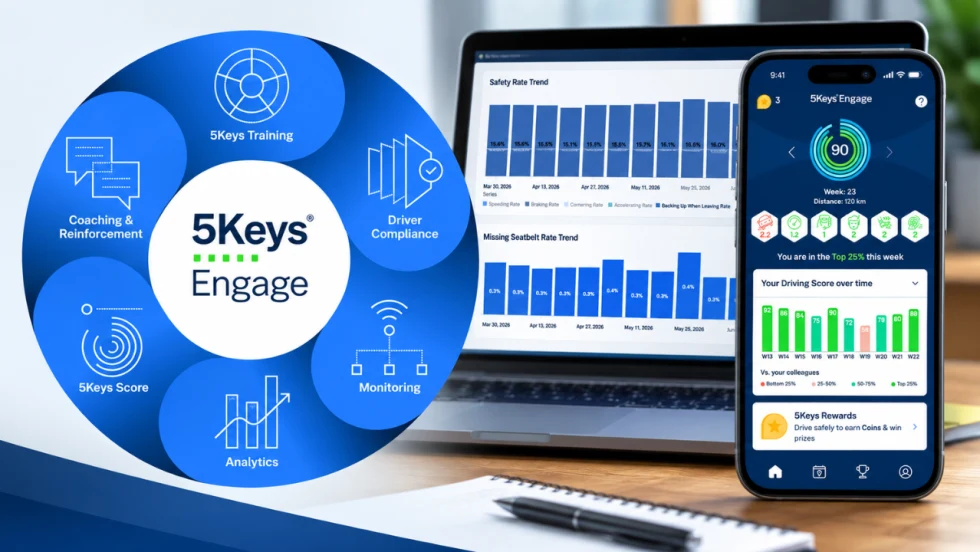
Smith System Says Small Fleets Need a Safety Cadence Not More Data
Smith System’s new Driver Risk Management program aims to help smaller fleets turn telematics and camera data into a repeatable coaching process without building a dedicated safety department.
Read More →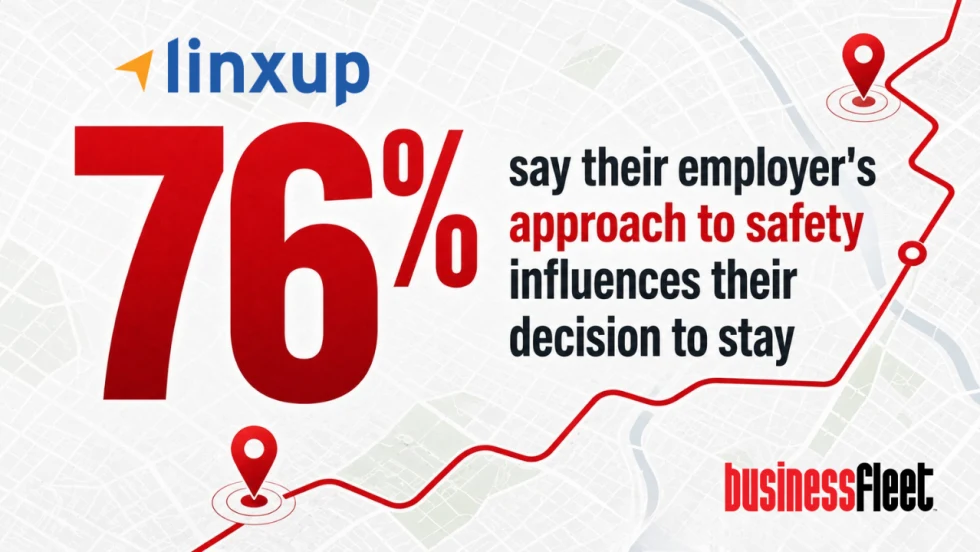
Dash Cams May Be Doing More Than Protecting Your Fleet Vehicles
Dash cams and GPS tracking may do more than improve safety. New survey findings link fleet technology to driver protection, employee retention, and customer confidence.
Read More →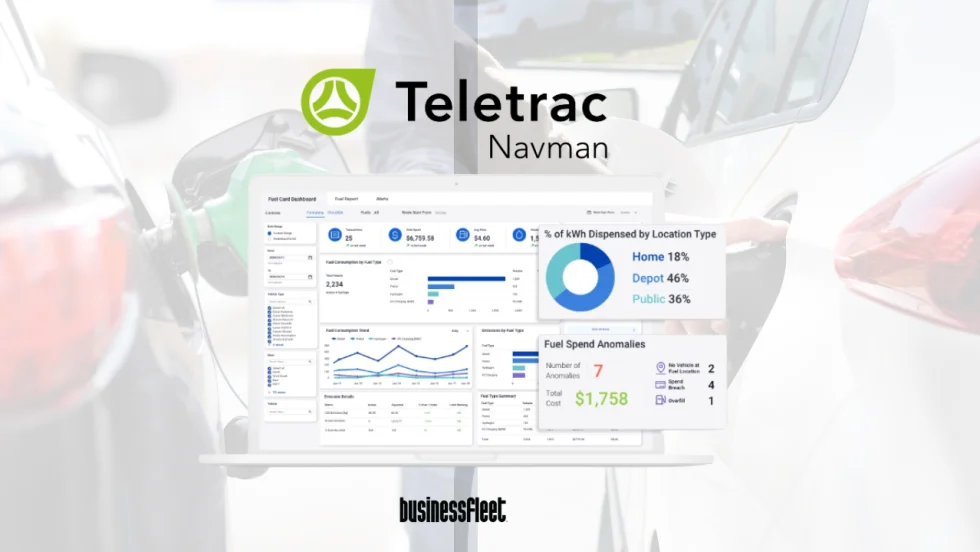
Teletrac Navman Adds Mixed-Energy Tracking to TN360
Energy Hub combines fuel card data, EV charging activity, reimbursements, and vehicle energy use in one dashboard for fleets operating gasoline, hybrid, and electric vehicles.
Read More →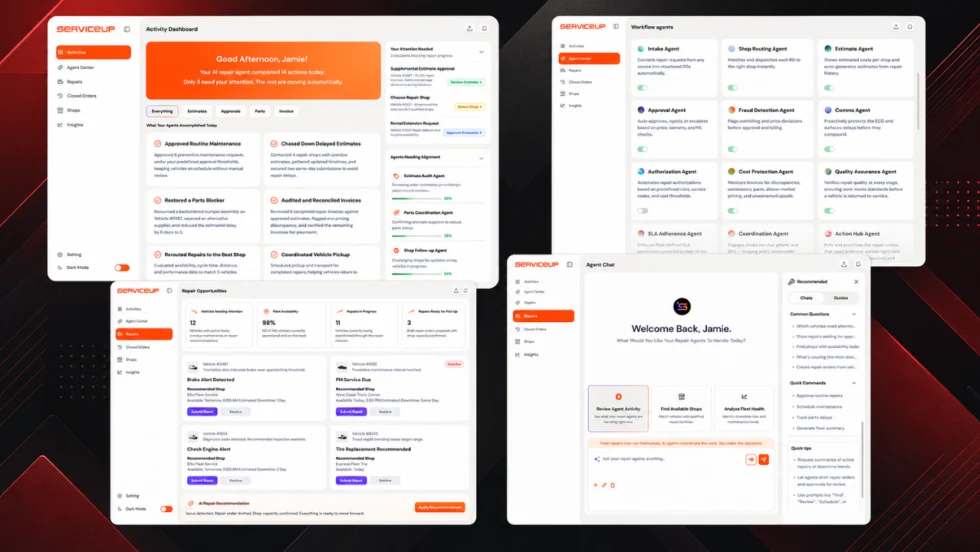
ServiceUp Brings Automated Repair Coordination to Small Fleet Operators
New AI repair agents handle shop calls, estimate reviews, status checks, and invoice validation so business owners can spend less time coordinating vehicle repairs.
Read More →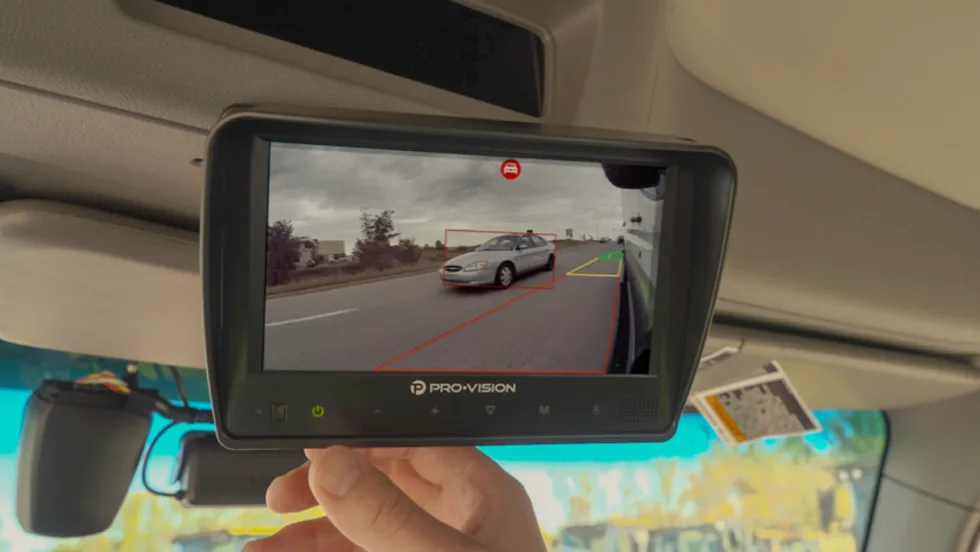
Pro-Vision Expands AI Fleet Safety Beyond the Cab
Pro-Vision's new AI camera and processing module extend real-time exterior hazard detection while integrating with leading fleet telematics platforms.
Read More →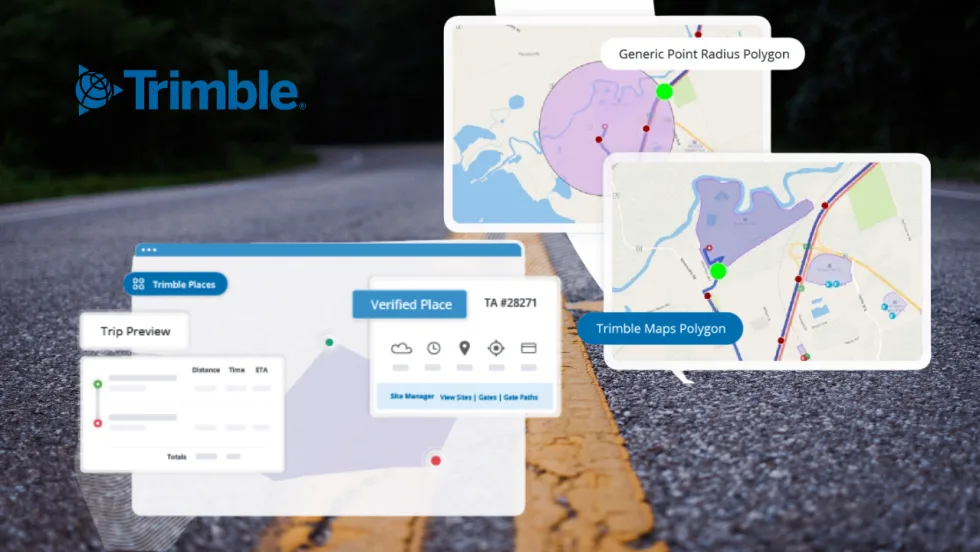
Trimble to Add Hotel Booking Capabilities to Fleet Products Through Engine Partnership
Trimble is adding hotel-booking capabilities to its fleet tools, helping drivers and small fleets find lodging faster during trips and breakdowns.
Read More →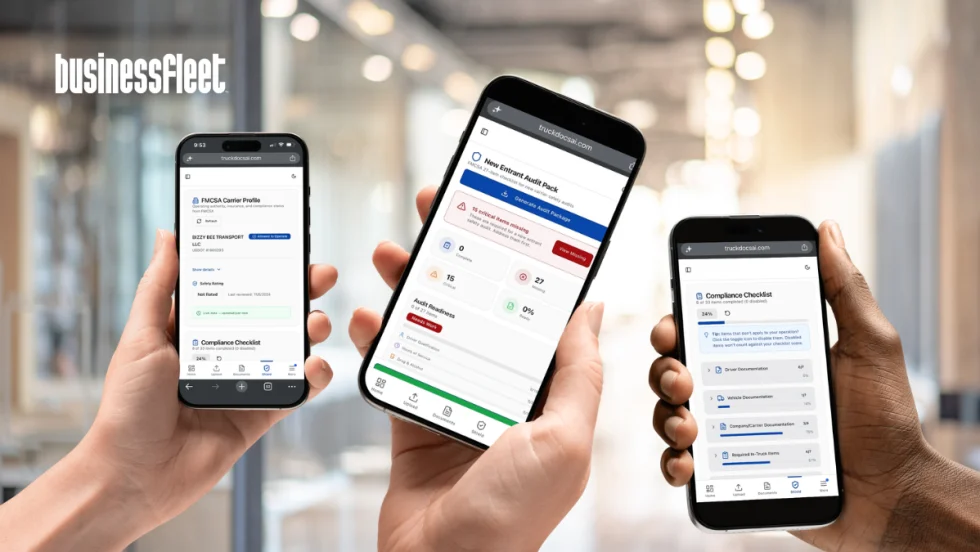
TruckDocsAI Launches AI-Powered Compliance Platform for Owner-Operators and Small Fleets
Can AI simplify DOT compliance? TruckDocsAI launches a new platform for owner-operators and small fleets facing audit pressures.
Read More →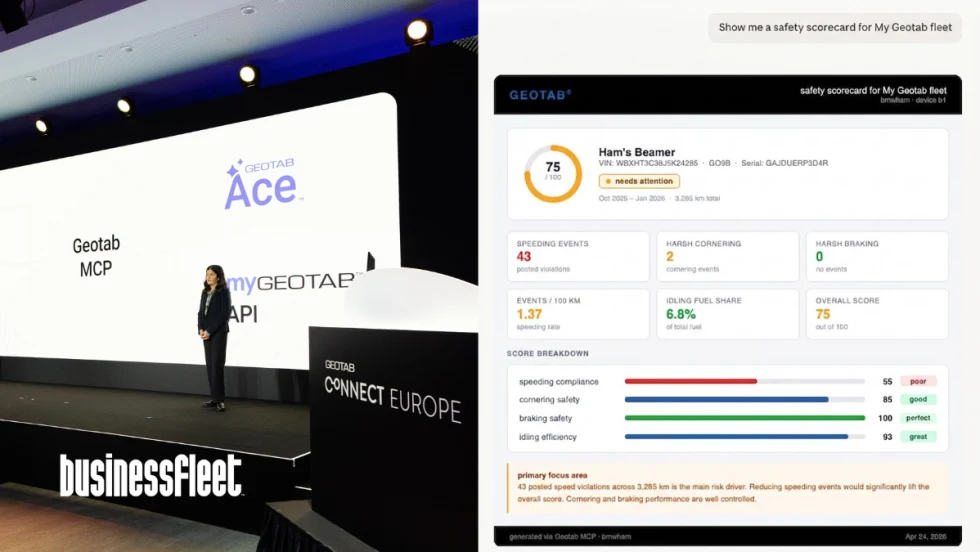
Geotab Says Fleet AI Success Depends More on Data Than the AI Model Itself
Geotab's new AI connector links fleet data with ChatGPT and other platforms, helping organizations turn AI investments into business results.
Read More →
From Watchdog to Wingman: How Small Fleets Can Use Predictive Telematics to Retain Drivers
Predictive telematics can help small fleets improve driver satisfaction, reduce turnover, and build a stronger safety culture through smarter coaching.
Read More →