



Keep Learning: You Do Not Have to Be a Big Business to Build the Next Fleet Generation
Smith System Says Small Fleets Need a Safety Cadence Not More Data
Smith System’s new Driver Risk Management program aims to help smaller fleets turn telematics and camera data into a repeatable coaching process without building a dedicated safety department.
September 9, 2026
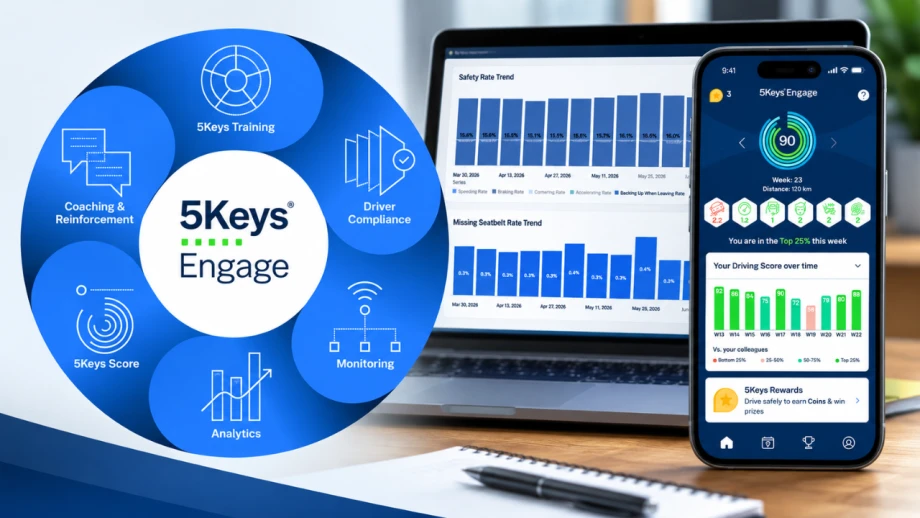
Smith System’s 5Keys Engage platform connects driver monitoring, analytics, training, and coaching. The Driver Risk Management program is designed to help fleets turn safety data into specific actions and measurable follow-up.
Credit:
Smith System | Business Fleet
5 min to read
Small and midsize fleets have no shortage of driver data. Telematics, cameras, scorecards, speeding alerts, harsh-braking events, and other tools can provide a steady stream of information about what is happening behind the wheel. The harder part is deciding what deserves attention, who needs coaching, what action to take, and whether that action actually worked.
That is the problem Smith System says its new Driver Risk Management program is designed to address.
The fully managed program brings together driver training, monitoring, coaching, corrective actions, and analytics around the company’s Smith5Keys behavioral framework. Rather than treating driver alerts as isolated events, the program is designed to create a closed loop from identifying a risky behavior through intervention and follow-up.
For smaller business fleets without a dedicated safety department, Smith System CEO Derek Dunaway said the answer is not necessarily adding more staff.
“Do not build a department. Build a cadence,” Dunaway told Business Fleet.
Start With Fewer Things to Manage
Dunaway told Business Fleet that many smaller fleets already have the technology they need. Where they tend to struggle is with the management layer that comes after the data arrives. Every platform may produce alerts, rankings, and reports, but someone still has to determine which drivers need attention, decide what intervention makes sense, and follow up afterward.
Dunaway recommends reducing that workload first. For the overall outcome, fleets can track collisions per million miles. On the behavioral side, he recommends limiting the coaching focus to three to five behaviors rather than trying to manage every alert type produced by the fleet’s technology.
The Smith5Keys framework is designed around five behavioral domains, allowing incoming risk signals to be translated into a smaller set of behaviors a manager can monitor and coach.
Dunaway also recommends focusing on where risk is concentrated rather than starting with the fleetwide average. That means ranking drivers and beginning with the highest-risk group instead of trying to coach everyone at once. The goal is to give managers a shorter, more actionable list of drivers who need attention rather than another dashboard full of alerts.
Give Supervisors Something They Can Actually Use
In smaller fleets, the person conducting a safety conversation may be an operations manager, dispatcher, branch manager, or owner rather than a trained safety professional. That changes what the fleet needs from its driver data.
“Give supervisors language, not dashboards,” Dunaway told Business Fleet, who also noted driver scores and alerts should translate into observable behaviors that a manager can explain and a driver can act on.
Dunaway also cautioned against scorecards that drivers do not understand. If a score cannot be explained clearly, or the driver cannot identify what they should do differently the next day, the score can quickly feel arbitrary rather than useful.
That transparency matters operationally, too. Dunaway said supervisors need training on how to have coaching conversations, leadership needs to review the numbers regularly, and fleets need to clearly define which behaviors they are trying to manage.
Put Driver Risk on the Calendar
For smaller fleets, Dunaway recommends a recurring 30-minute monthly review of the risk list with named owners responsible for follow-up.
“The absence of a safety department is not the obstacle. The absence of a recurring cadence is,” Dunaway said.
That cadence should include more than reviewing past crashes. Dunaway recommends tracking both lagging and leading indicators.
- Lagging measures can include collisions per million miles, preventable crash rate using a consistent standard, cost per crash, and cost per million miles.
- Leading indicators can include risky-behavior rates normalized per 1,000 miles, coaching delivered, corrective-action completion and timeliness, seat belt compliance, and the percentage of high-risk drivers who improve and sustain that improvement.
Those leading indicators can give a fleet a much earlier view of whether the program is moving in the right direction, particularly when management wants to demonstrate progress within a single budget year.
Check Whether the Coaching Actually Worked
Smith System’s Driver Risk Management program is built around closing the loop after an intervention. A driver event can originate from telematics, an in-cab system, a speeding violation, or another monitoring source. The program maps that signal to a Smith5Keys behavior, assigns a targeted intervention, and then tracks whether the behavior changes afterward.
Dunaway told Business Fleet that simply recording that coaching occurred is not enough. The fleet should return to the data and look at whether the behavior that prompted the coaching actually improved and whether that improvement held.
He also recommends benchmarking fleet results against similar operations. A metric such as collisions per million miles can be difficult to evaluate by itself without knowing how comparable fleets perform.
Where Safety Technology Can Fall Short
Dunaway said one of the most common mistakes is buying a detection system and expecting it to function as an intervention system. Cameras and telematics can identify what happened, but they do not automatically create the coaching workflow that follows. A fleet can therefore end up with greater visibility into risky behavior without changing the behavior itself.
That gap can also affect driver trust if employees feel they are constantly being monitored but rarely receive clear feedback or coaching about what the data means. Some of that management burden can be handled by technology, according to Dunaway. A program can help prescribe the behavior, intervention, corrective action, and completion window rather than leaving every decision to an operations manager.
What cannot be outsourced, he said, is ownership and leadership attention.
“Technology observes behavior. It doesn’t change it,” Dunaway said. “Devices flag events; people coach behavior. The fleets that win aren’t replacing training with dashboards. They’re building a system where data, coaching, and training all speak the same language, and that’s what the 5Keys make possible.”
Smith System said its Driver Risk Management program is available now to fleets of all sizes.
In one deployment involving more than 2,000 drivers across 22 distribution centers, the company reported that a 5Keys-based program reduced preventable accidents by 38% over two years. Smith System also reported a return on investment ranging from 2.9 times to 9.5 times, with payback in three to eight months.
More Telematics & Tech
Can AI Agents Help Small Work Truck Fleets Do More With Less?
Motive's new AI Agents automate fleet safety, maintenance, compliance, and dispatch tasks. Here's how they work for smaller fleets, what managers control, and what early users are seeing.
Read More →
Samsara Driver Perks Gives Small Fleets a Ready Made Driver Benefit
Small fleets can offer drivers discounts from more than 50 brands without building or managing their own employee rewards program.
Read More →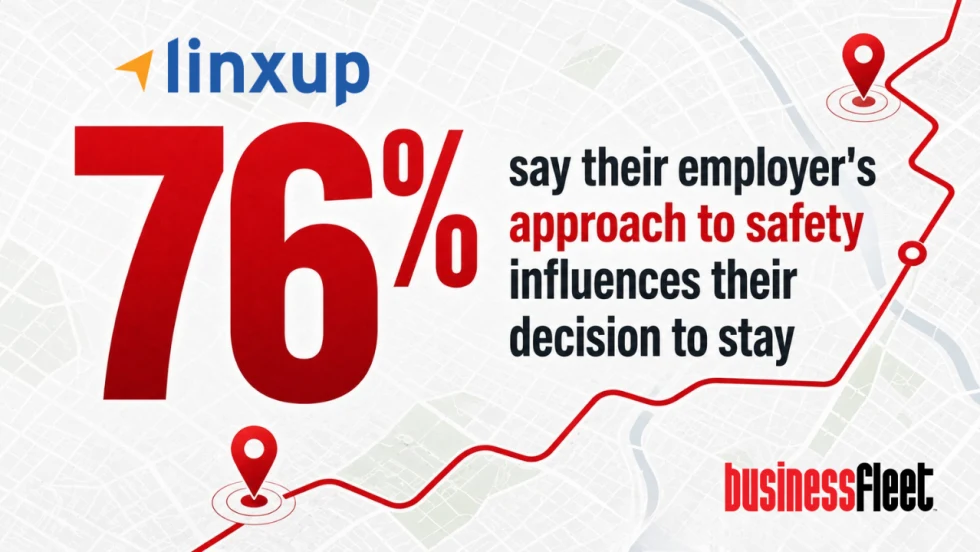
Dash Cams May Be Doing More Than Protecting Your Fleet Vehicles
Dash cams and GPS tracking may do more than improve safety. New survey findings link fleet technology to driver protection, employee retention, and customer confidence.
Read More →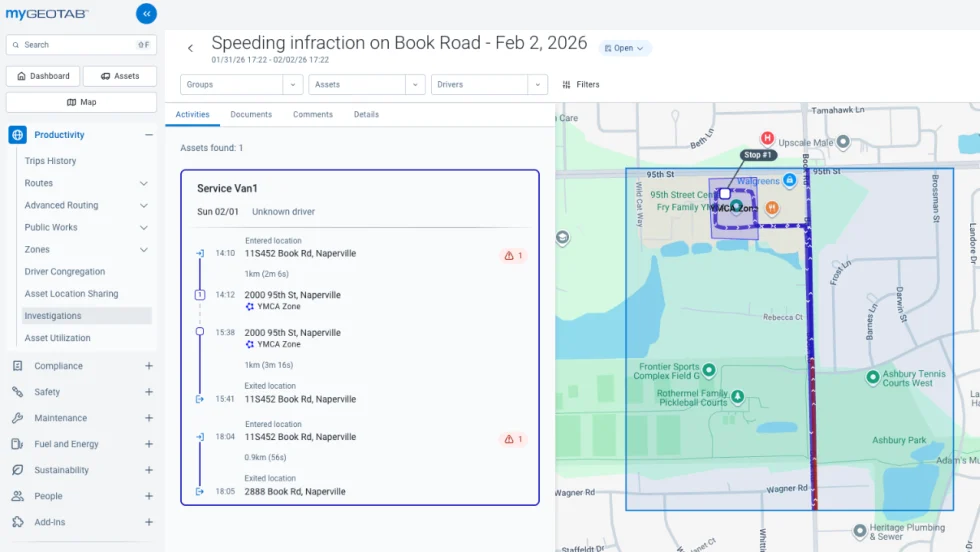
Geotab Adds Investigation Tools to Cut the Post-Incident Paper Chase
When a company vehicle is involved in a crash or complaint, Geotab Investigations brings telematics data, photos, reports, and other records into one case workflow.
Read More →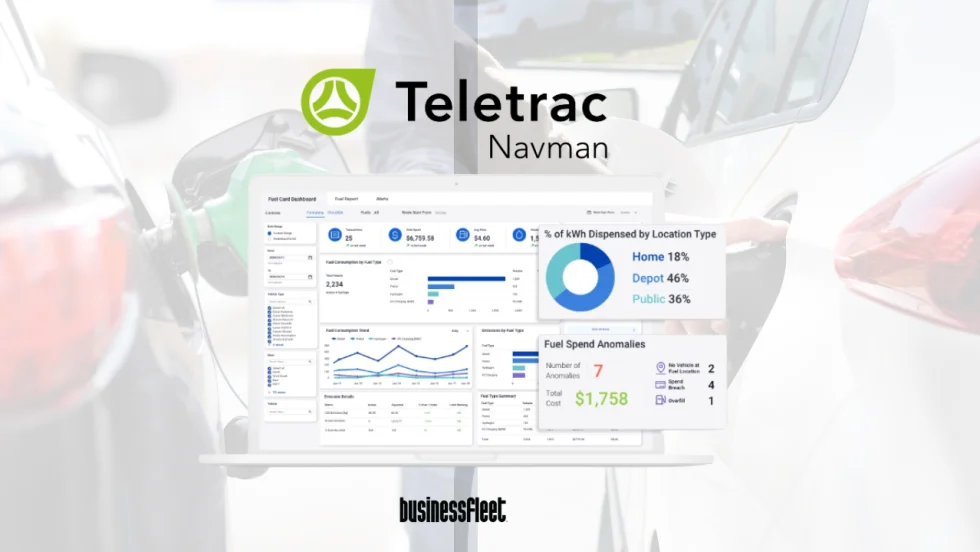
Teletrac Navman Adds Mixed-Energy Tracking to TN360
Energy Hub combines fuel card data, EV charging activity, reimbursements, and vehicle energy use in one dashboard for fleets operating gasoline, hybrid, and electric vehicles.
Read More →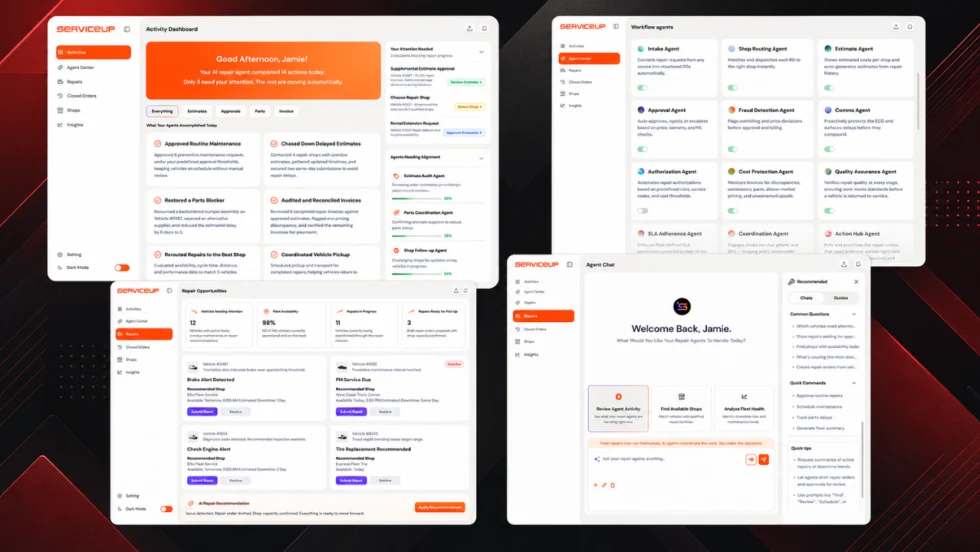
ServiceUp Brings Automated Repair Coordination to Small Fleet Operators
New AI repair agents handle shop calls, estimate reviews, status checks, and invoice validation so business owners can spend less time coordinating vehicle repairs.
Read More →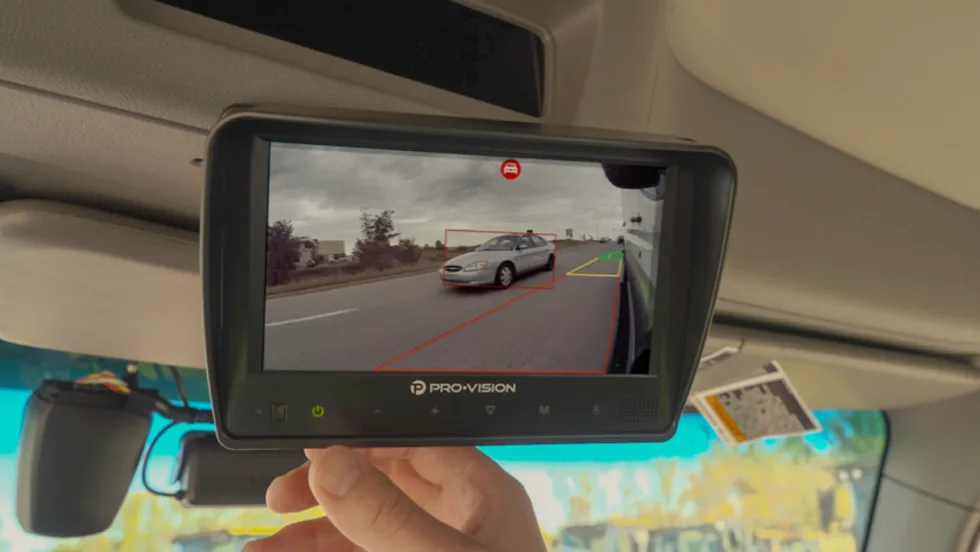
Pro-Vision Expands AI Fleet Safety Beyond the Cab
Pro-Vision's new AI camera and processing module extend real-time exterior hazard detection while integrating with leading fleet telematics platforms.
Read More →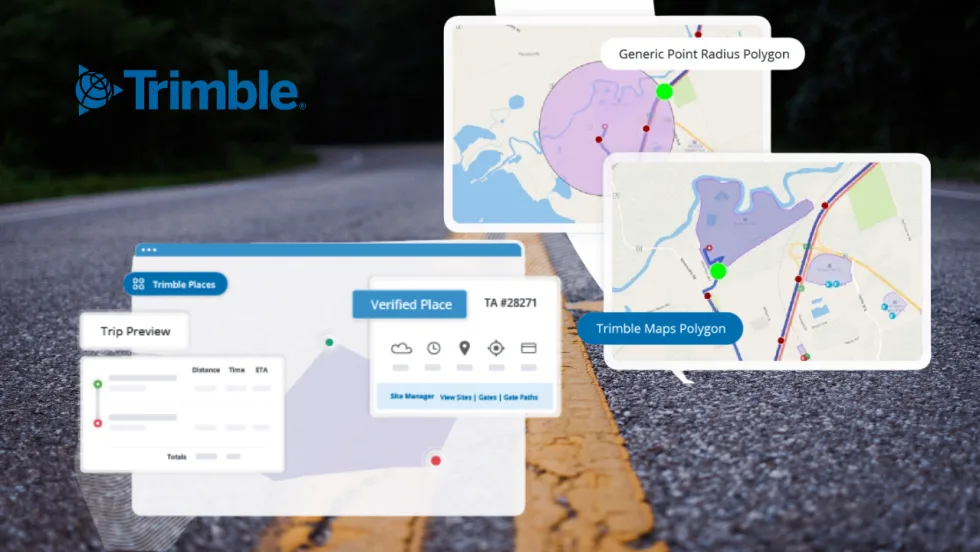
Trimble to Add Hotel Booking Capabilities to Fleet Products Through Engine Partnership
Trimble is adding hotel-booking capabilities to its fleet tools, helping drivers and small fleets find lodging faster during trips and breakdowns.
Read More →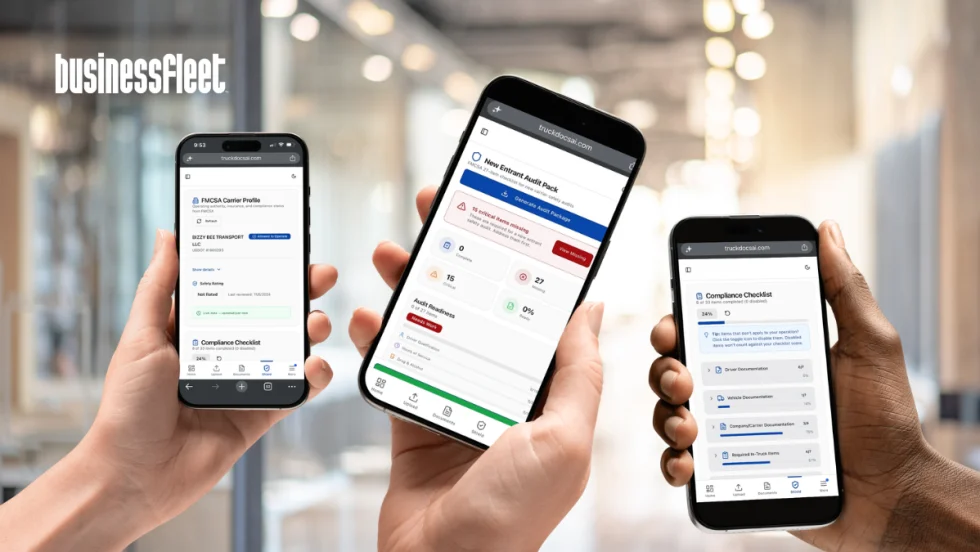
TruckDocsAI Launches AI-Powered Compliance Platform for Owner-Operators and Small Fleets
Can AI simplify DOT compliance? TruckDocsAI launches a new platform for owner-operators and small fleets facing audit pressures.
Read More →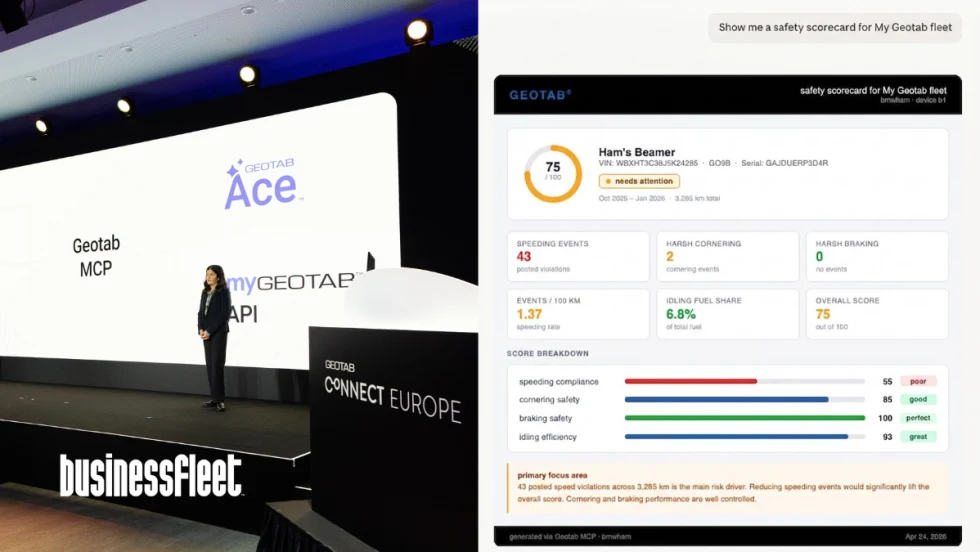
Geotab Says Fleet AI Success Depends More on Data Than the AI Model Itself
Geotab's new AI connector links fleet data with ChatGPT and other platforms, helping organizations turn AI investments into business results.
Read More →