



Keep Learning: Safety Is Usually the First Priority… Until the Day Gets Busy
Small Fleets Lag in Telematics Coverage as Industry Moves Beyond Adoption
SambaSafety’s 2026 Telematics Report finds fleets with 10 or fewer vehicles monitor a much smaller share of their vehicles than larger operations, as the industry shifts its focus from collecting data to using it.
October 1, 2026
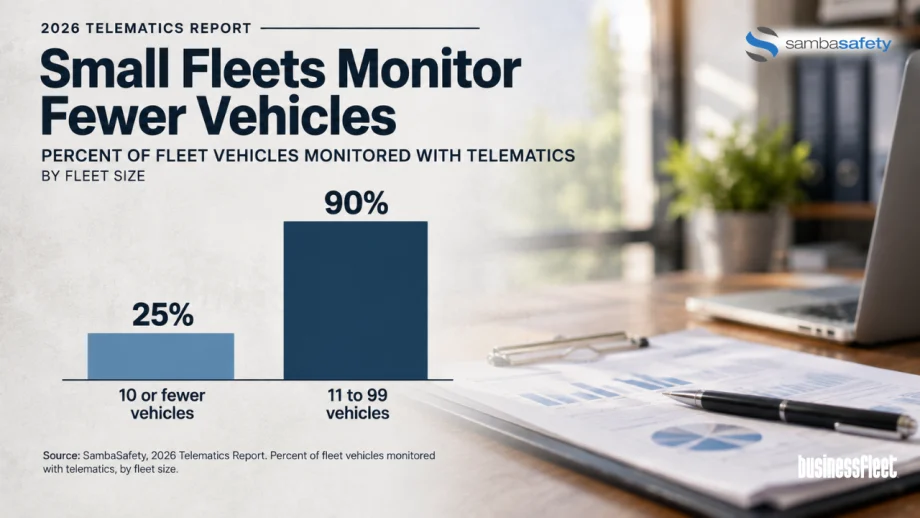
The smallest fleets show a significant telematics coverage gap. Fleets with 10 or fewer vehicles monitor about 25% of their vehicles on average, compared with 90% for fleets with 11 to 99 vehicles, according to SambaSafety’s 2026 Telematics Report
Credit:
SambaSafety | Business Fleet
3 min to read
Telematics may be standard equipment for much of the fleet industry, but the picture looks different for the smallest operations.
Nearly 90% of fleets surveyed for SambaSafety’s 2026 Telematics Report use telematics. Yet fleets with 10 or fewer vehicles monitor only about 25% of their vehicles on average, according to the report. By comparison, fleets with 11 to 99 vehicles monitor about 90% of their operations.
That difference could be particularly relevant for small businesses managing a handful of company vehicles alongside everything else involved in running an operation.
The report found the typical fleet monitors 90% of its vehicles, while the average across telematics adopters is closer to 70%. SambaSafety said that difference reflects fleets being at different stages of deployment, with some still testing devices before expanding their programs.
The Challenge Is Becoming What to Do With the Data
Across fleets of all sizes, telematics adoption appears to be reaching maturity. Forty-six percent of fleet respondents have used telematics for at least six years, while only 5% adopted it during the past year.
The bigger challenge now is turning the information into something useful.
More than half of fleets, 53%, said interpreting or acting on their telematics data is a top challenge. Other issues included linking drivers to their data at 52%, manually manipulating data for reporting at 47%, and concerns about data accuracy at 39%.
Despite those challenges, fleets are putting telematics to work beyond basic vehicle tracking. Improving safety was cited by 83% of fleets as a telematics use case, followed by asset tracking at 74% and increasing operational efficiency at 45%. The average fleet now uses telematics for five different purposes.
Telematics Data Could Also Enter the Insurance Conversation
The report also points to a growing connection between fleet data and commercial auto insurance.
Thirty-five percent of fleet respondents said they share telematics data with an insurer or broker, up five percentage points from 2025. Better rates or pricing and help managing risk were among the primary reasons fleets reported sharing their data.
For fleets that are not sharing, the barrier often isn't distrust. Sixty-four percent said they had never been asked by an insurer or broker, while 31% said they did not see enough benefit from sharing.
Financial incentives could change that calculation. Sixty percent of fleets said a lower premium would make them willing to share telematics data, while 53% cited a lower deductible.
The findings suggest that for small businesses, the next telematics question may be less about whether to install the technology and more about how much of the operation it covers, what the business is doing with the information, and whether that data can deliver value beyond knowing where a vehicle is.
More Safety
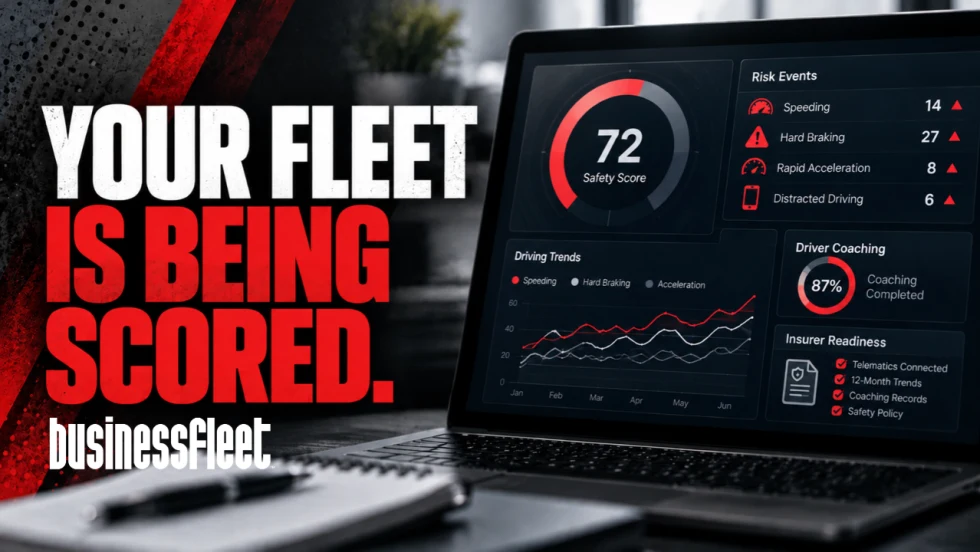
How Technology Can Help Fleet Owners Improve Insurability
Your fleet's telematics data could be the difference between getting insurance coverage and facing higher premiums or non-renewal. Here's what insurers are looking for and how fleets can use that data to make a stronger case at renewal.
Read More →
Back-to-School Traffic Is Not the Risk Fleets Think It Is
Back-to-school traffic does not always mean more crashes. New Empiric Earth data shows why fleets should focus on when and where risk changes.
Read More →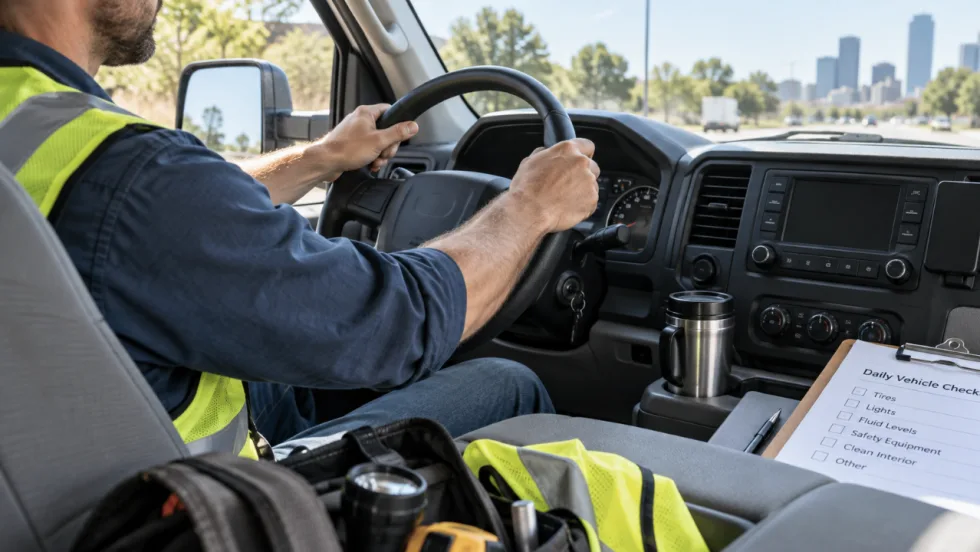
Small Fleet, Big Exposure: How to Reduce Workers’ Comp Risks
For small fleets, one crash can trigger far more than vehicle damage. Here’s how stronger driver safety policies, training, maintenance, and technology can help reduce workers’ comp exposure.
Read More →
Who Makes the Call When Winter Weather Gets Dangerous?
Winter weather can quickly change a small fleet’s plans. Knowing when to reroute, delay, or stop can matter just as much as preparing the vehicles themselves.
Read More →
API Issues Refueling Safety Guidelines
The American Petroleum Institute offers a list of safe vehicle refueling guidelines, including ways to avoid potential problems with static electricity discharges in fall, winter, and early spring.
Read More →
Winter Fleet Prep: Expert Tips to Keep Vehicles Running Smoothly
Cold weather can expose weak batteries, tires, fuel systems, and maintenance gaps fast. Use this winter fleet checklist to prepare trucks and drivers before temperatures drop.
Read More →
8 ADAS Maintenance Tips for Small Business Fleets From Bendix
A dirty camera, bad alignment, or one loose connection could quietly knock your fleet’s ADAS offline. Here’s what Bendix says to check.
Read More →
Developing Budget-Friendly Driver Safety Programs
From driver training and safety meetings to one-on-one coaching and incentive programs, several small fleets share how they have developed a safety culture with their drivers using low- to no-cost resources.
Read More →
A 20-Minute Safety Check for Small Fleets Before Operation Safe Driver Week
No safety department? No problem. Here's a practical checklist small fleet managers can use before Operation Safe Driver Week begins.
Read More →
Why Small Fleets Keep Getting Tripped Up by ELD Compliance
Roadcheck revealed a hard truth: most ELD violations aren't intentional. They're caused by small mistakes that can cost fleets time, money, and trust.
Read More →