


Small Fleet, Big Exposure: How to Reduce Workers’ Comp Risks
How Technology Can Help Fleet Owners Improve Insurability
Your fleet's telematics data could be the difference between getting insurance coverage and facing higher premiums or non-renewal. Here's what insurers are looking for and how fleets can use that data to make a stronger case at renewal.
by Sarb Gill, All Solutions Insurance
October 20, 2026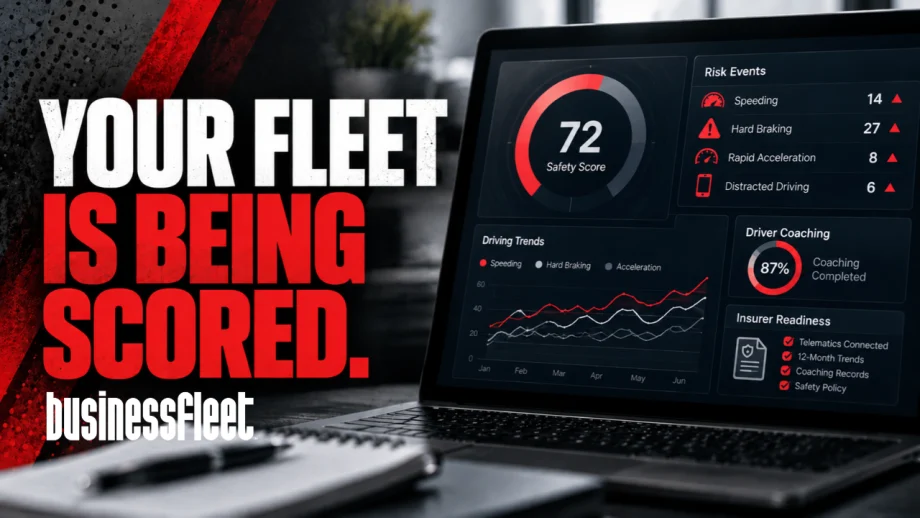
Insurers are increasingly using telematics data to evaluate fleet risk, looking beyond claims history to assess driving behaviors, safety trends, and driver coaching efforts. Fleets that can demonstrate measurable safety improvements may be better positioned when it's time to renew coverage.
Credit:
Business Fleet | Edited with OpenAI. Please refer to our terms of use.
5 min to read
What separates an "insurable" fleet from one that isn’t? Often, it’s how the fleet uses on-board technology to improve driver safety.
Roughly 9 in 10 carriers with which we work at All Solutions Insurance now use telematics data to assess insurability. Some carriers offer premium discounts for connecting telematics and AI-powered dashcams. Others add a surcharge for fleets that don’t connect their Electronic Logging Devices (ELD) and dashcams to their insurer. Very few underwrite strictly based on losses and driver criteria.
For these reasons, fleets that use technology and act on the data collected stand the best chance of maintaining their insurability. Fleets that don’t use these tools run the risk of higher premiums, worse terms and non-renewal.
Top Risk Considerations for Underwriters
When reviewing telematics data, underwriters look at 12-month trends, focusing on hard braking and speeding, two of the strongest indicators of crashes. When data show a steady decrease in those behaviors per 1,000 miles and a high completion rate of driver coaching sessions tied to flagged events, the fleet is typically more attractive for an insurer. Conversely, rising hard braking and speeding events, coupled with unresolved coaching alerts, make a fleet less attractive.
Other red flags underwriters look for include signs that telematics units are being disconnected or disabled, spikes in poor driving behaviors triggered by a wave of new hires, a lack of standard, documented driver onboarding procedures and poor claims history with no discernible improvement.
Telematics Is Just the Start
Along with reviewing telematics data, underwriters are also looking at how fleets integrate other on-board technologies into their driver safety programs.
Tools such as GPS tracking and telematics are table stakes. So are front-facing cameras, which track following distance and provide evidence that could exonerate a driver in a disputed or staged incident.
Emerging technologies include AI-powered dashcams and driver-facing cameras that use computer vision to detect distraction and drowsiness. Nearly three-quarters (74%) of fleets that use AI-powered video telematics report improved driver safety, according to Verizon’s 2026 Fleet Technology Trends Report.
Other newer innovations include live coaching tools that deliver in-the-moment guidance to drivers on the road and predictive modeling software that analyzes driving history, vehicle diagnostics and other data to help fleet owners spot potential issues.
A best-in-class fleet from an insurance perspective will include a bundle of these technologies. Such a package might include telematics to monitor driving behavior and Hours of Service (HOS) compliance, dual-facing AI dashcams, and a structured driver coaching and gamification program, with all tools reporting data to dashboards that fleet owners can share with insurers at renewal time.
Make the Right Bets on Safety Technology
Large fleets might have the budget to implement numerous on-board safety technologies, but small-to-midsize fleets need to be choosier. Key items for consideration include:
- Total cost of ownership. Weigh per-vehicle subscription fees and installation costs against the potential claims and premium savings.
- Integration. Any on-board technology a fleet implements should integrate fully with Electronic Logging Devices (ELDs), maintenance and dispatch.
- Data portability. Look for systems that let fleet owners export their data and share it directly with a carrier or new vendor.
- Data overload. While telematics use is widespread, roughly 45% of small fleets and 42% of mid-sized fleets say their systems collect too much information without clear direction on how to use it, according to a survey from Northland Insurance, a division of Travelers. To avoid feeling overwhelmed, focus on acting on one or two data points, such as hard braking and speeding.
- Driver acceptance. On-board safety technologies work best when they are paired with positive reinforcement. In the Northland Insurance survey, 61% of small fleets listed driver recognition programs as the most effective tool for building a safety-first culture.
Address Safety Risks and Improve Insurability
To remain insurable, fleets must demonstrate how they translate data into improved safety. Fleets should turn the data they collect into personalized coaching.
A spike in hard braking events should be followed by defensive driver training and coaching on maintaining a proper following distance. Upticks in speeding events may indicate scheduling pressures, triggering a review of routes and timelines. Alerts about driver fatigue should trigger a review of HOS to ensure compliance.
Fleets should also establish documented policies on phone use, device tampering, and distracted-driving prevention and offer ongoing training to drivers. Best-in-class fleets will also follow thorough driver screening practices, including pulling Motor Vehicle Records, conducting road tests, performing background checks and hiring only experienced drivers whenever possible.
Make a Data-Driven Case at Renewal
Fleet owners should start planning for a renewal conversation with their insurance agent or broker 90 to 120 days in advance. Prepare by pulling telematics and loss trend reports and identifying the two or three riskiest behaviors.
Then create a 12-month trend review of key metrics. Document coaching sessions tied to flagged events and completion rates. Aim to show a before-and-after comparison so an agent can demonstrate to underwriters how a specific intervention improved safety.
Consider adding a short, written summary from a safety or operations manager, along with the fleet’s written safety policy and any training certifications. This packet of information will give an insurer documented proof that a culture of safety exists within the organization.
A Safe Fleet Is an Insurable Fleet
Some factors that have driven up premiums over the past few years, such as nuclear verdicts and higher repair costs, are outside a fleet’s control. But every fleet owner, regardless of fleet size, can improve driver safety. Those who combine on-board technology with driver safety policies and show ongoing improvement stand the best chance of maintaining lower premiums and retaining their insurability.

Credit:
All Solutions Insurance | Business Fleet
More Safety
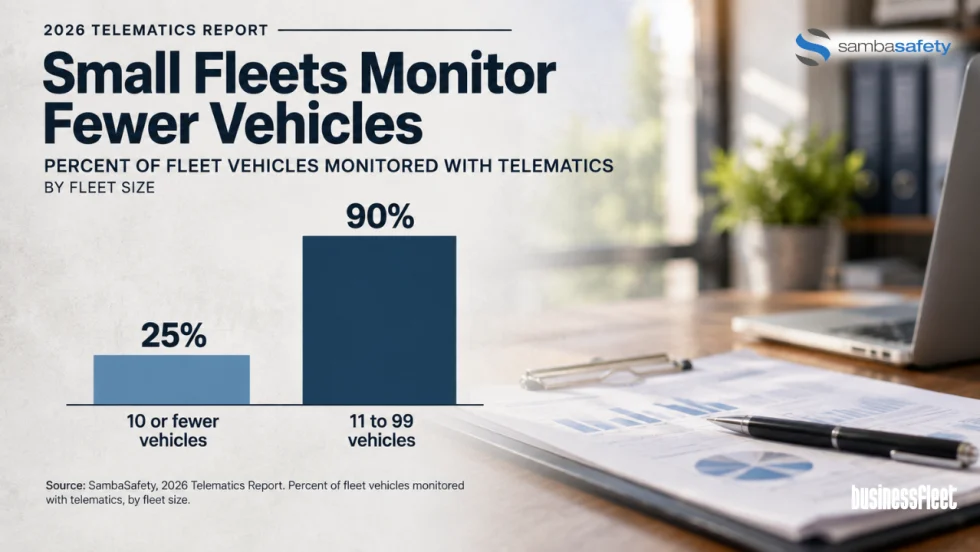
Small Fleets Lag in Telematics Coverage as Industry Moves Beyond Adoption
SambaSafety’s 2026 Telematics Report finds fleets with 10 or fewer vehicles monitor a much smaller share of their vehicles than larger operations, as the industry shifts its focus from collecting data to using it.
Read More →
Back-to-School Traffic Is Not the Risk Fleets Think It Is
Back-to-school traffic does not always mean more crashes. New Empiric Earth data shows why fleets should focus on when and where risk changes.
Read More →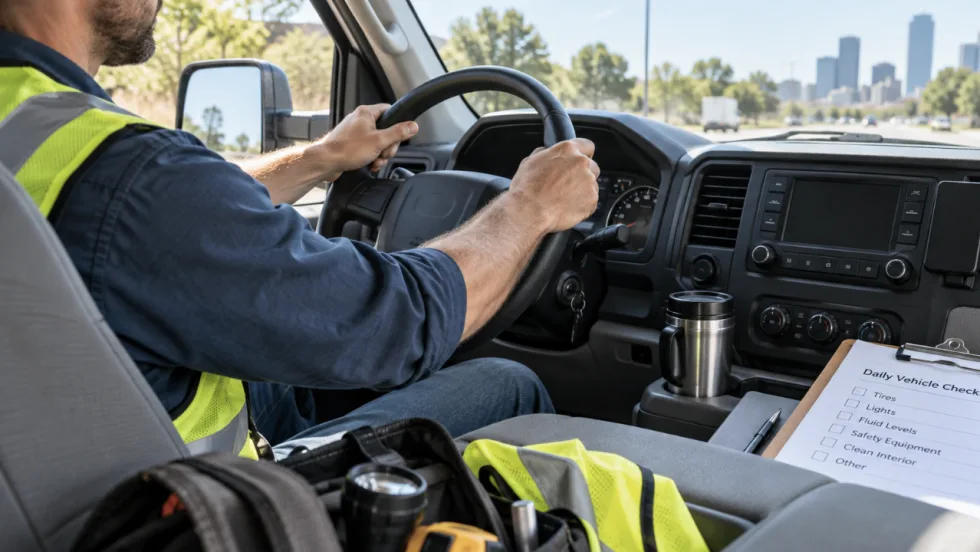
Small Fleet, Big Exposure: How to Reduce Workers’ Comp Risks
For small fleets, one crash can trigger far more than vehicle damage. Here’s how stronger driver safety policies, training, maintenance, and technology can help reduce workers’ comp exposure.
Read More →
Who Makes the Call When Winter Weather Gets Dangerous?
Winter weather can quickly change a small fleet’s plans. Knowing when to reroute, delay, or stop can matter just as much as preparing the vehicles themselves.
Read More →
API Issues Refueling Safety Guidelines
The American Petroleum Institute offers a list of safe vehicle refueling guidelines, including ways to avoid potential problems with static electricity discharges in fall, winter, and early spring.
Read More →
Winter Fleet Prep: Expert Tips to Keep Vehicles Running Smoothly
Cold weather can expose weak batteries, tires, fuel systems, and maintenance gaps fast. Use this winter fleet checklist to prepare trucks and drivers before temperatures drop.
Read More →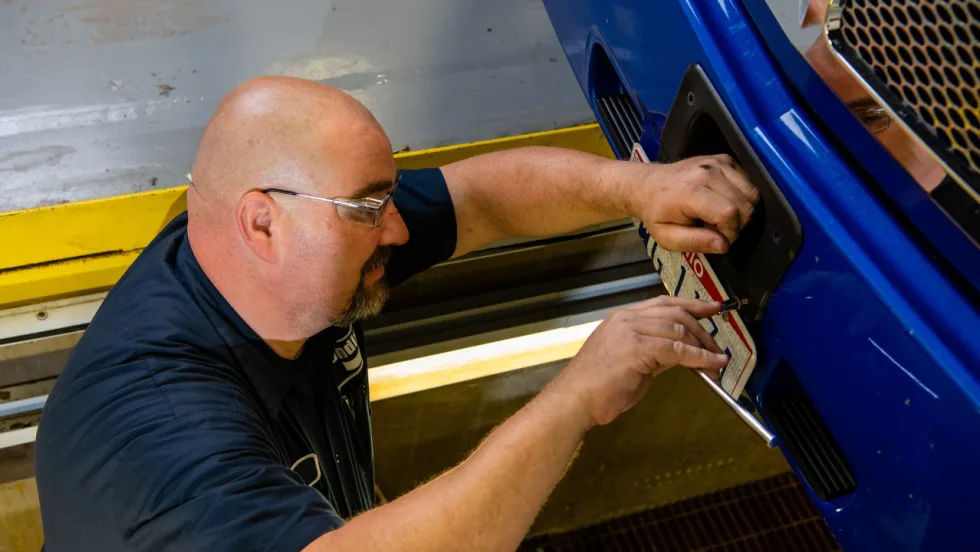
8 ADAS Maintenance Tips for Small Business Fleets From Bendix
A dirty camera, bad alignment, or one loose connection could quietly knock your fleet’s ADAS offline. Here’s what Bendix says to check.
Read More →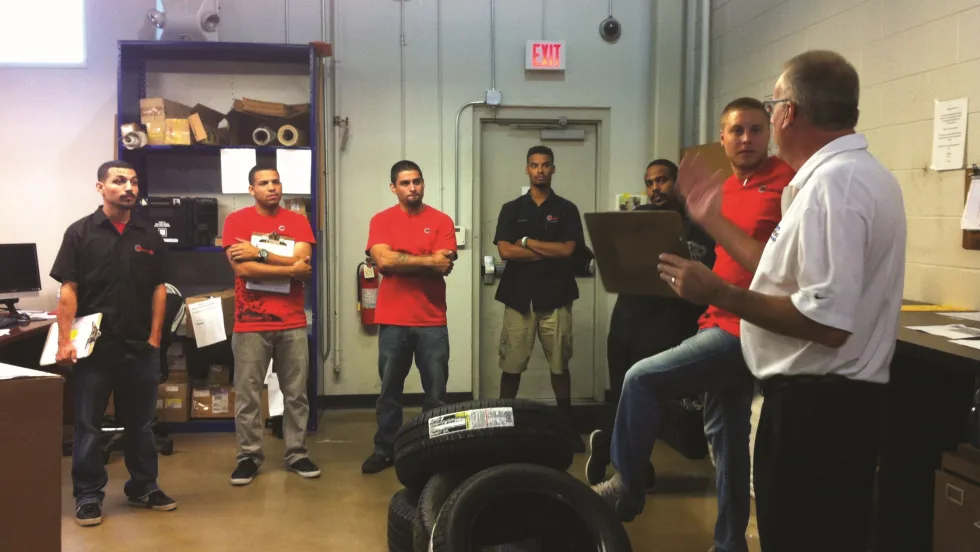
Developing Budget-Friendly Driver Safety Programs
From driver training and safety meetings to one-on-one coaching and incentive programs, several small fleets share how they have developed a safety culture with their drivers using low- to no-cost resources.
Read More →
A 20-Minute Safety Check for Small Fleets Before Operation Safe Driver Week
No safety department? No problem. Here's a practical checklist small fleet managers can use before Operation Safe Driver Week begins.
Read More →
Why Small Fleets Keep Getting Tripped Up by ELD Compliance
Roadcheck revealed a hard truth: most ELD violations aren't intentional. They're caused by small mistakes that can cost fleets time, money, and trust.
Read More →Subscribe to Our Newsletter