



Keep Reading: Small Fleet, Big Exposure: How to Reduce Workers’ Comp Risks
Mercedes Benz Tests CLA Occupant and Battery Protection in Side Impact Crash
Two CLA sedans traveling at 35 mph were used in a Mercedes-Benz crash test examining occupant protection and electric vehicle battery safety.
October 23, 2026

Mercedes-Benz collected readings from eight crash-test dummies across the two CLA sedans. According to the automaker, all readings remained below relevant biomechanical limits, indicating a low risk of serious or life-threatening injuries in this test.
Credit:
Mercedes-Benz
2 min to read
Mercedes-Benz conducted a side-impact crash test involving two moving CLA sedans to evaluate passenger protection and high-voltage battery integrity in a severe intersection collision.
In the test, a CLA with an electrified internal combustion engine struck the driver’s side of an all-electric CLA. Both vehicles were traveling at 35 mph, weighed more than 4,000 pounds, and entered the collision without braking, according to the automaker.
Passenger Compartments and Battery Remained Intact
Mercedes-Benz reported that the passenger compartments of both vehicles remained intact. The all-electric CLA’s high-voltage battery, housed in the underbody, also remained intact and undamaged despite the side impact.
The vehicles carried eight crash-test dummies representing four adults and four children. According to Mercedes-Benz, readings from all eight remained below the relevant biomechanical limits used to assess occupant protection, indicating a low risk of serious or life-threatening injuries in this test.
The company collected data from up to 150 measurement points per dummy to evaluate how the vehicles’ safety systems performed.
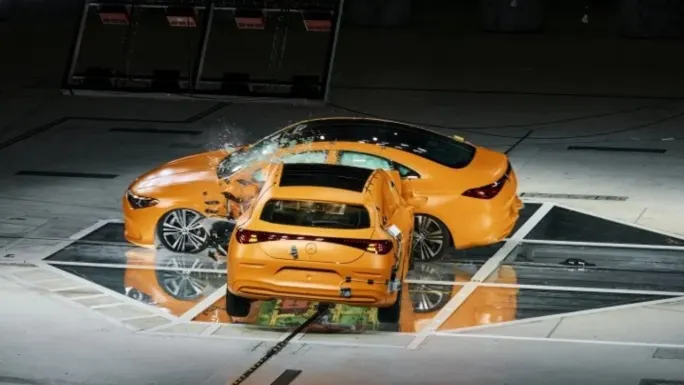
Mercedes-Benz tested two CLA sedans traveling at 35 mph in a side-impact collision without prior braking. The automaker reported that both passenger compartments and the all-electric CLA’s high-voltage battery remained intact.
Credit:
Mercedes-Benz
Testing a Severe Intersection Collision
Side-impact collisions leave less space to absorb crash energy than frontal impacts, placing particular demands on the passenger compartment and, in electric vehicles, the underbody battery.
Mercedes-Benz said its accident research places the test’s 35-mph speed for both vehicles at the upper end of comparable real-world intersection collisions. The company selected the scenario to examine protection under particularly challenging conditions.
The automaker said the test went beyond standard side-impact testing by using two moving production vehicles. It described the demonstration as the world’s first public high-speed side-impact crash test conducted in this configuration.
Crash Protection and Collision Prevention
The demonstration evaluated how the vehicles protected occupants during a collision. Mercedes-Benz said the CLA’s driver assistance systems are designed to help prevent this type of crash or reduce its severity in everyday driving, but the test was deliberately conducted without prior braking.
The company said its vehicle development process includes approximately 15,000 crash simulations and 150 physical crash tests for each new model. Findings from its real-world accident research also inform vehicle structures, restraint systems, and internal testing requirements.
More Safety
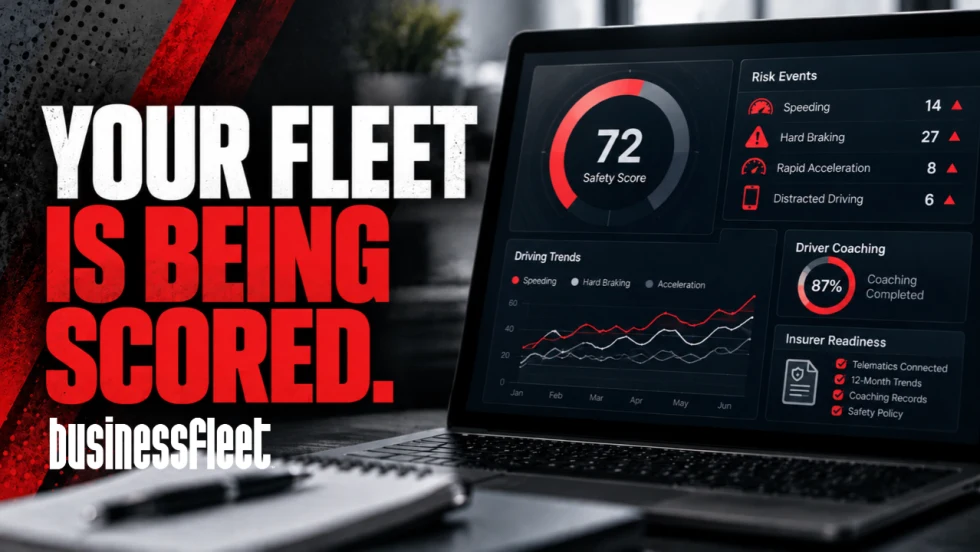
How Technology Can Help Fleet Owners Improve Insurability
Your fleet's telematics data could be the difference between getting insurance coverage and facing higher premiums or non-renewal. Here's what insurers are looking for and how fleets can use that data to make a stronger case at renewal.
Read More →
Small Fleets Lag in Telematics Coverage as Industry Moves Beyond Adoption
SambaSafety’s 2026 Telematics Report finds fleets with 10 or fewer vehicles monitor a much smaller share of their vehicles than larger operations, as the industry shifts its focus from collecting data to using it.
Read More →
Back-to-School Traffic Is Not the Risk Fleets Think It Is
Back-to-school traffic does not always mean more crashes. New Empiric Earth data shows why fleets should focus on when and where risk changes.
Read More →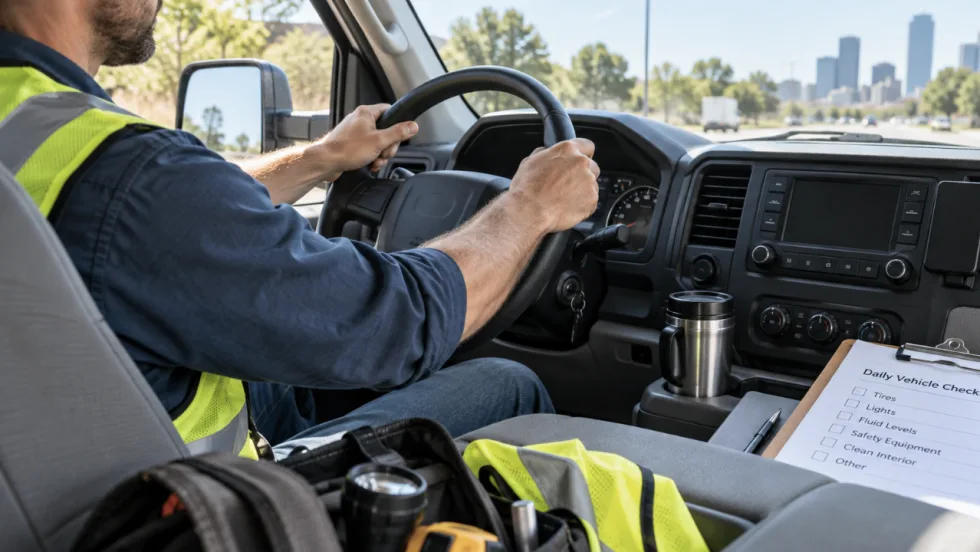
Small Fleet, Big Exposure: How to Reduce Workers’ Comp Risks
For small fleets, one crash can trigger far more than vehicle damage. Here’s how stronger driver safety policies, training, maintenance, and technology can help reduce workers’ comp exposure.
Read More →
Who Makes the Call When Winter Weather Gets Dangerous?
Winter weather can quickly change a small fleet’s plans. Knowing when to reroute, delay, or stop can matter just as much as preparing the vehicles themselves.
Read More →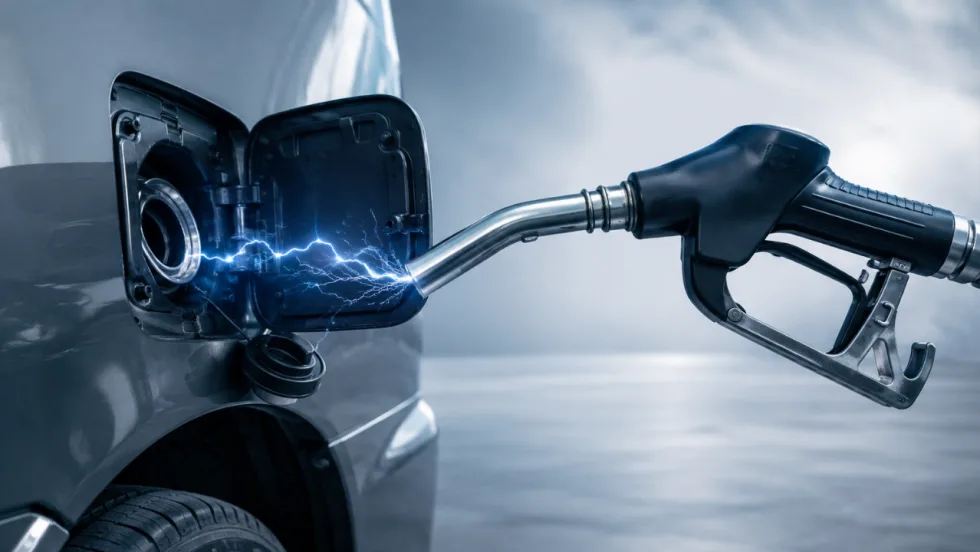
API Issues Refueling Safety Guidelines
The American Petroleum Institute offers a list of safe vehicle refueling guidelines, including ways to avoid potential problems with static electricity discharges in fall, winter, and early spring.
Read More →
Winter Fleet Prep: Expert Tips to Keep Vehicles Running Smoothly
Cold weather can expose weak batteries, tires, fuel systems, and maintenance gaps fast. Use this winter fleet checklist to prepare trucks and drivers before temperatures drop.
Read More →
8 ADAS Maintenance Tips for Small Business Fleets From Bendix
A dirty camera, bad alignment, or one loose connection could quietly knock your fleet’s ADAS offline. Here’s what Bendix says to check.
Read More →
Developing Budget-Friendly Driver Safety Programs
From driver training and safety meetings to one-on-one coaching and incentive programs, several small fleets share how they have developed a safety culture with their drivers using low- to no-cost resources.
Read More →
A 20-Minute Safety Check for Small Fleets Before Operation Safe Driver Week
No safety department? No problem. Here's a practical checklist small fleet managers can use before Operation Safe Driver Week begins.
Read More →