


5 Safe Driving Tips for 4th of July
To ensure that this year’s fireworks remain in the sky and not on the roadway, follow these five easy steps to remain safe on the road this year – shared directly from a truck driver.

Stay safe while driving with these tips from a former truck driver on the 4th of July holiday weekend.
Business Fleet | Work Truck
Millions of Americans will hit the road over the July Fourth holiday weekend, making it one of the busiest travel periods of the year. With more vehicles sharing the road, it's a good time to revisit some simple safety habits, especially when driving near commercial trucks.
To help travelers arrive safely at their destinations, Zonar Systems shared five practical tips from professional truck driver Devon Anderson of DC Anderson Company.
1. Stay out of the "No Zones"
Large trucks have significant blind spots on all four sides, particularly along the passenger side, directly behind the trailer, and immediately in front of the cab. If you can't see the driver's face in their side mirror, there's a good chance they can't see you.
Remaining visible and avoiding extended periods in these blind spots reduces the risk of sideswipe and lane-change collisions.
2. Pass Vehicles Safely
Passing a commercial truck requires patience and clear communication. Always use your turn signal, pass on the left whenever possible, and avoid lingering alongside the trailer. Once you've safely passed, make sure you can see the entire front of the truck in your rearview mirror before moving back into the lane.
Giving truck drivers predictable cues helps everyone make safer decisions.
3. Don't Cut Off Other Drivers
A fully loaded tractor-trailer can weigh tens of thousands of pounds and requires a much longer stopping distance than a passenger vehicle. Cutting in front of a truck and immediately slowing down can leave the driver with little time to react.
Leaving adequate space before changing lanes helps prevent rear-end crashes and gives truck drivers the room they need to stop safely.
4. Give Trucks Plenty of Space
Tailgating is dangerous behind any vehicle, but especially behind a large truck. Following too closely limits your visibility and reduces reaction time if traffic suddenly slows.
It's also important to remember that trucks often need extra room to complete wide turns. Giving commercial vehicles additional space can help avoid unexpected conflicts on busy roadways.
5. Be Mindful of Peak Accident Times
The original guidance suggested limiting travel during periods when crashes are more common, particularly before noon and during the late-afternoon and early-evening commute. While not everyone can avoid driving during these times, being aware of heavier traffic volumes, distracted drivers, and holiday congestion can help motorists stay alert and plan accordingly.
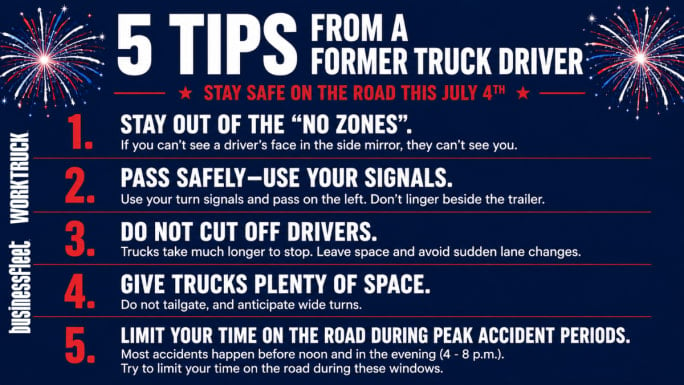
Five road safety reminders from a professional truck driver highlight simple ways motorists can safely share the road with commercial trucks during the busy July Fourth travel period. Share with your team!
Work Truck | Business Fleet
The Bottom Line
Sharing the road safely comes down to visibility, communication, patience, and space. These simple habits can help reduce stress for both truck drivers and passenger vehicle drivers while making holiday travel safer for everyone.
Editor's Note: These holiday safety tips were originally shared by Zonar Systems in 2018 and attributed to professional truck driver Devon Anderson of DC Anderson Company. While vehicle technology has advanced over the past several years, the fundamentals of safe driving around commercial trucks remain just as relevant today. Whether you're heading out for a July Fourth celebration or embarking on a summer road trip, these reminders can help keep everyone safer on the road.
Originally posted on Work Truck Online
More Safety
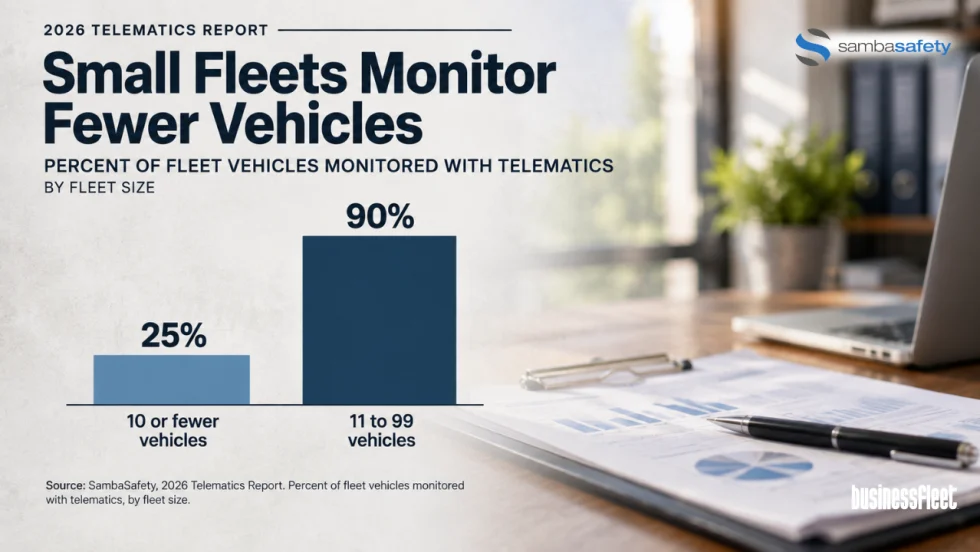
Small Fleets Lag in Telematics Coverage as Industry Moves Beyond Adoption
SambaSafety’s 2026 Telematics Report finds fleets with 10 or fewer vehicles monitor a much smaller share of their vehicles than larger operations, as the industry shifts its focus from collecting data to using it.
Read More →
Back-to-School Traffic Is Not the Risk Fleets Think It Is
Back-to-school traffic does not always mean more crashes. New Empiric Earth data shows why fleets should focus on when and where risk changes.
Read More →
Small Fleet, Big Exposure: How to Reduce Workers’ Comp Risks
For small fleets, one crash can trigger far more than vehicle damage. Here’s how stronger driver safety policies, training, maintenance, and technology can help reduce workers’ comp exposure.
Read More →
Who Makes the Call When Winter Weather Gets Dangerous?
Winter weather can quickly change a small fleet’s plans. Knowing when to reroute, delay, or stop can matter just as much as preparing the vehicles themselves.
Read More →
API Issues Refueling Safety Guidelines
The American Petroleum Institute offers a list of safe vehicle refueling guidelines, including ways to avoid potential problems with static electricity discharges in fall, winter, and early spring.
Read More →
Winter Fleet Prep: Expert Tips to Keep Vehicles Running Smoothly
Cold weather can expose weak batteries, tires, fuel systems, and maintenance gaps fast. Use this winter fleet checklist to prepare trucks and drivers before temperatures drop.
Read More →
8 ADAS Maintenance Tips for Small Business Fleets From Bendix
A dirty camera, bad alignment, or one loose connection could quietly knock your fleet’s ADAS offline. Here’s what Bendix says to check.
Read More →
Developing Budget-Friendly Driver Safety Programs
From driver training and safety meetings to one-on-one coaching and incentive programs, several small fleets share how they have developed a safety culture with their drivers using low- to no-cost resources.
Read More →
A 20-Minute Safety Check for Small Fleets Before Operation Safe Driver Week
No safety department? No problem. Here's a practical checklist small fleet managers can use before Operation Safe Driver Week begins.
Read More →
Why Small Fleets Keep Getting Tripped Up by ELD Compliance
Roadcheck revealed a hard truth: most ELD violations aren't intentional. They're caused by small mistakes that can cost fleets time, money, and trust.
Read More →