



Keep Learning - Wearing Every Hat: What It Really Means to Manage a Small Fleet
8 ADAS Maintenance Tips for Small Business Fleets From Bendix
A dirty camera, bad alignment, or one loose connection could quietly knock your fleet’s ADAS offline. Here’s what Bendix says to check.
July 15, 2026
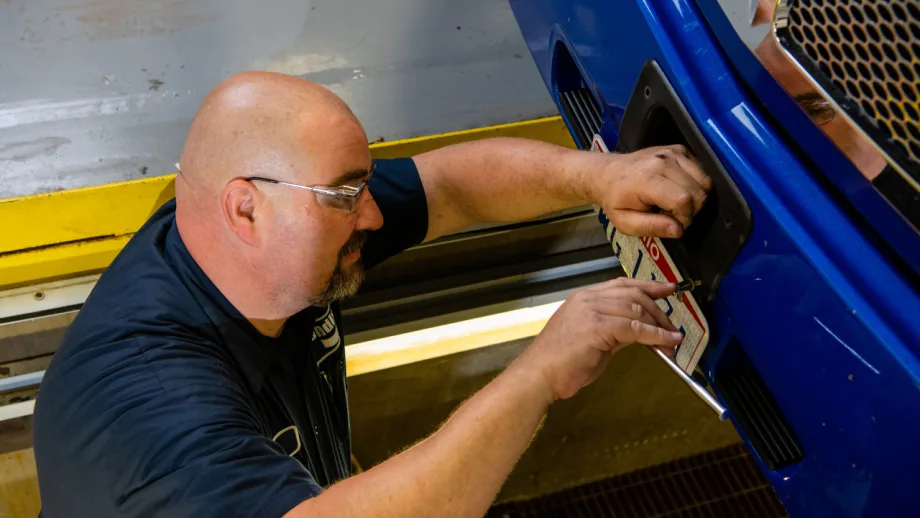
Front-end repairs, collisions, or even a damaged mounting bracket can knock an ADAS radar sensor out of alignment. Bendix recommends having the sensor and its mounting hardware inspected and recalibrated by a trained technician.
Credit:
Bendix
5 min to read
Advanced driver assistance systems can help improve vehicle safety, but only when the cameras, radar, sensors, and supporting systems are working properly.
For a small business fleet, even one vehicle sidelined by a warning light or system fault can disrupt schedules and increase repair costs. Bendix shared the following maintenance tips to help fleet operators identify common issues and keep ADAS technologies performing as intended.
1. Do Not Ignore ABS or Stability Control Warnings
According to Bendix, many ADAS technologies rely on the vehicle’s antilock braking system and electronic stability control system. If either system has a fault, some driver assistance features may become unavailable.
Bendix notes that wheel-speed sensors can be affected by damaged wiring, rubbing or chafing along the chassis harness, or service performed near the wheel end. A sensor may also stop working if it is no longer positioned close enough to the tone ring.
Small fleets should ask technicians to inspect wheel-speed sensors and surrounding wiring during routine brake and wheel-end service.
2. Recalibrate After Front-End Work
Bendix advises fleets to confirm that the steering angle sensor has been recalibrated after a front-end alignment, steering repair, or other front-end work.
A sensor that falls out of calibration may trigger a stability control fault or prevent the system from operating properly.
3. Check Sensors After Chassis Modifications
Some stability control systems use a lateral acceleration or yaw rate sensor mounted to the chassis or frame rail.
Bendix warns that if this sensor is moved during body installation, upfitting, framework, or another chassis modification, it must be returned to the correct position and orientation. Incorrect placement may result in a stability control fault.
This is especially important for work trucks that receive bodies, racks, equipment, or other aftermarket modifications.
4. Restart the Vehicle Before Assuming the Worst
Road conditions, terrain, or temporary communication issues can sometimes trigger a diagnostic trouble code, according to Bendix.
When the vehicle is safely parked off the road, Bendix recommends turning the ignition off and restarting the vehicle. A simple key cycle may clear a temporary fault.
If the warning returns after restarting, the vehicle should be inspected by a qualified repair facility.
5. Inspect the Radar and Its Mounting Bracket
Bendix notes that radar sensors are commonly mounted at the front of the vehicle, making them vulnerable to collisions, road debris, weather, and improper installation after repairs.
Fleets should check the radar sensor, mounting bracket, and chassis mounting surface for visible damage. A bent bracket or loose mounting point can cause the radar to point in the wrong direction.
Bendix recommends having radar alignment evaluated and corrected by a trained technician using the service procedure for the specific system.
6. Protect Radar Connections From Corrosion
Because radar connectors can be exposed to water, road salt, sand, deicing chemicals, and other contaminants, Bendix recommends checking that each connector is covered, sealed, and secured.
Catching a loose or damaged connection early may help prevent corrosion and communication problems.
Bendix also notes that a radar may temporarily report that it cannot properly detect its surroundings. This can happen on long stretches of open highway where there are few vehicles or other objects for the radar to detect. Restarting the vehicle may reset the system, but repeated warnings should be evaluated by a trained technician.
7. Keep the Camera and Windshield Clear
According to Bendix, camera problems may be caused by damaged wiring, improper placement, or an obstruction in the camera’s view.
Fleets should check for:
- Dirt, bugs, stickers, tape, or other objects blocking the camera
- Frayed, cut, or improperly repaired wiring
- Loose or disconnected plugs
- Fog, glare, or other temporary visibility issues
If the windshield has been replaced, Bendix advises confirming that the camera was installed with the correct bracket and returned to the original manufacturer’s mounting location. The camera may also require calibration after windshield replacement.
8. Be Careful With Aftermarket Electronics
Bendix cautions that aftermarket equipment connected to the vehicle’s J1939 datalink network can cause communication problems when installed incorrectly or when incompatible with the vehicle.
When an electronic component stops communicating, Bendix recommends inspecting the connectors and chassis wiring before replacing parts. A wire rubbing against metal can create a short or open circuit that prevents technicians from connecting to the component for diagnostics.
If the engine electronic control module is replaced, the replacement must be correct for the specific truck. Bendix notes that some stability control systems require the correct vehicle identification number and vehicle-specific parameters to operate properly.
Give Drivers and Technicians the Right Information
Bendix recommends that drivers understand what each ADAS alert means, how the system normally operates, and its limitations. Every driver should review the operator’s manual and receive training on the systems installed in the vehicle.
Small fleets should also ensure their repair provider has diagnostic equipment capable of reading fault codes from the entire vehicle, not just the engine. Bendix systems can be diagnosed using Bendix ACom AE software.
Technician training should also match the specific systems installed on the fleet’s vehicles. ADAS technologies can vary by manufacturer, model, and vehicle configuration, so one repair procedure may not apply to every truck.
Bendix emphasizes that advanced driver assistance systems are designed to support safe driving practices, not replace a skilled and alert driver. Drivers remain responsible for safely operating the vehicle and should never wait for a safety system to intervene.
These tips apply specifically to Bendix advanced driver assistance systems and may not apply to systems from other manufacturers. Fleets should consult the service information and operator’s manual for each vehicle and system.
Quick Answers
Maintaining ADAS is crucial as it ensures the safety and efficiency of fleet operations by preventing system failures that could lead to accidents or downtime.
*Summarized by AI
More Safety

Mercedes Benz Tests CLA Occupant and Battery Protection in Side Impact Crash
Two CLA sedans traveling at 35 mph were used in a Mercedes-Benz crash test examining occupant protection and electric vehicle battery safety.
Read More →
How Technology Can Help Fleet Owners Improve Insurability
Your fleet's telematics data could be the difference between getting insurance coverage and facing higher premiums or non-renewal. Here's what insurers are looking for and how fleets can use that data to make a stronger case at renewal.
Read More →
Small Fleets Lag in Telematics Coverage as Industry Moves Beyond Adoption
SambaSafety’s 2026 Telematics Report finds fleets with 10 or fewer vehicles monitor a much smaller share of their vehicles than larger operations, as the industry shifts its focus from collecting data to using it.
Read More →
Back-to-School Traffic Is Not the Risk Fleets Think It Is
Back-to-school traffic does not always mean more crashes. New Empiric Earth data shows why fleets should focus on when and where risk changes.
Read More →
Small Fleet, Big Exposure: How to Reduce Workers’ Comp Risks
For small fleets, one crash can trigger far more than vehicle damage. Here’s how stronger driver safety policies, training, maintenance, and technology can help reduce workers’ comp exposure.
Read More →
Who Makes the Call When Winter Weather Gets Dangerous?
Winter weather can quickly change a small fleet’s plans. Knowing when to reroute, delay, or stop can matter just as much as preparing the vehicles themselves.
Read More →
API Issues Refueling Safety Guidelines
The American Petroleum Institute offers a list of safe vehicle refueling guidelines, including ways to avoid potential problems with static electricity discharges in fall, winter, and early spring.
Read More →
Winter Fleet Prep: Expert Tips to Keep Vehicles Running Smoothly
Cold weather can expose weak batteries, tires, fuel systems, and maintenance gaps fast. Use this winter fleet checklist to prepare trucks and drivers before temperatures drop.
Read More →
Developing Budget-Friendly Driver Safety Programs
From driver training and safety meetings to one-on-one coaching and incentive programs, several small fleets share how they have developed a safety culture with their drivers using low- to no-cost resources.
Read More →
A 20-Minute Safety Check for Small Fleets Before Operation Safe Driver Week
No safety department? No problem. Here's a practical checklist small fleet managers can use before Operation Safe Driver Week begins.
Read More →Subscribe to Our Newsletter