No safety department? No problem. Here's a practical checklist small fleet managers can use before Operation Safe Driver Week begins.
If you manage a small fleet, chances are you don't have a full-time safety department. You're juggling customers, vehicles, employees, and day-to-day operations, and safety is just one of many responsibilities competing for your attention. That doesn't mean you can't prepare for Operation Safe Driver Week.
The Commercial Vehicle Safety Alliance's annual enforcement campaign runs July 12-18, with law enforcement officers across the U.S., Canada, and Mexico watching for unsafe driving behaviors by both commercial and passenger vehicle drivers. The goal is to improve roadway safety through education and enforcement, with officers issuing warnings or citations when necessary.
For small fleets, the week can serve as a reminder to pause and review a few basics. Spending 20 minutes now can help reinforce safe driving habits while reducing the likelihood of violations or preventable crashes.
Send a Quick Reminder to Every Driver
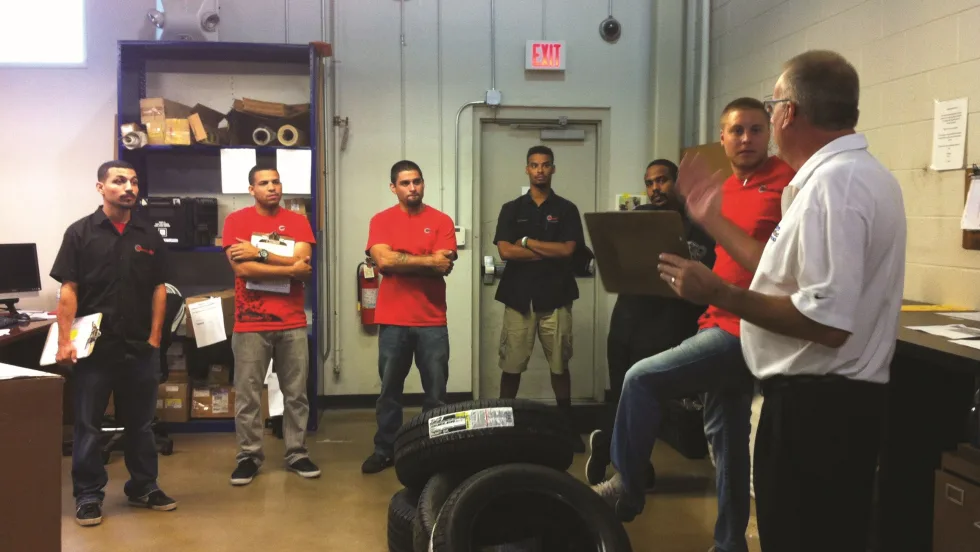
You don't need to hold a formal safety meeting. A short email, text message, or five-minute conversation before drivers head out can go a long way. The goal isn't to warn drivers about enforcement. It's to reinforce the habits you expect every day.
Drivers are busy, and it's easy for routines to become just that, routines. A quick reminder gives everyone a chance to refocus before they hit the road. For many fleet drivers, hearing directly from an owner, fleet manager, or supervisor can have more impact than another training video or company-wide memo.
Use the opportunity to remind employees about the behaviors that officers will be watching for, including:
Review Driver Complaints & Data
Small fleets often don't have hundreds of data points to analyze, and that's okay. One customer complaint or one near miss may be enough to identify a trend worth addressing, even if you don't have a spreadsheet full of telematics alerts. The goal is simply to ask, "Have we noticed anything lately that's worth talking about?"
Think back over the past month: Have you received customer complaints about driving? Has another motorist called your office? Did a driver mention a near miss that didn't result in an accident? Even if no citation was issued, those situations can reveal patterns worth addressing before they become bigger problems.
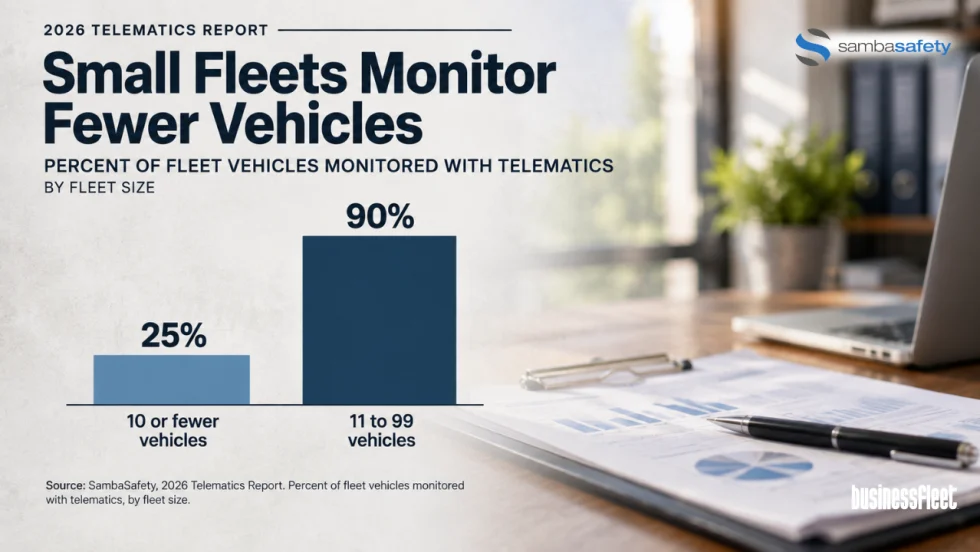
But many smaller fleet operations do have access to useful driving information, even if they aren't using advanced safety technology. Remember, you're not looking to micromanage every trip (nor do you have the time to). Instead, focus on identifying repeat behaviors that could benefit from a quick conversation.
Review recent reports for:
- Speeding events
- Hard braking
- Rapid acceleration
- Excessive idling
- Route patterns that seem unusual
It only takes one roadside inspection to discover someone's registration expired last month or that an insurance card was never replaced after a renewal. Taking a few minutes to confirm each vehicle has the paperwork drivers may need can prevent unnecessary delays and frustration if they're stopped.
Depending on your operation, that could include a driver's license, a medical certificate (if applicable), a vehicle registration, insurance information, and any permits required for your operation.
Walk Around the Vehicles
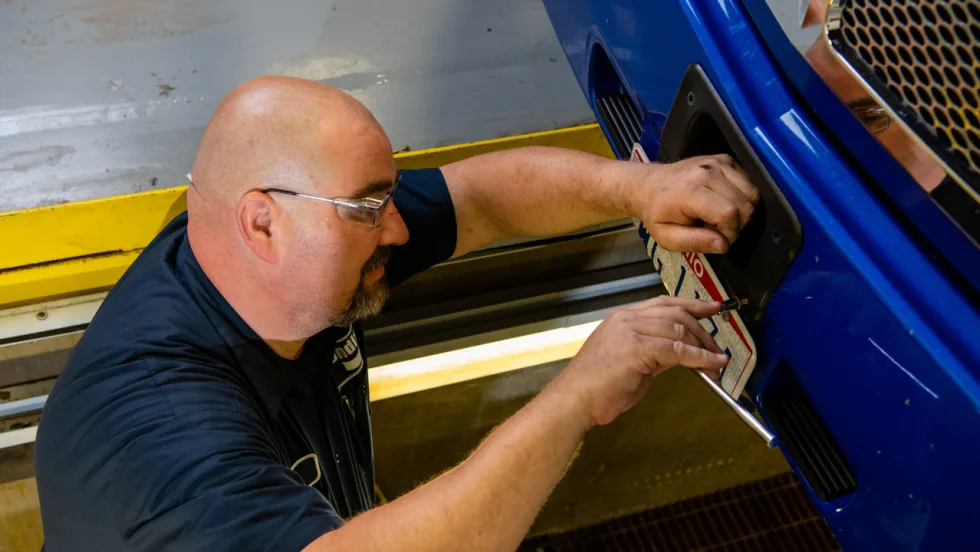
Encourage drivers to perform a quick walk-around inspection before leaving for the day. It's easy to overlook something when everyone's eager to get on the road, but five minutes spent checking the vehicle can uncover a burned-out light, damaged tire, or other issue that's much easier to fix in the parking lot than during a roadside inspection or after a breakdown. Ask them to check:
- Tires
- Headlights and brake lights
- Turn signals
- Mirrors
- Windshield/wiper condition
- License plates
Have a Conversation, Not Just Another Email
One advantage small fleets have over larger operations is that conversations can happen face-to-face. You probably know your drivers personally, which means a quick discussion before they head out often carries more weight than another company-wide email or online training module.
Remind them that Operation Safe Driver Week isn't about "catching" people. It's about slowing down, eliminating distractions, and remembering that safe driving protects everyone on the road every day of the year.
Preparing for Operation Safe Driver Week doesn't require expensive software or a dedicated safety department. For most, it's about taking a few intentional minutes to reinforce the expectations already in place. A reminder to your drivers, a quick review of recent issues, and a few simple vehicle and document checks can go a long way toward helping everyone return home safely at the end of the day.