


Battery Manufacturers Preparing for the Future of Automotive Technology
Cars are increasingly capable of doing more for their passengers. Here or on the drawing boards are features such as heated seats that "remember" driver preferences; navigation systems that guide a motorist through unfamiliar streets; wireless communications devices that call for help in an emergency; and climate controls to accommodate the individual wishes of the driver and the passenger.

Cars are increasingly capable of doing more for their passengers. Here or on the drawing boards are features such as heated seats that "remember" driver preferences; navigation systems that guide a motorist through unfamiliar streets; wireless communications devices that call for help in an emergency; and climate controls to accommodate the individual wishes of the driver and the passenger. But the electronic technology developments are empty promises without an efficient battery system. The traditional 12-volt battery, more than ample to supply electrical power for today's vehicles, needs a boost to keep up with the voracious electrical appetites of tomorrow's cars. Members of Battery Council International (BCI), the organization representing the country's lead-acid battery manufacturers and recyclers, are researching significantly more powerful battery systems that are efficient, affordable, safe, recyclable and environmentally friendly. The research will radically alter the passenger car. The industry and automakers are researching several options, with considerations such as cost-effectiveness with higher voltage requiring more cells and space; where to put the batteries; and the maximum amount of power a battery can provide safely. It means reconsidering the total design of the vehicle, potentially allowing the batteries to be located somewhere else besides under the hood. The first step in the evolution could be a two-battery system pairing a 12-volt and a 36-volt battery with a DC to DC converter that would allow the voltage to be stepped down for devices still operating on the 12-volt system. The batteries may be together or separate, located anywhere in the vehicle, perhaps even mounted upside down. Another option is a 42-volt system with a single 36-volt battery that will take loads off the engine, making it more fuel efficient. Both options include advanced lead-acid batteries, the same chemistry that starts today's cars, powers most commercial electric vehicles and backs up critical applications such as telecommunications, computer systems and emergency systems during power outages. The most viable configuration for a 42-volt battery system is a valve-regulated lead acid (VRLA) design with enhanced performance and extended cycle life -- the repeated discharge and recharge cycle a battery goes through during its life. The VRLA is a sealed, leakproof, long-life battery that doesn't produce gas, so it doesn't need to be confined upright and under the hood. It's a proven technology that, like other lead-acid batteries, uses inexpensive lead, plastic and electrolyte solution of sulfuric acid and water, and has an established manufacturing, distribution and recycling infrastructure. VRLA batteries are widely used today to back up computers and telecommunications applications, and to power commercial electric vehicles such as fork lifts and pallet lifters. There are other chemistries, such as lithium and nickel metal hydride, being considered for automotive use. They have advantages and disadvantages, but lead-acid batteries have a cost and environmental advantage, according to the BCI. Lead batteries are the most affordable and the most recycled consumer product, with a recycling rate of more than 90 percent for battery lead. An environmentally conscious society won't tolerate millions of spent batteries piling up in landfills. VRLA technology also has a proven track record for vehicle electrical systems, according to Ron Pogue, president of BCI. "VRLA technology can meet the demands of tomorrow's cars. That will mean better electronics and lighter vehicles," Pogue said. "The VRLA battery will work harder because it also will run power steering, brakes, and other systems." The 42-volt system is safe and operates within the UL guidelines, so there is no shock hazard. And the battery will last longer, perhaps not even needing to be serviced. In the long run, the 42-volt system will make vehicles more environmentally efficient, and number of batteries produced and recycled also could decrease, according to Pogue. While some companies are in the infancy in technology implementation, it's generally agreed that European automakers are taking the lead, using the best available VRLA technology in a power-optimized battery design. "Germany is leading the pack. Consumers of luxury vehicles probably will be able to purchase a German car with a high voltage battery system in 2002-2003. It will take longer for the general consumer, since an entire industry, with billions of dollars in capital investments, must be retooled and re- equipped," Pogue said. BMW currently has prototypes; its cars will probably be seen as early as 2002. High-end masses will see them in about five years; low-end masses will have to wait until the 2008-2010 model years. In the U.S., General Motors has a 42-volt program team and is already well into the development process. The GM electric vehicle, EV1, was the carmaker's first vehicle to attempt to implement the higher voltage technology.
Originally posted on Work Truck Online
More Telematics & Tech

Samsara Driver Perks Gives Small Fleets a Ready Made Driver Benefit
Small fleets can offer drivers discounts from more than 50 brands without building or managing their own employee rewards program.
Read More →
Smith System Says Small Fleets Need a Safety Cadence Not More Data
Smith System’s new Driver Risk Management program aims to help smaller fleets turn telematics and camera data into a repeatable coaching process without building a dedicated safety department.
Read More →
Dash Cams May Be Doing More Than Protecting Your Fleet Vehicles
Dash cams and GPS tracking may do more than improve safety. New survey findings link fleet technology to driver protection, employee retention, and customer confidence.
Read More →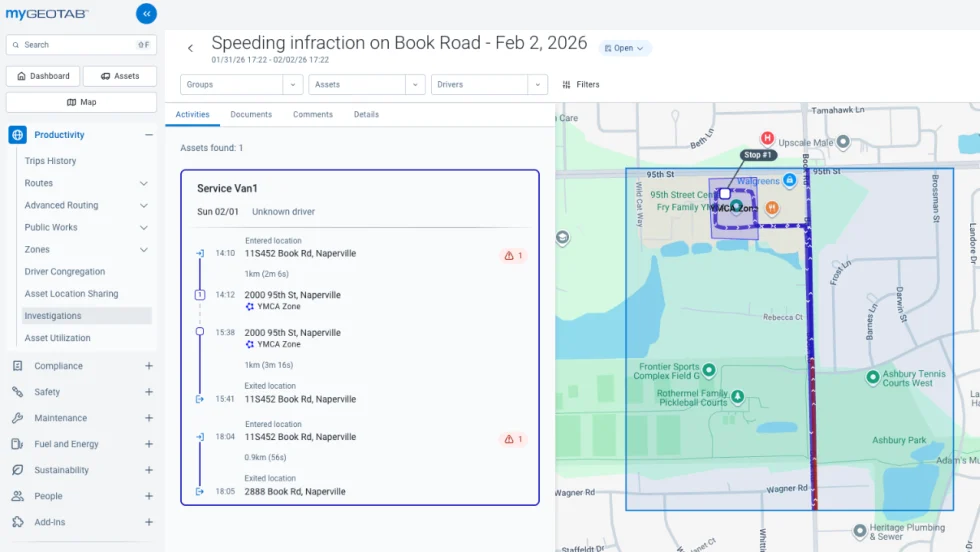
Geotab Adds Investigation Tools to Cut the Post-Incident Paper Chase
When a company vehicle is involved in a crash or complaint, Geotab Investigations brings telematics data, photos, reports, and other records into one case workflow.
Read More →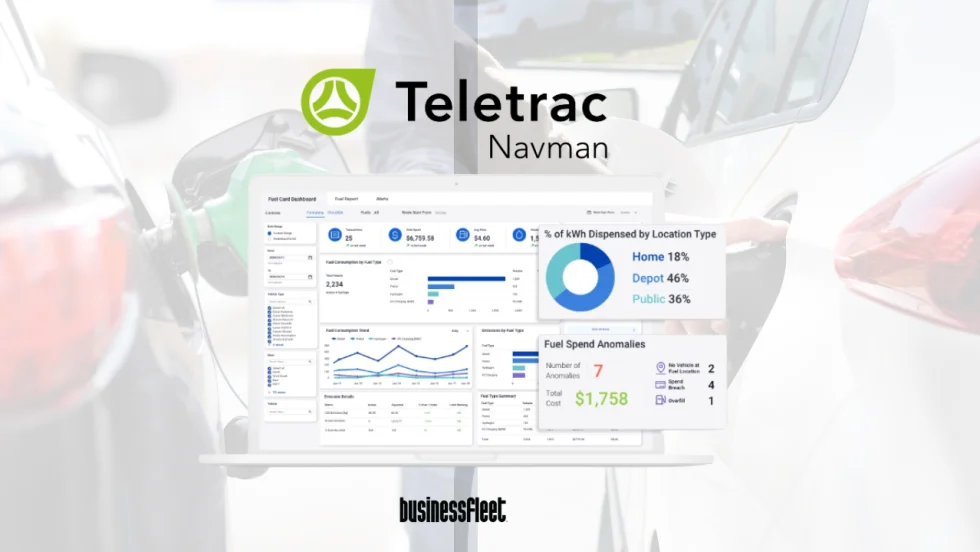
Teletrac Navman Adds Mixed-Energy Tracking to TN360
Energy Hub combines fuel card data, EV charging activity, reimbursements, and vehicle energy use in one dashboard for fleets operating gasoline, hybrid, and electric vehicles.
Read More →
ServiceUp Brings Automated Repair Coordination to Small Fleet Operators
New AI repair agents handle shop calls, estimate reviews, status checks, and invoice validation so business owners can spend less time coordinating vehicle repairs.
Read More →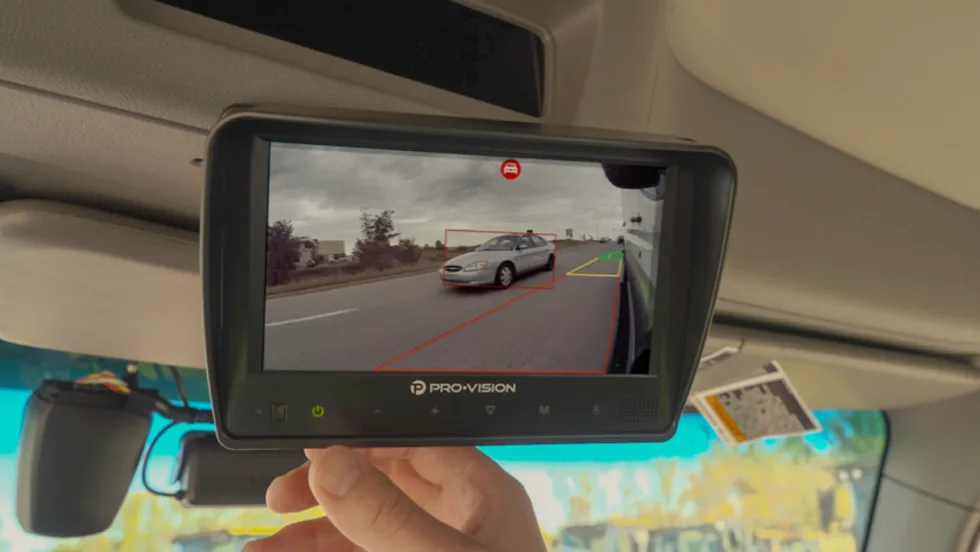
Pro-Vision Expands AI Fleet Safety Beyond the Cab
Pro-Vision's new AI camera and processing module extend real-time exterior hazard detection while integrating with leading fleet telematics platforms.
Read More →
Trimble to Add Hotel Booking Capabilities to Fleet Products Through Engine Partnership
Trimble is adding hotel-booking capabilities to its fleet tools, helping drivers and small fleets find lodging faster during trips and breakdowns.
Read More →
TruckDocsAI Launches AI-Powered Compliance Platform for Owner-Operators and Small Fleets
Can AI simplify DOT compliance? TruckDocsAI launches a new platform for owner-operators and small fleets facing audit pressures.
Read More →
Geotab Says Fleet AI Success Depends More on Data Than the AI Model Itself
Geotab's new AI connector links fleet data with ChatGPT and other platforms, helping organizations turn AI investments into business results.
Read More →