


BMW Group Presents Telematics Strategies: Emphasis Remains on the Driver

When will the driver be replaced? Will we drive our cars "automatically" tomorrow? On the occasion of the ITS World Congress in Torino the BMW Group is presenting new systems in the areas of driver assistance and telematics. But BMW is clearly opposed to the "automatic" driver and any external intervention in the process of driving. Whether stop-and-go cruise control, local hazard warnings or the BMW ASSIST telematics service, all of BMW's innovations are integrated into a comprehensive driver support concept, according to company officials. "ConnectedDrive" aims for intelligent communication between the driver, the car and the surroundings. Systems based on this principle give the driver information they either cannot obtain at all or only inadequately when using only their own resources. Electronic assistants, for example, relieve the driver of the usual chores in traffic and thus help to ensure a safer, more efficient and comfortable style of motoring. Intelligent mobility also means transmitting traffic-relevant data and other information from one car to the other. This is essential in order to network the driver, the driver's vehicle and the surroundings, in the process anticipating any interaction between these contributing factors, according to BMW. Interfaces between automotive technology and telematics offer unprecedented opportunities: The car is "connected" and communicates increasingly with its direct or more remote surroundings. It generates and processes data, it transmits and receives digital information. The benefits and potentials offered in this way are already becoming clear today. In the long term they will provide excellent options for protecting the environment, taking the burden off the traffic system as a whole, and increasing safety to an unprecedented standard. Although BMW has been among the pioneers of modern telematics ever since the introduction of the first navigation system in a series production model in 1994, it is particularly the more recent developments which help to synchronize individual mobility with the needs of our information and knowledge society, according to company officials. Thorough testing of MOST technology for wide-band information networking within the car's interior or BMW's early focus on Bluetooth communication technology are just two examples in this context. All of BMW's concepts in developing such systems follow the philosophy that the driver always comes in the middle. And in some areas this statement is correct even in its literal meaning, particularly in providing ergonomic interfaces between man and machine. The objective is to ensure a smooth flow of information by way of appropriate man/machine interfaces in the individual systems, benefiting the user and at the same time allowing the driver to concentrate in full on the traffic around him. System ergonomics of this kind is characterized by the arrangement and configuration of the controls as well as a logical communication dialogue. Examples of this kind already presented by BMW are the driver-centered cockpit or the BMW multifunction steering wheel. A second aspect in optimizing the man/machine interface is the integration of the driver in his car into the supply of information from outside. Typical examples are the on-line presentation of trip-related or other worthwhile information as well as communication with the driver's surroundings. Applying all these options in technology, "ConnectedDrive" seeks to ensure a meaningful division of activities by combining the respective strengths of man and machine, each doing their best to achieve a common goal. Driver assistance systems offer a broad scope of applications and benefits particularly in this respect, obtaining the best results from each source. They can support the driver wherever necessary, taking the different levels of performance of different drivers into account. They can help the driver acquire increasing experience and do his job properly. But they do not seek to take over decisions or responsibility due to the driver and the driver alone. Like the various forms of "Artificial Intelligence" (AI), attempts to automate chaotic systems such as road traffic either in full or in part are seen in a very critical light. This also includes attempts to control the top speed of a vehicle by means of telematics, forcing the driver to slow down to a specific speed limit. In the worst case such a shift of responsibility from the driver to some kind of overriding system may lead to chain reactions involving severe consequences. Hazards will inevitably arise whenever the driver relies on a specific speed dictated to him from some kind of external control system but not properly reflecting the current situation on the road, according to BMW. BMW's approach is therefore quite different: All kinds of sensors partly networked with one another determine the car's surroundings, evaluate the data obtained in the process, and specify a road speed safe under all conditions and subsequently transmitted to the driver as an intuitive recommendation via the Active Gas Pedal. The driver nevertheless remains responsible for maintaining this recommended speed, thus retaining his role as the crucial, decision-making link within the overall driving and vehicle control system. Further information on "ConnectedDrive" is available at the www.ConnectedDrive.com Website.
Originally posted on Work Truck Online
More Telematics & Tech

Samsara Driver Perks Gives Small Fleets a Ready Made Driver Benefit
Small fleets can offer drivers discounts from more than 50 brands without building or managing their own employee rewards program.
Read More →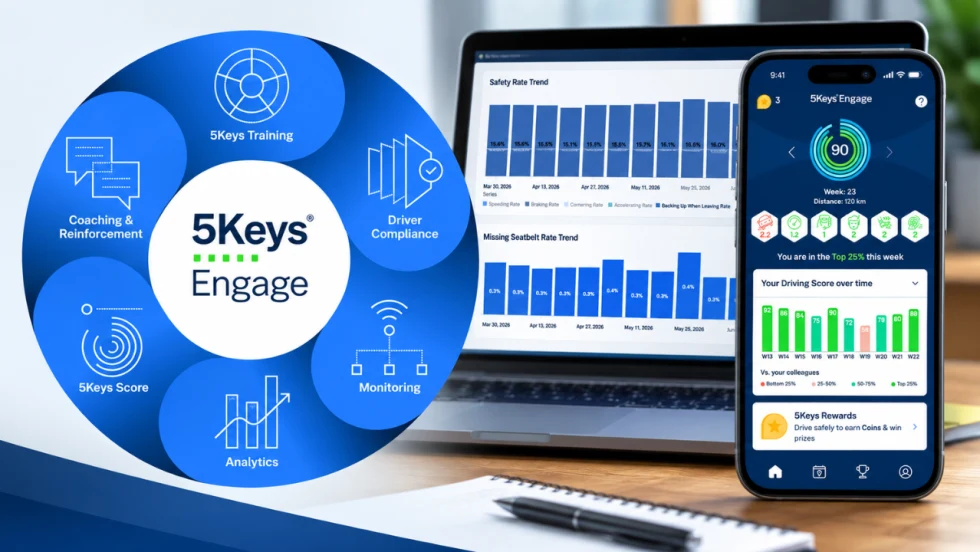
Smith System Says Small Fleets Need a Safety Cadence Not More Data
Smith System’s new Driver Risk Management program aims to help smaller fleets turn telematics and camera data into a repeatable coaching process without building a dedicated safety department.
Read More →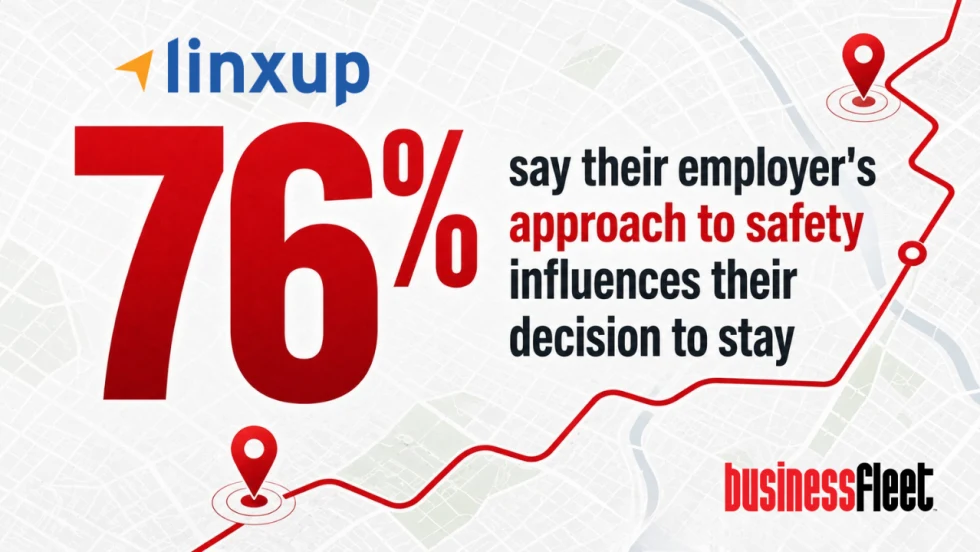
Dash Cams May Be Doing More Than Protecting Your Fleet Vehicles
Dash cams and GPS tracking may do more than improve safety. New survey findings link fleet technology to driver protection, employee retention, and customer confidence.
Read More →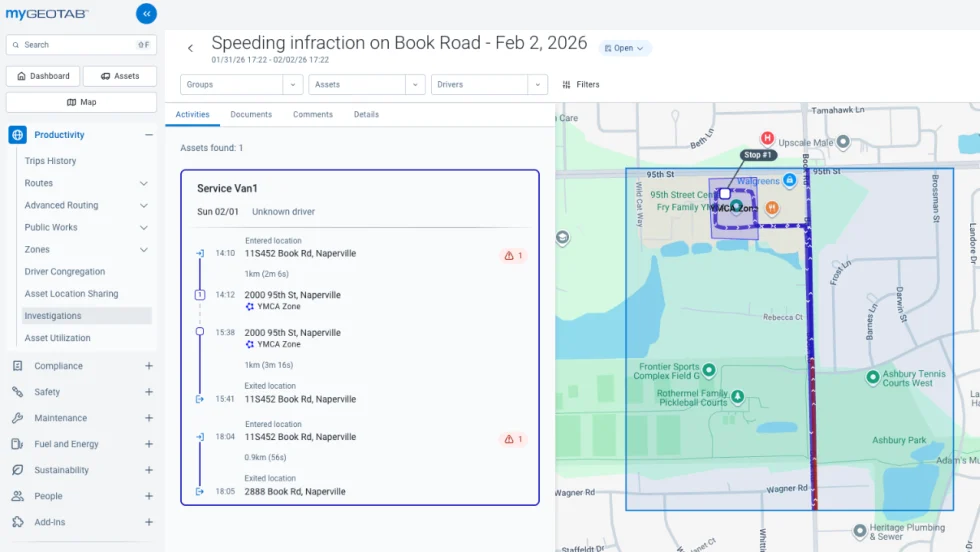
Geotab Adds Investigation Tools to Cut the Post-Incident Paper Chase
When a company vehicle is involved in a crash or complaint, Geotab Investigations brings telematics data, photos, reports, and other records into one case workflow.
Read More →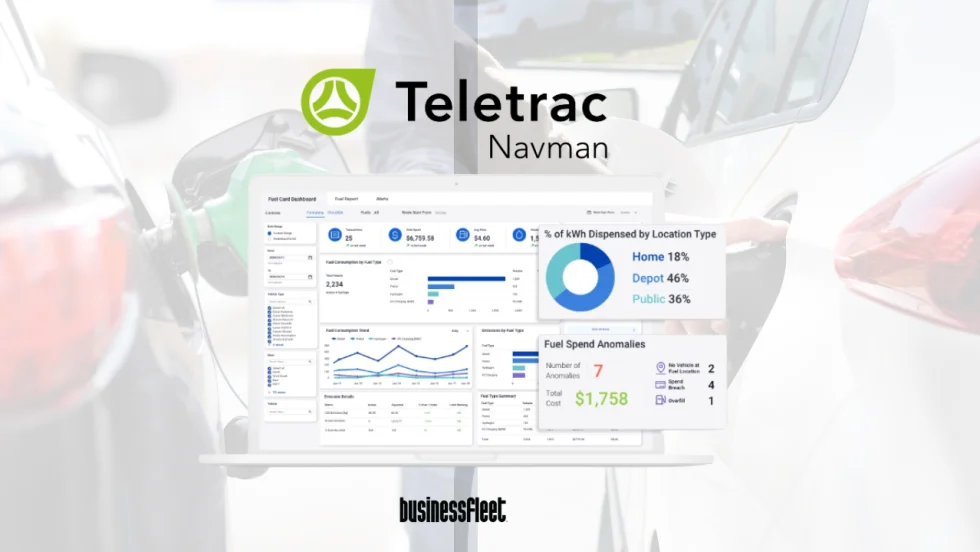
Teletrac Navman Adds Mixed-Energy Tracking to TN360
Energy Hub combines fuel card data, EV charging activity, reimbursements, and vehicle energy use in one dashboard for fleets operating gasoline, hybrid, and electric vehicles.
Read More →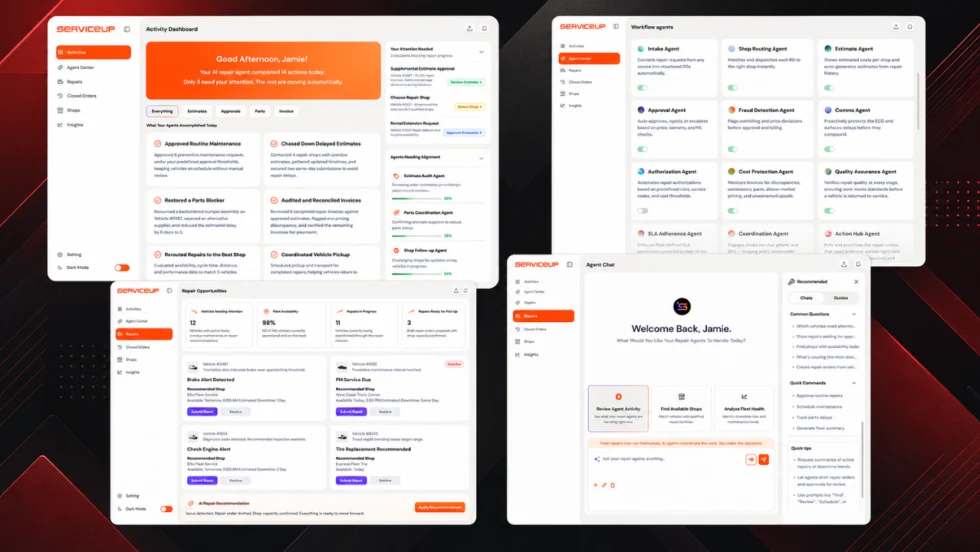
ServiceUp Brings Automated Repair Coordination to Small Fleet Operators
New AI repair agents handle shop calls, estimate reviews, status checks, and invoice validation so business owners can spend less time coordinating vehicle repairs.
Read More →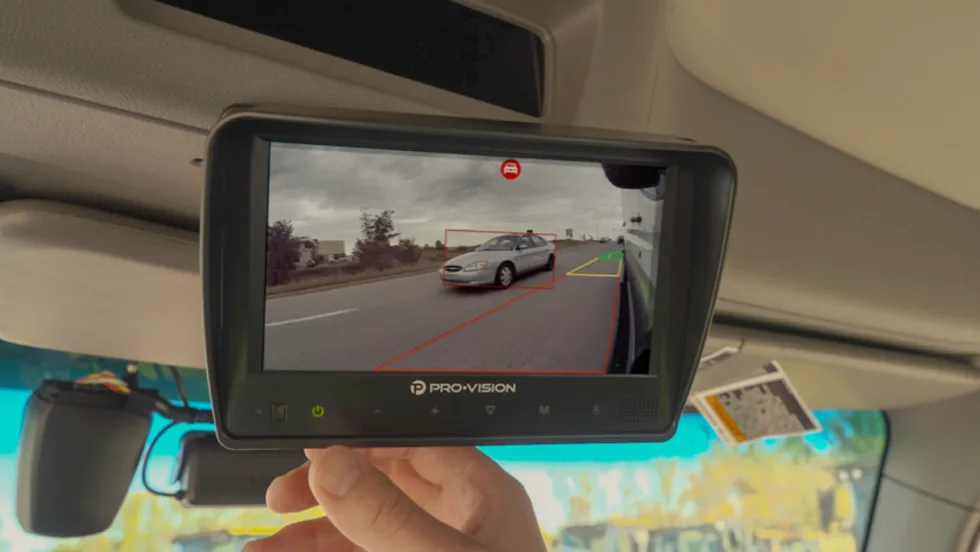
Pro-Vision Expands AI Fleet Safety Beyond the Cab
Pro-Vision's new AI camera and processing module extend real-time exterior hazard detection while integrating with leading fleet telematics platforms.
Read More →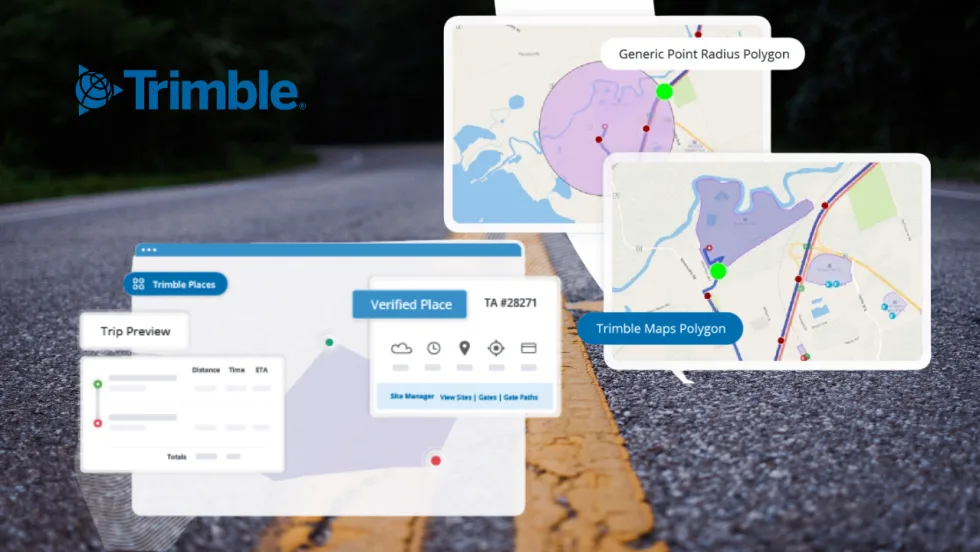
Trimble to Add Hotel Booking Capabilities to Fleet Products Through Engine Partnership
Trimble is adding hotel-booking capabilities to its fleet tools, helping drivers and small fleets find lodging faster during trips and breakdowns.
Read More →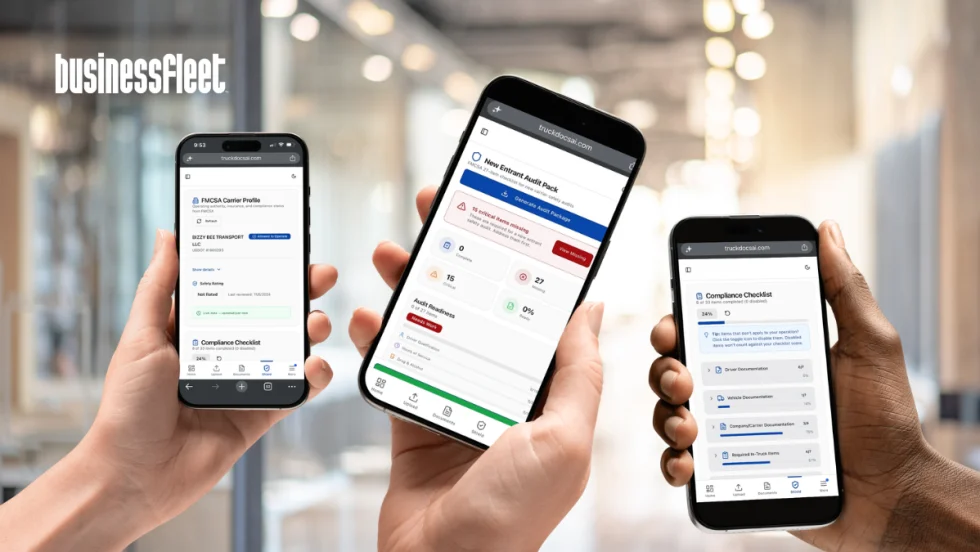
TruckDocsAI Launches AI-Powered Compliance Platform for Owner-Operators and Small Fleets
Can AI simplify DOT compliance? TruckDocsAI launches a new platform for owner-operators and small fleets facing audit pressures.
Read More →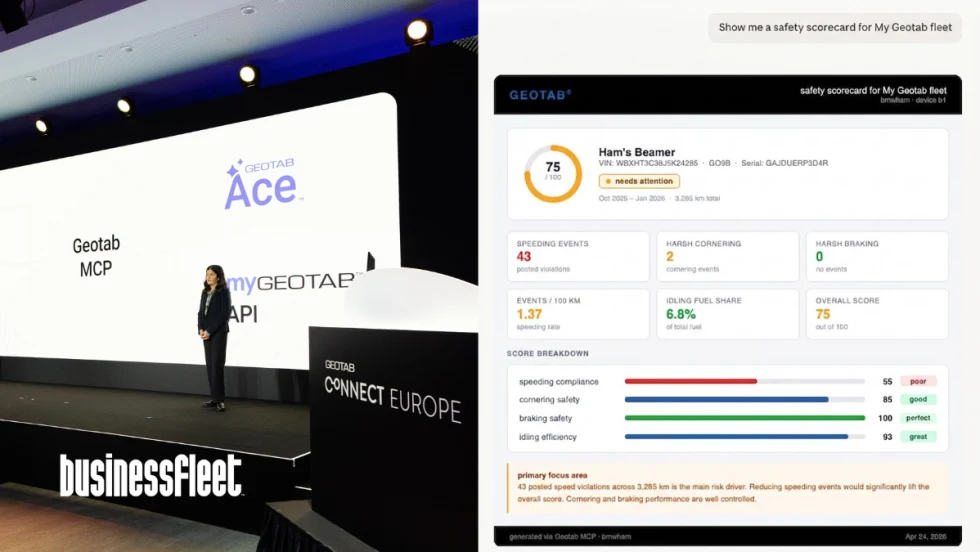
Geotab Says Fleet AI Success Depends More on Data Than the AI Model Itself
Geotab's new AI connector links fleet data with ChatGPT and other platforms, helping organizations turn AI investments into business results.
Read More →