


Safety Council's Contest Highlights Driver Distraction
Winning video productions must creatively demonstrate how and why behind-the-wheel use of wireless electronic devices still distracts drivers and poses a serious safety risk.

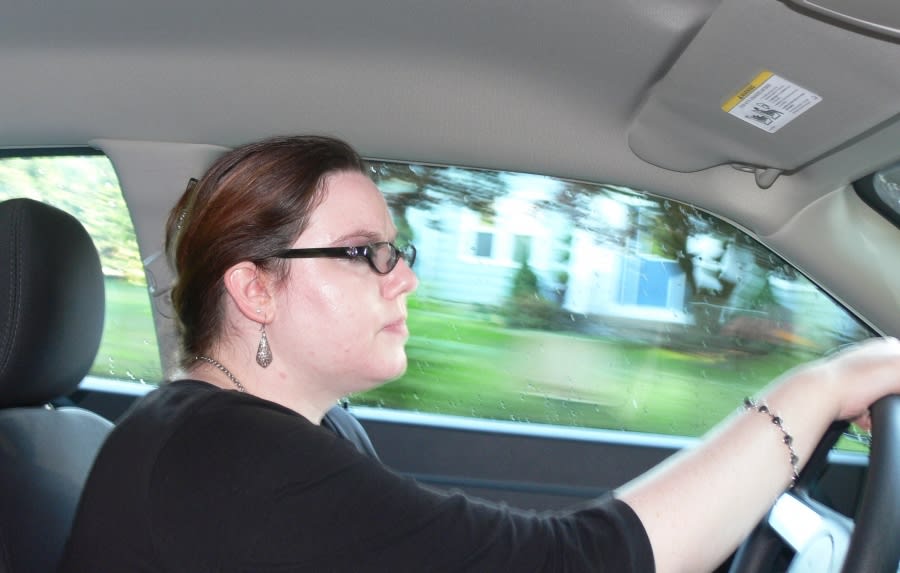
Photo: AAA Foundation for Traffic Safety.
As part of its “Hands-Free Is Not Risk-Free” campaign, the National Safety Council is sponsoring a video contest in which entries creatively highlight the dangerous distractions posed by driver use of hands-free electronic devices.
Entries must be original videos that illustrate how drivers using such hands-free devices are still cognitively distracted. The contest will include monetary awards of up to $2,000. Winners will be announced in April, which is Distracted Driving Awareness Month.
Winning videos will effectively convey the extent to which the minds of drivers using hands-free devices are distracted, NSC said. All participants – including anyone in the video – must be at least 18 years of age. Videos cannot contain any copyrighted material, including music, and cannot be more than two minutes long.
Monetary awards also will be given for second and third place. Entries will be accepted until March 14.
To gain a better understanding of what cognitive distraction is, click on the photo above.
“More than 30 scientific studies indicate hands-free device use does not offer drivers any safety benefit,” said John Ulczycki, vice president of strategic initiatives at NSC. “The brains of drivers using handheld or hands-free devices are distracted by the conversation itself, which means they are not able to focus solely on the task of driving. NSC aims to raise awareness about the dangers of using cell phones behind the wheel, not just in April during Distracted Driving Awareness Month, but every day of the year.”
NSC estimates one in four car crashes involve some form of cell phone use. In 2009, NSC called for a total ban on all cell phone use while driving. The organization opted to take this stance after reviewing numerous studies indicating the dangers of both handheld and hands-free devices.
Drivers distracted by cell phones can miss seeing up to 50 percent of their driving environment and have significantly delayed reaction times, according to studies.
Originally posted on Automotive Fleet
More Safety

Clocks Fall Back Nov. 1. Is Your Fleet Ready for Earlier Darkness?
Clocks fall back Nov. 1. Help your fleet prepare for earlier darkness with quick checks for driver visibility, schedules, fatigue, and seasonal road hazards.
Read More →
Tips for Driving Safely on Halloween Night
This video features a reminder from the Connecticut Department of Transportation (DOT) and the Connecticut Police Chiefs Association, urging drivers to prioritize safety this Halloween.
Read More →
Mercedes Benz Tests CLA Occupant and Battery Protection in Side Impact Crash
Two CLA sedans traveling at 35 mph were used in a Mercedes-Benz crash test examining occupant protection and electric vehicle battery safety.
Read More →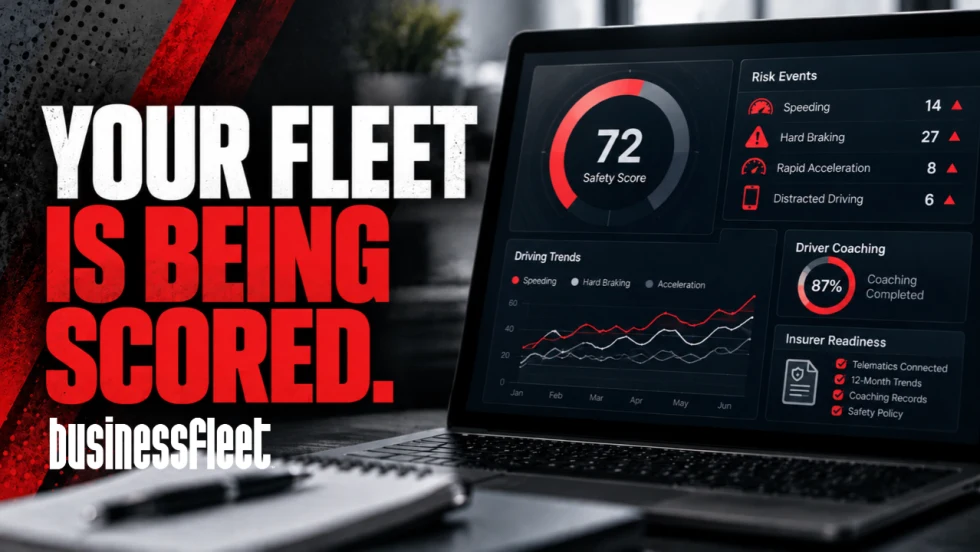
How Technology Can Help Fleet Owners Improve Insurability
Your fleet's telematics data could be the difference between getting insurance coverage and facing higher premiums or non-renewal. Here's what insurers are looking for and how fleets can use that data to make a stronger case at renewal.
Read More →
Simple Tire Checks That Help Keep Your Business Fleet Moving
A survey found that nearly one in every 10 passenger vehicles has at least one bald tire. What's more, 27% -- more than one in four -- of vehicles are driven with one or more severely under-inflated tires.
Read More →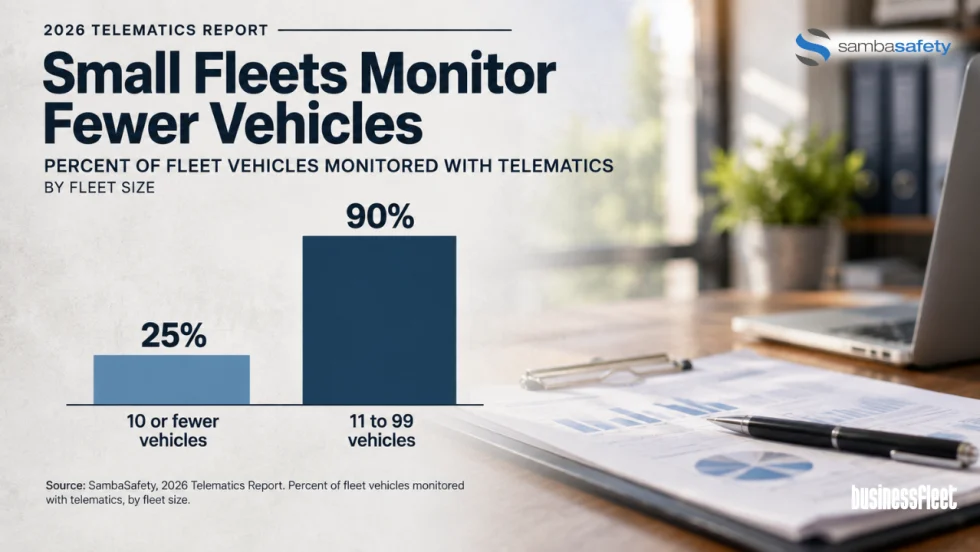
Small Fleets Lag in Telematics Coverage as Industry Moves Beyond Adoption
SambaSafety’s 2026 Telematics Report finds fleets with 10 or fewer vehicles monitor a much smaller share of their vehicles than larger operations, as the industry shifts its focus from collecting data to using it.
Read More →
Back-to-School Traffic Is Not the Risk Fleets Think It Is
Back-to-school traffic does not always mean more crashes. New Empiric Earth data shows why fleets should focus on when and where risk changes.
Read More →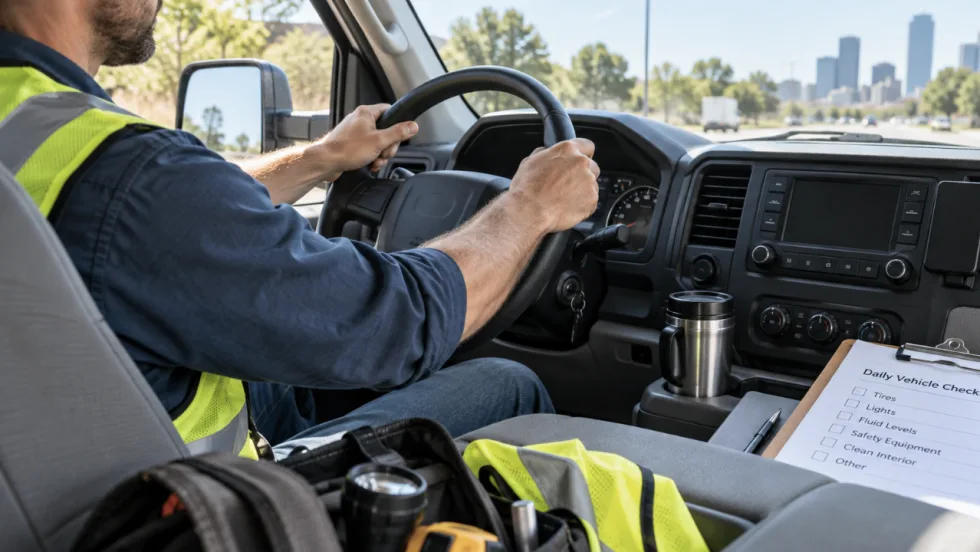
Small Fleet, Big Exposure: How to Reduce Workers’ Comp Risks
For small fleets, one crash can trigger far more than vehicle damage. Here’s how stronger driver safety policies, training, maintenance, and technology can help reduce workers’ comp exposure.
Read More →
Who Makes the Call When Winter Weather Gets Dangerous?
Winter weather can quickly change a small fleet’s plans. Knowing when to reroute, delay, or stop can matter just as much as preparing the vehicles themselves.
Read More →
API Issues Refueling Safety Guidelines
The American Petroleum Institute offers a list of safe vehicle refueling guidelines, including ways to avoid potential problems with static electricity discharges in fall, winter, and early spring.
Read More →