


4 Safety Concerns Drivers Commonly Overlook
Your drivers' accidents are costing you lost time, higher insurance premiums, and a high cost of loss. Worse yet, they’re hurting people. You can take action to prevent accidents.

Driving is the leading cause of death for workers in the U.S. regardless of industry.
Photo: Bobit
What’s the most dangerous part of your employees’ job? Even if you have utility workers climbing poles to fix down wires, the most dangerous thing your employees do is drive.
In fact, driving is the leading cause of death for workers in the U.S. regardless of industry.
Your drivers' accidents are costing you lost time, higher insurance premiums, and a high cost of loss. Worse yet, they’re hurting people. You can take action to prevent accidents.
Let’s take a look at some of the most common driving risks your medium-duty vehicle drivers face and some risk-reduction strategies that will prevent accidents.
4 Common Risks Drivers Face
If your employees drive to perform essential job-duties, they are professional drivers. The problem is, they face the same risk as truckers and bus operators but receive no special training.
Not only that, but if your employees drive medium-duty vehicles like boxed trucks, utility trucks, or paratransit busses, they face more risk than light-duty vehicles but need no additional license.
This situation creates added risk that your drivers are likely not aware of. Here are four of the most common risks that medium-duty vehicles drivers overlook and what they can do to prevent accidents.
1. Stopping Distance And Rear-End Collisions
The Risk
Medium-duty vehicles are heavier and more dangerous than your typical vehicle. Their increased weight means it takes longer to stop than a sedan or pick-up truck, thus putting your drivers at risk for rear-end collisions.
Rear-end collisions are the most common type of accidents. Worse yet, they are costly, often serious, and sometimes fatal.
The Solution
While rear-end collisions are common, they’re easy to prevent if your drivers maintain a safe following distance.
Your medium-duty vehicle drivers should maintain a 3 to 4 second following distance in normal, dry conditions.
Then, they need to look ahead to see and react to risk in time. They need to Look Ahead for reasons to stop, brake early, and stop gradually. This will keep themselves and others safe.
2. Blind Spots
The Risk
Every car has blind spots. However, most medium-duty vehicles have larger and more blind spots than other vans and cars. This creates additional risk of striking:
Fixed objects
Other vehicles
Worst of all, pedestrians and cyclists
The Solution
Your drivers need to learn about the blind spots of their vehicles during training. They also need to learn reference points they can use to maneuver effectively.
Then, you need to teach your drivers to Look Around and rock and roll in their seats. They should Look Around by checking their mirrors every 5 to 8 seconds while behind the wheel. They should rock and roll in their seats to see around their blind spots. Rocking and rolling means you move your body forward, backward, left, and right to get a better view of what’s happening around your vehicle.
It’s especially important to rock and roll before and during turns.
3. Performing Safe Turns
The Risk
Intersections are the most dangerous driving environment your drivers will face. There are other vehicles, fixed objects, changing traffic patterns, pedestrians, and cyclists to worry about. That risk carries over to turns which happen at intersections.
Turns are dangerous because your drivers might not be used to operating a larger vehicle such as a utility or service truck. Their vehicle’s size and blind spots make turning challenging, thus increasing the risk of a collision with another vehicle or a person crossing the street.
The Solution
To prevent turning collisions, your drivers need to know proper turning mechanics such as making squared turns and blocking their turns for squeezers. Beyond that, there are some basic defensive driving techniques every driver should know.
To prevent turning accidents, your drivers must:
Look ahead 15 seconds as they approach the intersection - they need to scan the area for risk and check the status of the light
Cover their brake and be ready to stop as they approach the intersection
Look left, right, and left again before proceeding through an intersection
Rock and roll in their seat before and halfway through a turn
Always communicate with 3 to 5 flashes of their turn signal before taking action
Turn at 3 to 5 miles per hour
4. Vehicle Clearance
The Risk
Medium-duty vehicles are taller and wider than your average vehicle on the road. This presents the risk for fixed object strikes from above and to the side. It also presents the risk of hitting another vehicle when your drivers thought they had clearance.
These accidents are common, costly, and hurt people.
The Solution
The first step to preventing these accidents is to educate your drivers on their vehicle specifications. Your drivers need to memorize the height, length, and width of their vehicle.
Next, your drivers need to Look Ahead for low overhead clearance. This could be bridges, low hanging branches, low hanging wires, awnings, or structures in a drive-through. Teach your drivers to Look Ahead for these risks and to never proceed if they aren’t certain they will fit.
Finally, teach your drivers to Look Ahead and plan for close-quarter maneuvering. Teach them to avoid narrow roads, bridges, and alleyways. If they Look Ahead for these situations and make a plan, they can stop their vehicle and find an alternative route.
You Have Professional Drivers — Train Them
If you have workers driving to job sites, you have professional drivers. Just because someone has a clean driving record does not mean they are ready to get behind the wheel for your company. If you don’t train your employees to be defensive drivers, you face the risk of:
Higher accident rates
Increased cost of loss
Increased workers comp
A fatal collision
These are all varying degrees of disastrous for any organization. It’s time to do something about them.
If you invest in defensive driving training, whether you make it yourself or buy something pre-existing, your efforts and resources can pay for themselves.
You’ll save time and money while protecting your employees.
About the Author: John Kuder is a senior instructional designer at Avatar Fleet, the creators of the non-CDL safety training course, The Fleet Safety Course.
Originally posted on Automotive Fleet
More Safety
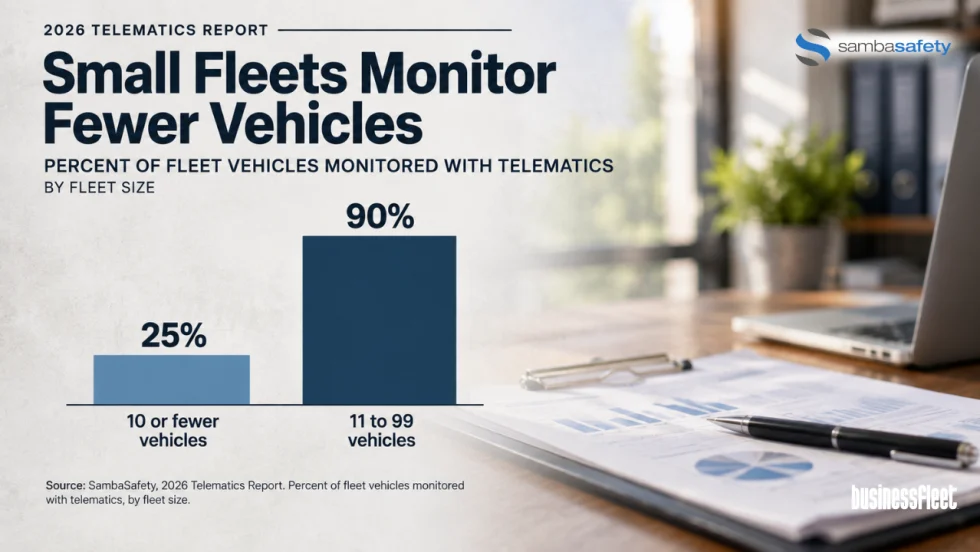
Small Fleets Lag in Telematics Coverage as Industry Moves Beyond Adoption
SambaSafety’s 2026 Telematics Report finds fleets with 10 or fewer vehicles monitor a much smaller share of their vehicles than larger operations, as the industry shifts its focus from collecting data to using it.
Read More →
Back-to-School Traffic Is Not the Risk Fleets Think It Is
Back-to-school traffic does not always mean more crashes. New Empiric Earth data shows why fleets should focus on when and where risk changes.
Read More →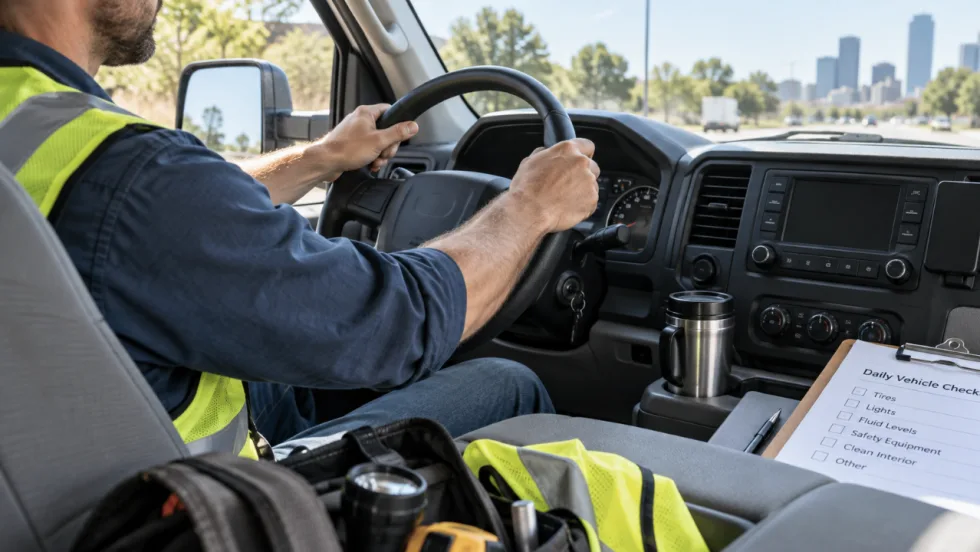
Small Fleet, Big Exposure: How to Reduce Workers’ Comp Risks
For small fleets, one crash can trigger far more than vehicle damage. Here’s how stronger driver safety policies, training, maintenance, and technology can help reduce workers’ comp exposure.
Read More →
Who Makes the Call When Winter Weather Gets Dangerous?
Winter weather can quickly change a small fleet’s plans. Knowing when to reroute, delay, or stop can matter just as much as preparing the vehicles themselves.
Read More →
API Issues Refueling Safety Guidelines
The American Petroleum Institute offers a list of safe vehicle refueling guidelines, including ways to avoid potential problems with static electricity discharges in fall, winter, and early spring.
Read More →
Winter Fleet Prep: Expert Tips to Keep Vehicles Running Smoothly
Cold weather can expose weak batteries, tires, fuel systems, and maintenance gaps fast. Use this winter fleet checklist to prepare trucks and drivers before temperatures drop.
Read More →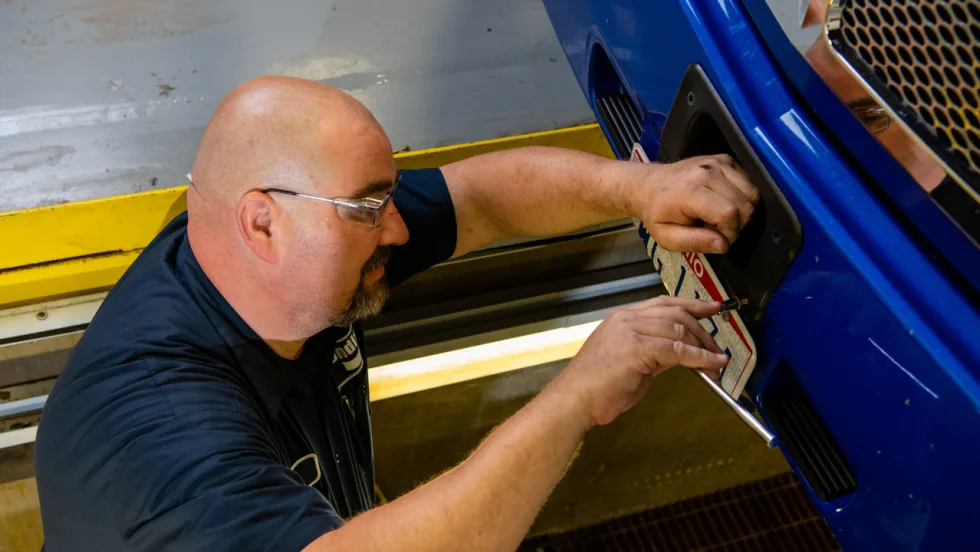
8 ADAS Maintenance Tips for Small Business Fleets From Bendix
A dirty camera, bad alignment, or one loose connection could quietly knock your fleet’s ADAS offline. Here’s what Bendix says to check.
Read More →
Developing Budget-Friendly Driver Safety Programs
From driver training and safety meetings to one-on-one coaching and incentive programs, several small fleets share how they have developed a safety culture with their drivers using low- to no-cost resources.
Read More →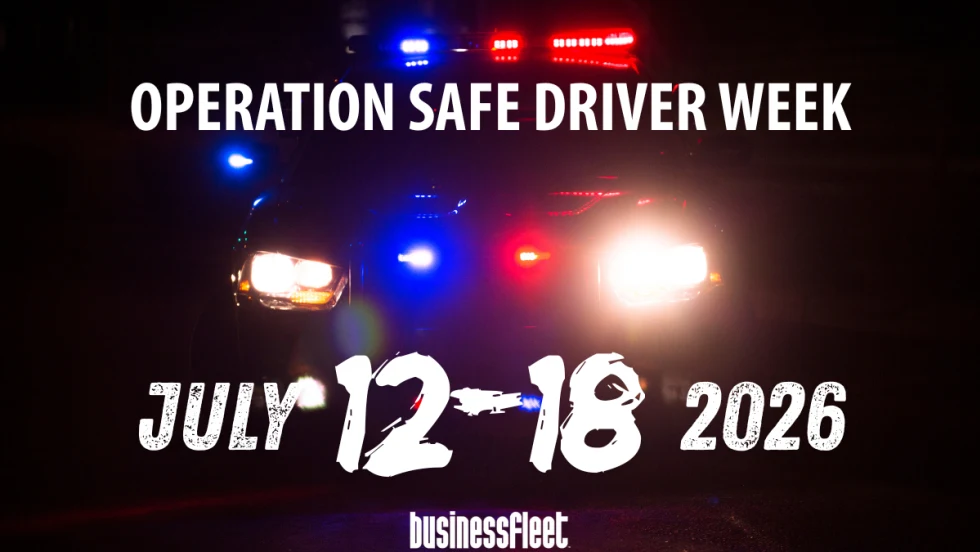
A 20-Minute Safety Check for Small Fleets Before Operation Safe Driver Week
No safety department? No problem. Here's a practical checklist small fleet managers can use before Operation Safe Driver Week begins.
Read More →
Why Small Fleets Keep Getting Tripped Up by ELD Compliance
Roadcheck revealed a hard truth: most ELD violations aren't intentional. They're caused by small mistakes that can cost fleets time, money, and trust.
Read More →