


Distracted Driving: Managing Inattention Blindness
When your drivers are distracted, they're aware of fewer risks even if they’re looking right at them. Use these strategies to train drivers to avoid inattention blindness.

Fleet managers can prevent distracted driving, reducing the risk of accidents, by removing distractions so drivers stay focused on everyone sharing the road with them.
Photo: Automotive Fleet
One of the biggest risks your drivers could take is driving distracted. Distracted driving leads to speeding, tickets, running red lights, and causing accidents. Worse yet, it's a leading cause of fatal collisions. With how common distracted driving is, some of your drivers are almost guaranteed to be guilty of it.
If you want a fleet of drivers who prevent accidents and remain attentive, you must educate them on combating distracted driving and inattention blindness.
In this article, you will learn:
What distracted driving is.
Why distracted driving is dangerous.
What inattention blindness is and what causes it.
Strategies for combating distracted driving and inattention blindness.
What is Distracted Driving?
We all have an image of distracted driving in our head: texting or talking on the phone, looking for something in your car, etc. However, the reality is that distracted driving can encompass many activities that we consider harmless.
Distracted driving is defined as any activity that pulls your focus away from the task of driving. Distracted driving includes:
Texting and driving
Talking on the phone (hands-free or otherwise)
Daydreaming
Talking to passengers
Eating or drinking
Looking at something on the side of the road
Adjusting the A/C or radio
Programming a GPS
Anything else that takes your mind, eyes, or hands away from driving.
These activities are commonplace for most drivers but significantly increase the risk of causing an accident.
The Dangers of Distracted Driving
Distracted driving is the most dangerous thing your drivers can do. Here are some statistics to back up that claim:
The National High Traffic Safety Administration (NHTSA) reports that distracted driving led to 3,308 fatal crashes in 2022.
According to the NHTSA, nine people die every day from distracted driving.
One in every five people killed in a distracted driving collision are not in a vehicle — they are pedestrians, cyclists, or otherwise outside of their vehicles.
It's estimated that texting and driving are six times more likely to cause an accident than drunk driving.
It can be difficult to understand how these statistics impact us. Nameless statistics are often not as alarming as they should be. So, let's frame it this way. Imagine if a fatal distracted driving collision was caused by one of your employees. How would that impact your organization? How would that impact you personally?
Distracted driving is a major obstruction to creating a safe company, but you don't have to accept it as a reality of running a fleet. You can work to prevent distracted driving with your employees.
Inattention Blindness – Why Distracted Driving is Dangerous
It's evident that distracted driving is dangerous, but what makes it dangerous? One of the biggest reasons distracted driving increases risk is because it leads to inattention blindness.
Inattention blindness causes us to miss vital information in our driving environment. When distracted, we're aware of fewer risks, even if we're looking right at them.
Studies show that distracted drivers will, on average, only see and recognize 50% of the cars on the road with them. Drivers don't register the other vehicles because they are focused on something else.
Due to inattention, this is the equivalent of driving with 100 cars on the road, but 50 are invisible to the driver, increasing the likelihood of crashes.
Inattention blindness can happen when your drivers are:
Daydreaming
Talking on the phone (even with hands-free devices)
Talking to passengers
Using a navigation device
Texting
How to Manage Inattention Blindness
If you want your drivers to have fewer accidents, you need them to avoid distractions. Distractions cause inattention blindness, and inattention blindness causes serious accidents. So, how do you ensure your company has attentive, defensive drivers?
Here are several strategies you can implement to train drivers to avoid distractions.
Effective Defensive Driving Training
Your drivers need to be made aware of how serious driving is. They also need tools to help them avoid distractions.
Companies that want to reduce collisions should invest in defensive driving training and education. Your drivers probably think they're safe, attentive drivers. Chances are, they're not.
You need to educate your drivers on the following:
How dangerous distracted driving is, thus encouraging them to avoid distractions.
What is inattention blindness, and how often does it happen to people?
The various types of distractions that lead to inattention blindness, such as daydreaming or talking on the phone.
The fact that driving is not a passive activity.
How can they change their point of focus every two to three seconds to avoid driving with a fixed stare and remain focused?
How can they check their mirrors every five to eight seconds to see their entire environment?
Even though many of your drivers probably think they're safe from distracted driving just because they don't text and drive, this is a dangerous mindset to have. You need to educate your drivers so they know otherwise.
Onboarding And New-Hire Alignment
If you're a vocational fleet of non-CDL vehicles, chances are, your drivers don't see themselves as drivers. They see themselves as plumbers, electricians, pest control specialists, or any other primary job function.
While that might be their title, they need to realize that driving is the most dangerous thing they do. Nothing is more important than preventing accidents.
If you want employees who avoid distractions and prevent inattention blindness, do the following with new hires:
Explain the importance of driving to them.
Set your expectations with them that they are professional drivers.
Have them sign a pledge to remain attentive behind the wheel.
Implement and enforce a strict no-phones policy while driving.
Event Video Recorders
Companies with a fleet of drivers often invest in event video recording software.
Event video recorders are cameras that record and store any g-force event like hard braking or collisions. They're often used to prove your driver wasn't at fault in a collision, but they can also catch bad behavior.
Event video recorders will help you find and correct unsafe behaviors that lead to inattention blindness, like driving with a fixed stare or talking on the phone. That way, you can correct bad habits before they lead to an accident.
Proper Selection & Hiring Process
Proper onboarding, training, and event video recorders are important in reducing distracted driving. However, for a select few individuals, there's nothing you can do to convince them to put the phone down or to keep their focus on the road. They are willing to accept the risk of inattention blindness and distracted driving.
You must ensure you don't hand over the keys to these folks.
A proper selection and hiring process will help you find the ideal risk-averse candidate who takes their role as a professional driver seriously.
Here are some selection and hiring processes to help you hire the right person:
Structured interviews
Checking MVRs before hiring
Self-directed personality assessments
Situational judgment tests
Invest in Protecting Your People
Distracted driving and inattention blindness present a major risk to companies. These risks lead to increased loss costs, tarnished company reputation, workers' comp, and even court appearances. However, you don't have to accept inattention blindness as a fact of life at your company.
If you educate your drivers on defensive driving, align them with your safety culture, and only hire risk-averse employees, you can enjoy the peace of mind that comes with lower accidents and cost of loss.
You'll save time, money, and headaches while protecting your people.
Editor's Note: This article was originally published in October 2021 and was updated on August 13, 2024, for continued relevancy on distracted driving and related statistics.
Originally posted on Automotive Fleet
More Safety
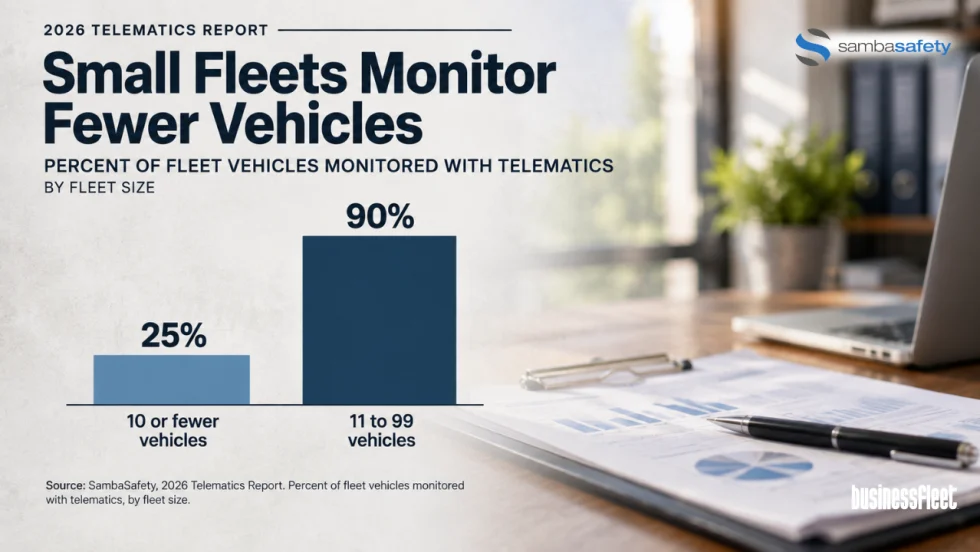
Small Fleets Lag in Telematics Coverage as Industry Moves Beyond Adoption
SambaSafety’s 2026 Telematics Report finds fleets with 10 or fewer vehicles monitor a much smaller share of their vehicles than larger operations, as the industry shifts its focus from collecting data to using it.
Read More →
Back-to-School Traffic Is Not the Risk Fleets Think It Is
Back-to-school traffic does not always mean more crashes. New Empiric Earth data shows why fleets should focus on when and where risk changes.
Read More →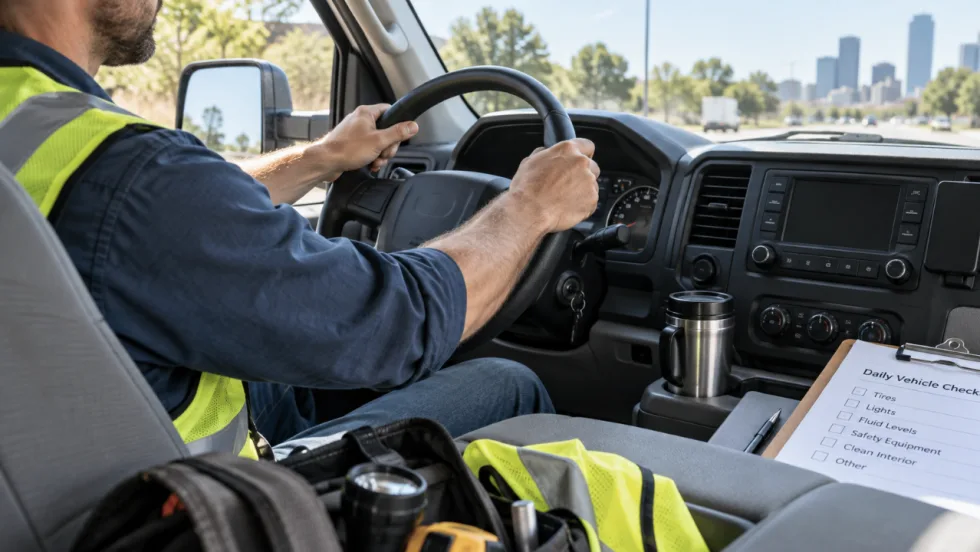
Small Fleet, Big Exposure: How to Reduce Workers’ Comp Risks
For small fleets, one crash can trigger far more than vehicle damage. Here’s how stronger driver safety policies, training, maintenance, and technology can help reduce workers’ comp exposure.
Read More →
Who Makes the Call When Winter Weather Gets Dangerous?
Winter weather can quickly change a small fleet’s plans. Knowing when to reroute, delay, or stop can matter just as much as preparing the vehicles themselves.
Read More →
API Issues Refueling Safety Guidelines
The American Petroleum Institute offers a list of safe vehicle refueling guidelines, including ways to avoid potential problems with static electricity discharges in fall, winter, and early spring.
Read More →
Winter Fleet Prep: Expert Tips to Keep Vehicles Running Smoothly
Cold weather can expose weak batteries, tires, fuel systems, and maintenance gaps fast. Use this winter fleet checklist to prepare trucks and drivers before temperatures drop.
Read More →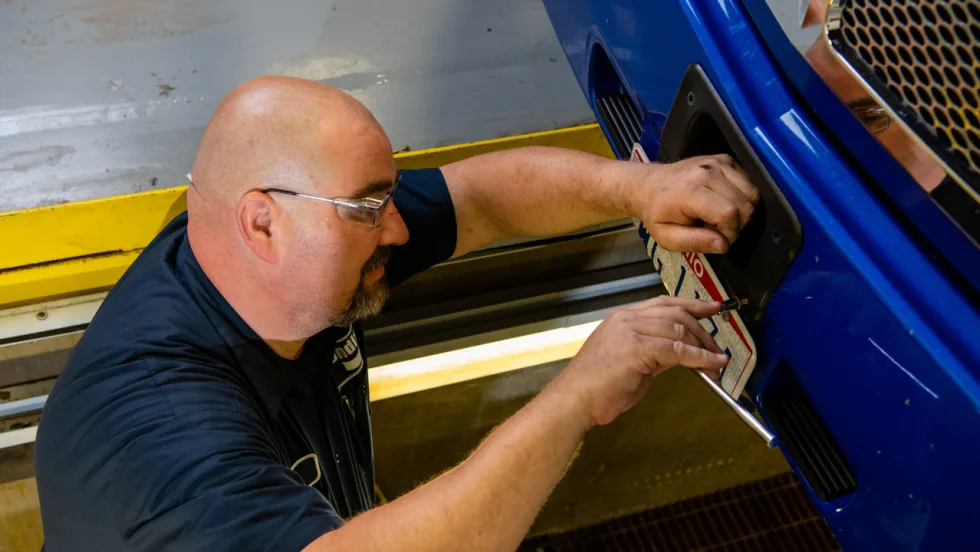
8 ADAS Maintenance Tips for Small Business Fleets From Bendix
A dirty camera, bad alignment, or one loose connection could quietly knock your fleet’s ADAS offline. Here’s what Bendix says to check.
Read More →
Developing Budget-Friendly Driver Safety Programs
From driver training and safety meetings to one-on-one coaching and incentive programs, several small fleets share how they have developed a safety culture with their drivers using low- to no-cost resources.
Read More →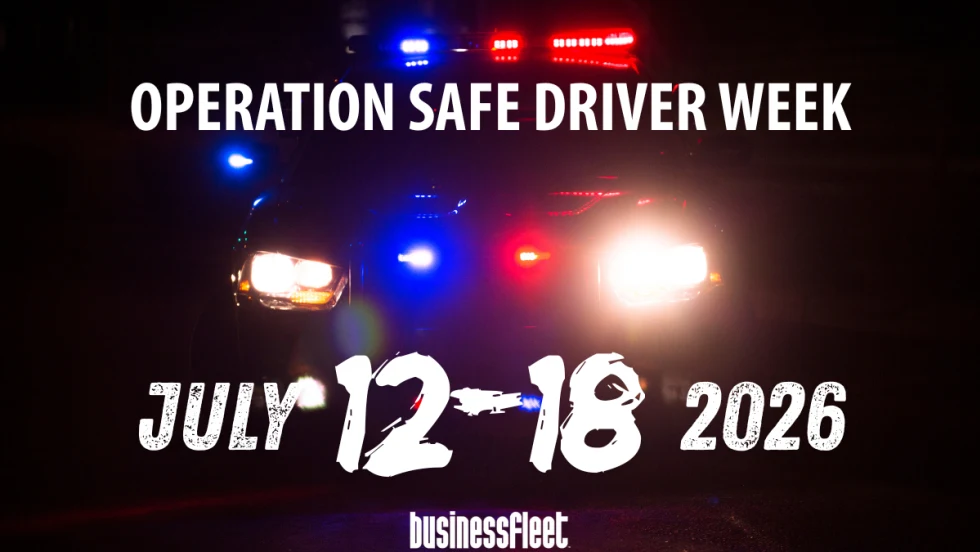
A 20-Minute Safety Check for Small Fleets Before Operation Safe Driver Week
No safety department? No problem. Here's a practical checklist small fleet managers can use before Operation Safe Driver Week begins.
Read More →
Why Small Fleets Keep Getting Tripped Up by ELD Compliance
Roadcheck revealed a hard truth: most ELD violations aren't intentional. They're caused by small mistakes that can cost fleets time, money, and trust.
Read More →