


Fleets Beta Test New Telematics-Powered Service
Several fleets are testing a new telematics-powered service called PHH Onboard. The service seeks to help fleets increase productivity of the driver and vehicle, improve risk management, and enhance vehicle performance.

How can telematics help reduce risk?
Photo: Bobit
Patrick Kelley, senior vice president at ResCare, Inc., knew that his company needed a technology solution to become a safer fleet. ResCare provides a variety of services to people with physical and developmental disabilities and special needs. Its fleet of passenger vans and minivans transports these clients to different sites, such as residences, group homes, vocational and day habilitation programs, and larger facilities.
The risk management concerns of carrying people were obvious — a single accident could result in major liability damages.
Kelley says, “We were looking for a solution that would improve our fleet’s safety.”
Jerome Hoes, director of fleet and travel at GEICO Insurance, was also ready to try technology to help his company resolve some challenges with its fleet. GEICO is the fourth-largest private-passenger auto insurer in the U.S. Its fleet of 1,750 vehicles includes cars for its claims adjustors, pool vehicles, and commuter vans for its employees.
Headquartered in Washington, D.C., GEICO has seven regional offices and multiple call centers around the country.
Says Hoes, “We were interested in finding out how onboard technology could help us with safety, utilization, and other issues.”
Both companies worked with their fleet management provider, PHH Arval, to initiate a pilot program using PHH Onboard, a new telematics-powered service being developed by PHH. The service includes consultation on technology options, determination of ROI opportunities, development of implementation and execution strategies, management of installation and activation, and ongoing measurement and reporting on fleet/driver performance.
David Coleman, vice president, new product development for PHH, believes the convergence of telematics technology, consulting expertise, and information management capabilities will take onboard solutions to increasingly higher levels of business efficiency.
“Our strategy with PHH Onboard is to integrate advanced technologies with core fleet management services to help clients in three specific areas: productivity of the driver and fleet vehicle, risk management, and vehicle performance. We combine an onboard GPS and vehicle diagnostics device, powered by Networkcar, with PHH’s comprehensive fleet information database and consultative expertise," Coleman said.
ResCare Gets Corporate Buy-In and Immediate Results
The first task was to get buy-in on goals and measurements for the program. Kelley called in a cross-section of stakeholders in his company to discuss the use of telematics for the ResCare fleet.
“We included representatives from legal, risk, information technology, finance, and operations and asked for their feedback on the benefits and risks of implementing this technology. They were all involved in the decision to try PHH Onboard. Each department had its own ideas of what they should get out of the technology, so our established goals reflect everyone’s list of targets and measurements," Kelley shared.
ResCare decided to try a pilot in the Texas and Washington, D.C. regions and installed more than 100 telematics devices in its vans. The company is using this initial pilot to establish a baseline in order to assess improvement and calculate return on investment. Each of the targets defined by the various ResCare department heads is being measured and reported on with empirical data.
Kelley reports on the early results, “Within a few days of installation, we had some immediate improvements. For instance, we discovered multiple drivers were traveling over ResCare’s speed threshold of 70 miles per hour; after communicating with those drivers, those speeds dropped dramatically. We have also been able to virtually eliminate vehicle use at unauthorized times, namely at night. The reduction in speeds and unauthorized use has the added advantage of helping us reduce our fuel costs. And, of course, the location technology is important to us, since we always know where our vans are when they’re transporting people.”
Another major benefit ResCare has discovered is the ability to determine whether each vehicle is under- or over-utilized and eliminate “dead periods.”
“Through odometer readings, reports on the number of miles driven, and information on how long since a vehicle has been turned on, we’re able to rotate vehicles to equalize mileage. Over time, we’ll be able to see if we have the right number of vehicles in our operation, thanks to the vehicle diagnostics and information capabilities of the service," Kelley shared.
The engine diagnostics transmitted through PHH Onboard will also have a positive impact on vehicle performance, Kelley believes. ResCare subscribes to PHH’s managed maintenance program, which will be using the vehicle diagnostics data transmitted through PHH Onboard to enable PHH’s technicians to make smarter maintenance decisions on ResCare’s behalf.
The technology provides accurate odometer readings, engine alerts, and other engine diagnostic information. Kelley’s plans for the technology include developing a corporate risk profile that incorporates benchmarks on speed and unauthorized time usage and, over time, documentation of the change in driver behavior to increase safety. This profile will be presented to ResCare’s insurance company with expectations for a significant drop in insurance costs.
GEICO Increases Overall Fleet Efficiency
Jerome Hoes of GEICO has also seen benefits from onboard technology.
“In the months that we have been using PHH Onboard in our pool units, our main goal was to increase the efficiency of our mail trucks and van pools, while making the fleet safer," he shared.
GEICO operates mail trucks that travel between offices, warehouses, and local client offices. In the heavily congested Washington, D.C. area where GEICO is headquartered, the company also has a van pool that transports employees to and from commuter parking sites (often more than 40 miles away).
These van pool drivers have been approved by the insurance company to drive the vans, having undergone safety training and MVR background checks, so safety is a high priority.
Hoes says, “After we installed the telematics devices in the pool units, we were immediately able to identify drivers who were speeding. For the commuter vans, we were able to re-route them around trouble spots so they could be more efficient in transporting our employees. The locator capabilities are important to us, as we often use our pool vehicles for GEICO employees who have business in other cities, and we want to be able to help them out if they need roadside assistance. We have been able to identify cases where certain runs can be eliminated from the schedule, because the reports indicated that the runs were not necessary. And usage reports have enabled us to identify vehicles that are not being used. Finally, we’re also able to tell when a vehicle is idling too long and try to cut down on that when appropriate.”
Hoes says GEICO plans to expand its telematics program with PHH to include other vanpools around the country and with its claims department to customize the technology and extend it to adjusters’ cars.
Coleman says PHH has a number of other client companies piloting PHH Onboard, which will be generally available in the fall of 2005.
7 Tips for Successful Telematics Implementation for Your Fleet
There are seven steps to implementing a successful telematics initiative:
Identify a high-level organizational sponsor.
Create a cross-functional team.
Select an onboard technology supplier.
Working with that supplier, establish baselines and develop specific measures of how your drivers are doing.
Develop a driver incentive program to encourage behaviors consistent with your policies.
Develop specific plans for implementation and execution of your telematics program, including financing, inventory, installation, information capture and reporting, etc.
Identify a resource to manage the program.
RELAED
Originally posted on Automotive Fleet
More Telematics & Tech

Samsara Driver Perks Gives Small Fleets a Ready Made Driver Benefit
Small fleets can offer drivers discounts from more than 50 brands without building or managing their own employee rewards program.
Read More →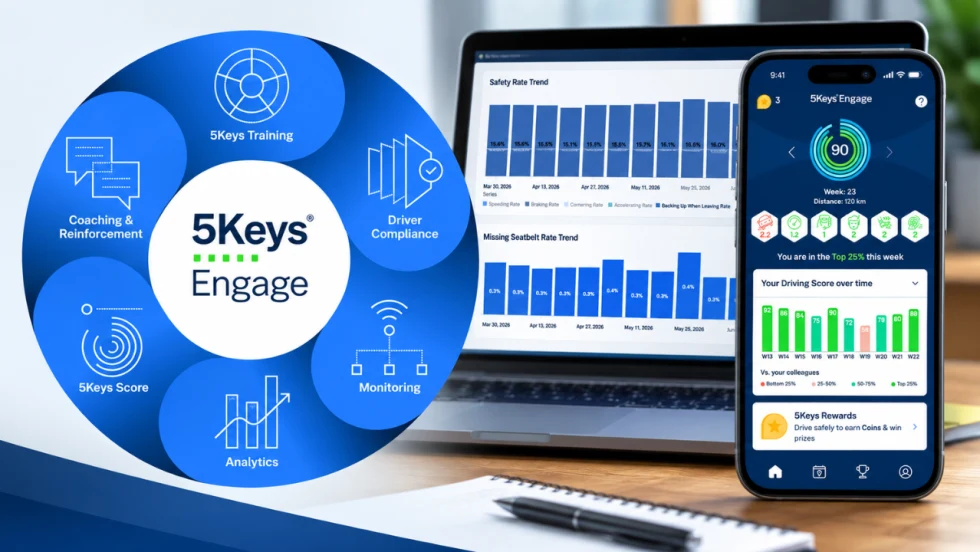
Smith System Says Small Fleets Need a Safety Cadence Not More Data
Smith System’s new Driver Risk Management program aims to help smaller fleets turn telematics and camera data into a repeatable coaching process without building a dedicated safety department.
Read More →
Dash Cams May Be Doing More Than Protecting Your Fleet Vehicles
Dash cams and GPS tracking may do more than improve safety. New survey findings link fleet technology to driver protection, employee retention, and customer confidence.
Read More →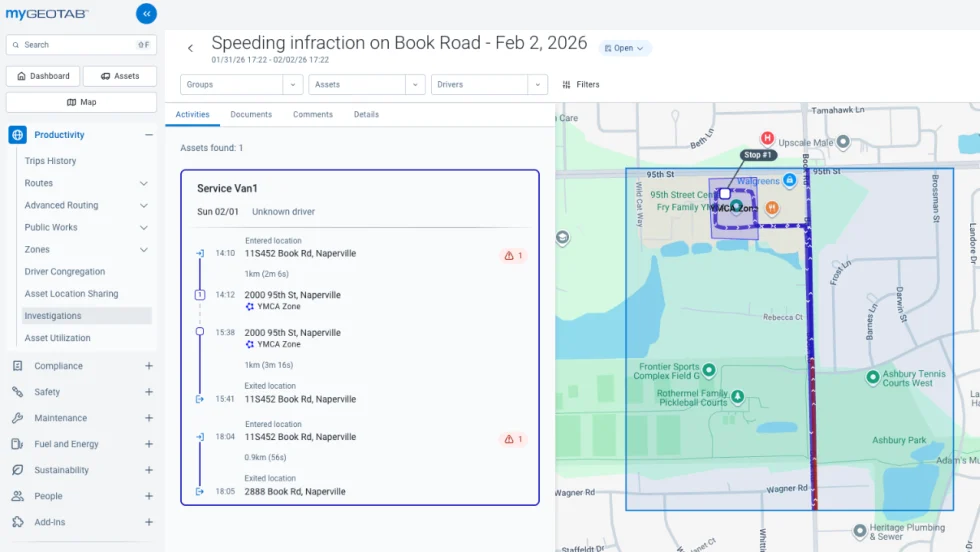
Geotab Adds Investigation Tools to Cut the Post-Incident Paper Chase
When a company vehicle is involved in a crash or complaint, Geotab Investigations brings telematics data, photos, reports, and other records into one case workflow.
Read More →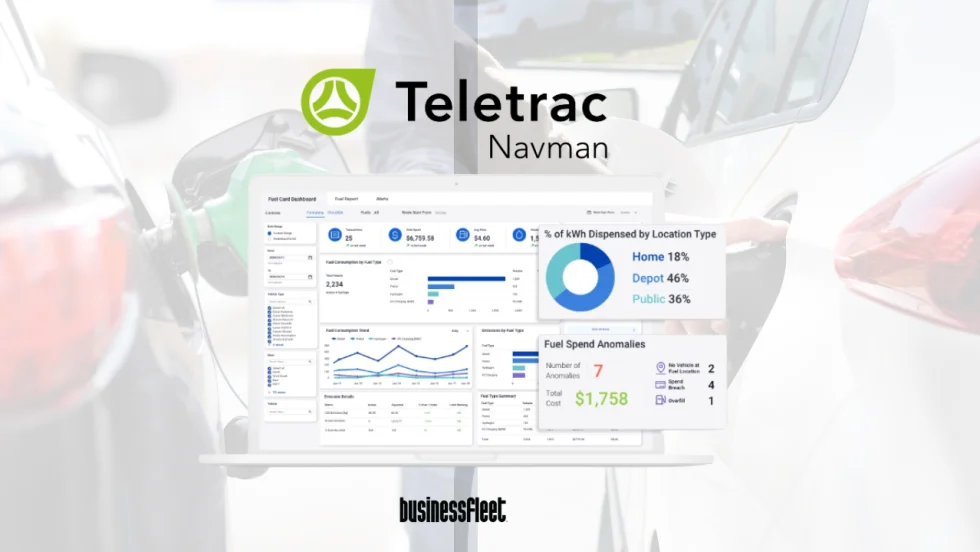
Teletrac Navman Adds Mixed-Energy Tracking to TN360
Energy Hub combines fuel card data, EV charging activity, reimbursements, and vehicle energy use in one dashboard for fleets operating gasoline, hybrid, and electric vehicles.
Read More →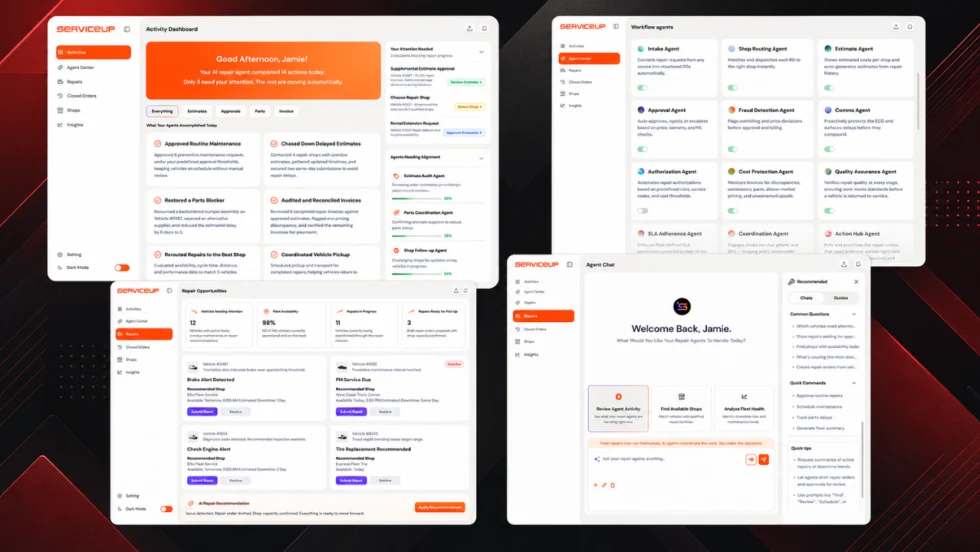
ServiceUp Brings Automated Repair Coordination to Small Fleet Operators
New AI repair agents handle shop calls, estimate reviews, status checks, and invoice validation so business owners can spend less time coordinating vehicle repairs.
Read More →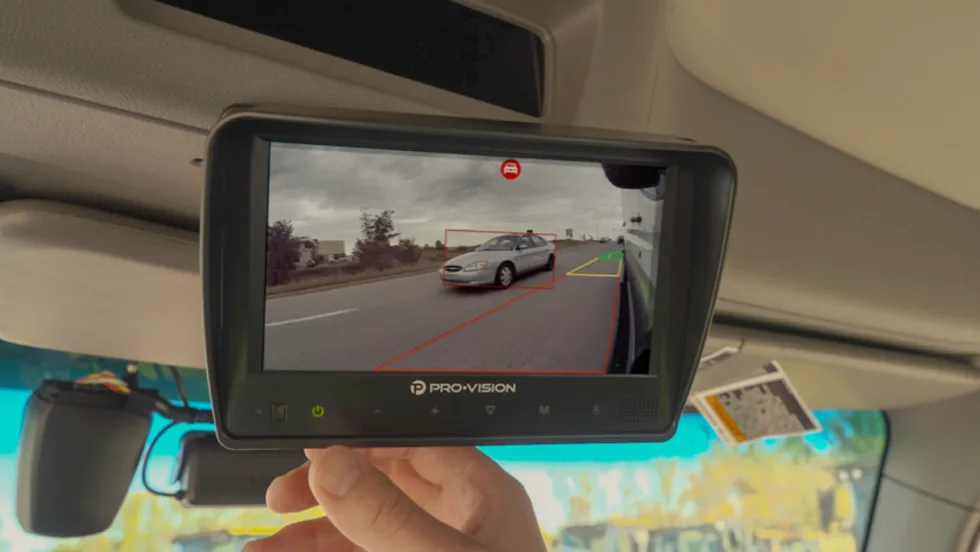
Pro-Vision Expands AI Fleet Safety Beyond the Cab
Pro-Vision's new AI camera and processing module extend real-time exterior hazard detection while integrating with leading fleet telematics platforms.
Read More →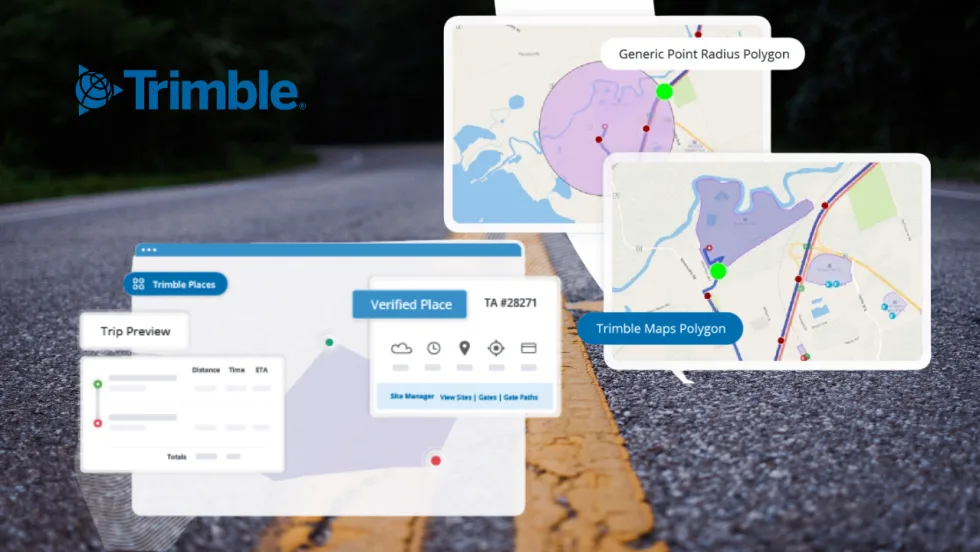
Trimble to Add Hotel Booking Capabilities to Fleet Products Through Engine Partnership
Trimble is adding hotel-booking capabilities to its fleet tools, helping drivers and small fleets find lodging faster during trips and breakdowns.
Read More →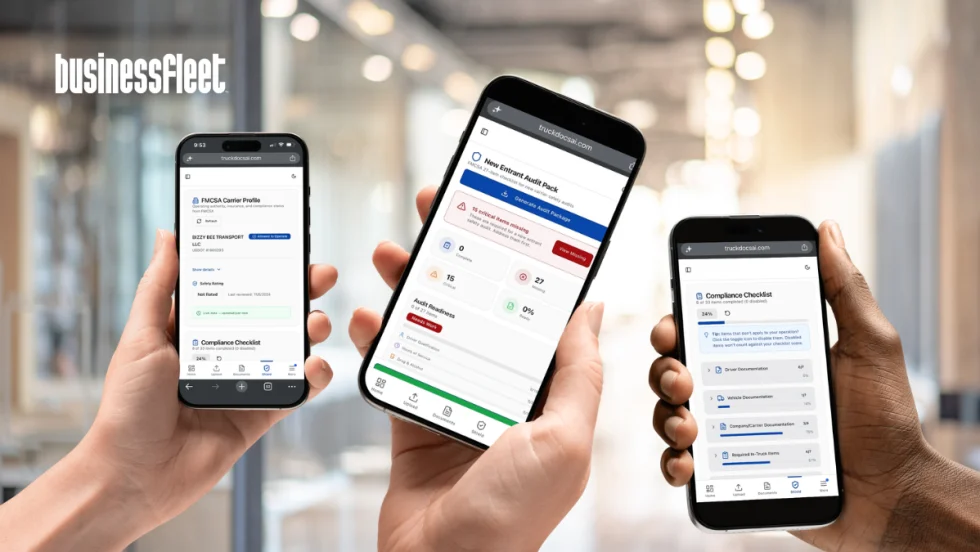
TruckDocsAI Launches AI-Powered Compliance Platform for Owner-Operators and Small Fleets
Can AI simplify DOT compliance? TruckDocsAI launches a new platform for owner-operators and small fleets facing audit pressures.
Read More →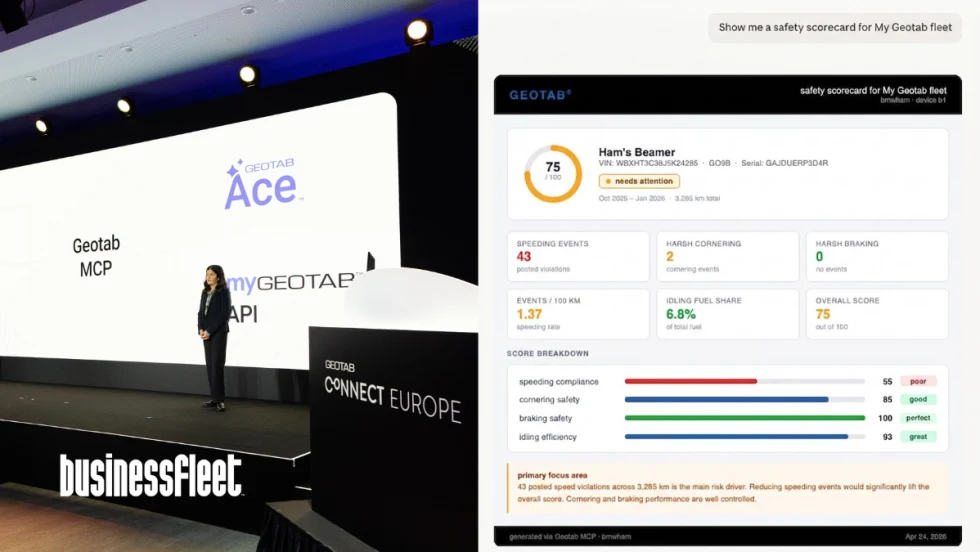
Geotab Says Fleet AI Success Depends More on Data Than the AI Model Itself
Geotab's new AI connector links fleet data with ChatGPT and other platforms, helping organizations turn AI investments into business results.
Read More →