


Got Compliance? DOT GVWR Questions Answered
How does weight rating versus actual weight work, and when can an enforcement officer operate off actual vehicle weight? How does renting impact DOT regulations? Stay compliant by following these guidelines.
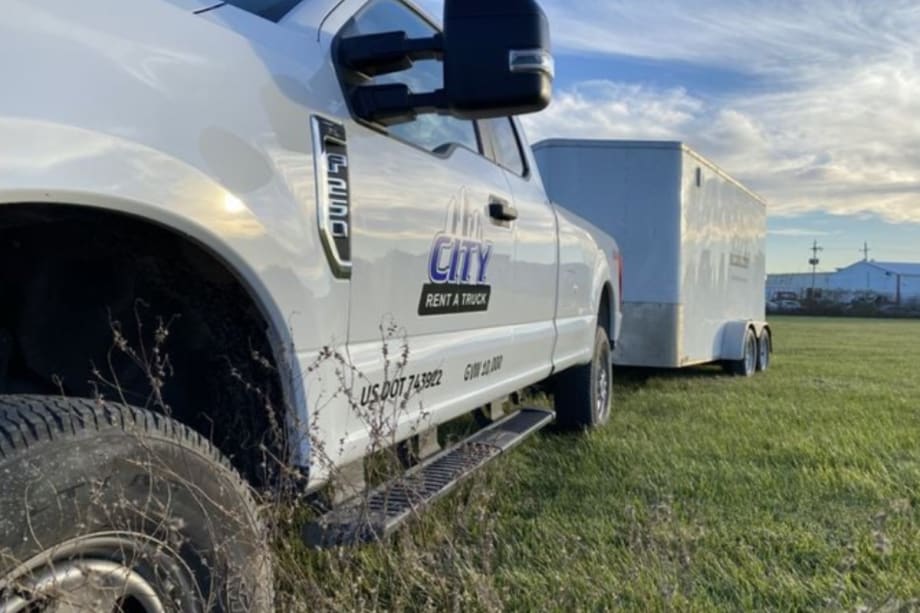
A pickup truck does not need a DOT number if its GVWR is fewer than 10,000 lbs. But the truck would be subject to the FMCSA rules if is pulling a trailer and the combined weight exceeds 10,000 lbs.
Photo: City Rent a Truck
Maneuvering through the Federal Motor Carrier Safety Administration (FMCSA) and the Department of Transportation (DOT) can be an intimidating task. While balancing federal and state regulations are difficult, they’re necessary. DOT regulation keeps our roads in good shape, our citizens safe, and business operations dependable.
However, if you choose to disregard the rules outlined by the FMCSA, roadside fines ranging from hundreds to several thousands of dollars can be applied. Based upon the infringement, the driver could be personally ticketed or arrested, and the vehicle could be towed and impounded. These infractions often lead to more in-depth audits that uncover additional violations and supplemental fines.
This article will help you understand when you need a DOT number and answer common questions to keep you compliant.
When is a DOT Number Required?
A DOT number is a unique eight-digit number following “US DOT” on the side of a truck that is assigned to each company. The FMCSA assigns these codes to registered commercial vehicles.
A DOT number is required if you plan on performing any of the following tasks with a commercial vehicle:
If you have a vehicle with a gross vehicle weight rating (GVWR) of 10,001 lbs. or more.
If you are being paid to transport 9 to 15 people.
If you are operating a vehicle that can haul 16 or more people.
If you are hauling hazardous materials.
If you drive a commercial vehicle on interstate routes.
If you rent a vehicle with a GVWR of over 10,001 lbs. for over 28 days without closing the contract.
It is important to note that DOT rules can vary extensively from state to state, so it is imperative to remain in the loop for DOT regulation within your home state as well as any other state in which your fleet travels.
The best way to combat hefty fines, sanctions, or company shutdowns is to be informed. Answers to the questions below will help to ensure your fleet is compliant in all commercial activity.
Questions Answered to Stay Compliant
How does weight rating versus actual weight work?
Even if your actual weight is under 10,000 lbs. GVWR, it doesn't matter: The weight rating takes precedence. If your vehicle is rated for over 10,000 lbs. GVWR, then it needs a DOT number.
However, there are situations in which an enforcement officer can operate off actual weight.
One example would be an aftermarket modification to a vehicle. Let's say an individual performed an upfit to a half-ton truck with a GVWR of 7,000 lbs. that enabled the vehicle to reach a total loaded weight of over 10,000 lbs. An enforcement officer is allowed to move forward using the vehicle's actual weight rather than what it was initially rated for.
Does a pickup truck under 10,000 lbs. GVWR need a DOT number?
No. However, be mindful of the combined weight rating if the truck is pulling a trailer.
For example, a half-ton truck with a GVWR of 7,000 lbs. does not need a DOT number. But if that truck is pulling a trailer with a GVWR of 3,001 lbs., it would be subject to the FMCSA rules.
Do farm trucks need DOT numbers?
Many states do not require farm trucks to have a DOT number for "intrastate operations." If the truck crosses state lines, it is considered to be in "interstate commerce," and USDOT registration is required.
What about landscaping vehicles that don't drive along roadways?
Even if the vehicle is not technically driving on public roadways, your state may still consider it a commercial vehicle.
In most states, a DOT number is required for a landscape vehicle. If a truck from a state that doesn't require DOT numbers crosses state lines into a territory that does, drivers could be subject to a hefty fine, even for a first offense.
What about a commercial vehicle that leaves the state for personal use?
If a driver is operating the vehicle in the direction of the motor carrier, crossing state lines is considered "interstate commerce," and the vehicle is subject to the FMCSA.
However, if the motor carrier allows the driver to use the vehicle for personal private transportation that crosses state lines, then the transportation is not regulated by the FMCSA.
How can I apply for a DOT number?
The actual application process is outlined very well on the FMCSA's website (www.fmcsa.dot.gov/registration). If applying for the first time, you can count on writing at least a $300 check. The actual application takes anywhere from 25 to 90 days for approval.
How does renting impact DOT regulations?
The entire DOT process can be an intimidating one. By reaching out to a truck rental or leasing facility, you remove a portion of your legal, clerical, and financial exposure that coincide with the authorization from the Department of Transportation.
Using trucks from a third party means that they are responsible for a portion of DOT adherence on their trucks, which alleviates many potential headaches that DOT litigation can create.
If an organization decides to lease a vehicle for over 28 days, without closing and opening a new contract with the asset provider, then the lessee is required to display their own DOT number. Any rental period under 28 days allows the lessor to display their organization's DOT.
Cody Swartz, Andrew Montanino, and Shaefer Schuetz are rental representatives at City Rent A Truck, a family-owned truck and van rental operation that specializes in helping businesses right-size their fleets.
The original version of this story appeared in the November/December 2020 issue of Business Fleet.
Originally posted on Automotive Fleet
More Safety
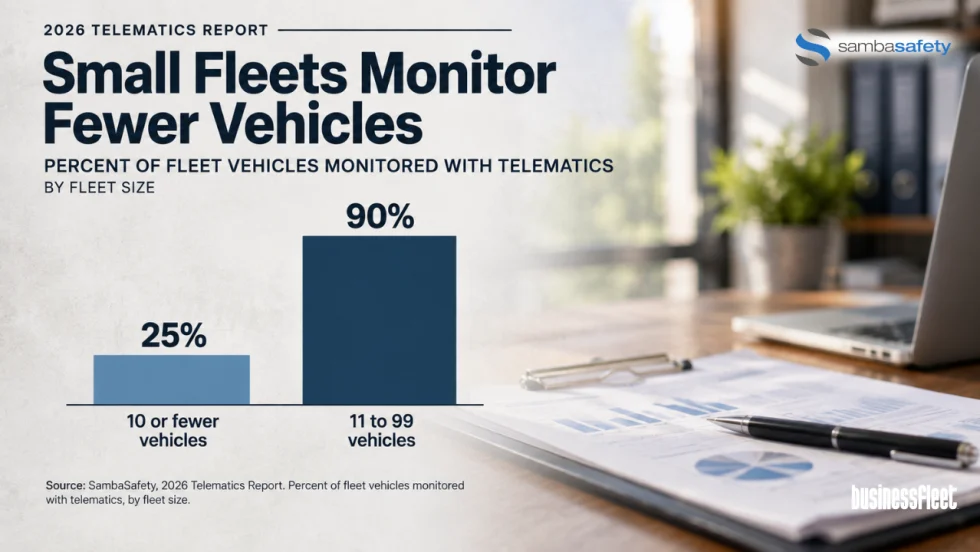
Small Fleets Lag in Telematics Coverage as Industry Moves Beyond Adoption
SambaSafety’s 2026 Telematics Report finds fleets with 10 or fewer vehicles monitor a much smaller share of their vehicles than larger operations, as the industry shifts its focus from collecting data to using it.
Read More →
Back-to-School Traffic Is Not the Risk Fleets Think It Is
Back-to-school traffic does not always mean more crashes. New Empiric Earth data shows why fleets should focus on when and where risk changes.
Read More →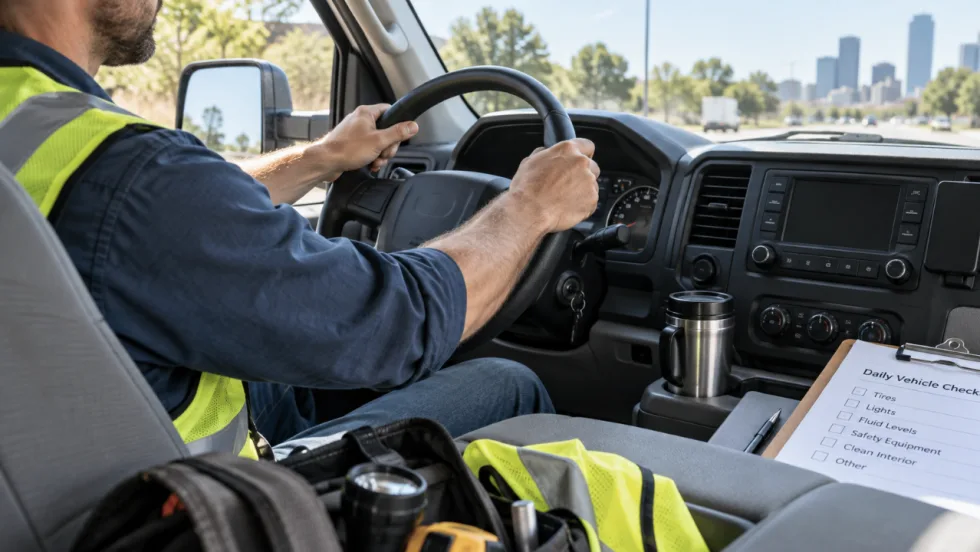
Small Fleet, Big Exposure: How to Reduce Workers’ Comp Risks
For small fleets, one crash can trigger far more than vehicle damage. Here’s how stronger driver safety policies, training, maintenance, and technology can help reduce workers’ comp exposure.
Read More →
Who Makes the Call When Winter Weather Gets Dangerous?
Winter weather can quickly change a small fleet’s plans. Knowing when to reroute, delay, or stop can matter just as much as preparing the vehicles themselves.
Read More →
API Issues Refueling Safety Guidelines
The American Petroleum Institute offers a list of safe vehicle refueling guidelines, including ways to avoid potential problems with static electricity discharges in fall, winter, and early spring.
Read More →
Winter Fleet Prep: Expert Tips to Keep Vehicles Running Smoothly
Cold weather can expose weak batteries, tires, fuel systems, and maintenance gaps fast. Use this winter fleet checklist to prepare trucks and drivers before temperatures drop.
Read More →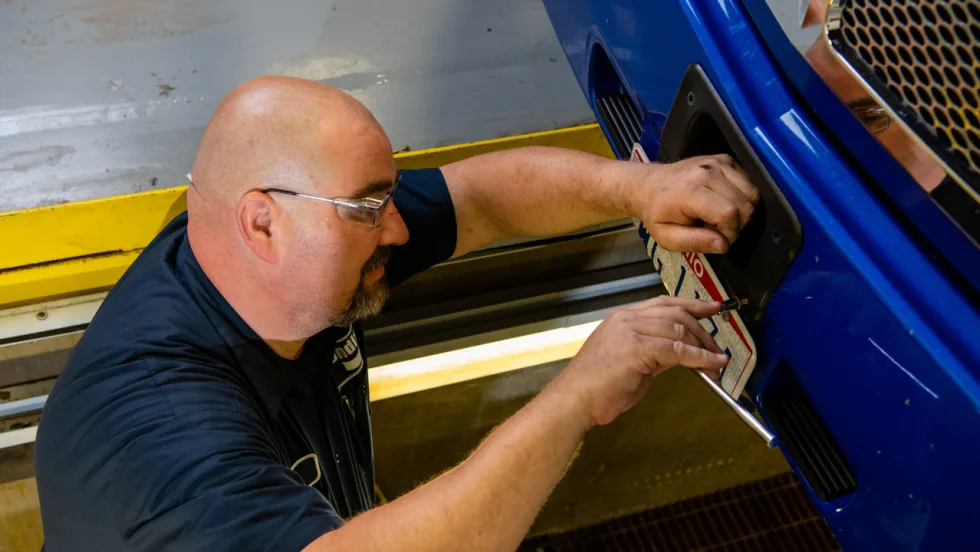
8 ADAS Maintenance Tips for Small Business Fleets From Bendix
A dirty camera, bad alignment, or one loose connection could quietly knock your fleet’s ADAS offline. Here’s what Bendix says to check.
Read More →
Developing Budget-Friendly Driver Safety Programs
From driver training and safety meetings to one-on-one coaching and incentive programs, several small fleets share how they have developed a safety culture with their drivers using low- to no-cost resources.
Read More →
A 20-Minute Safety Check for Small Fleets Before Operation Safe Driver Week
No safety department? No problem. Here's a practical checklist small fleet managers can use before Operation Safe Driver Week begins.
Read More →
Why Small Fleets Keep Getting Tripped Up by ELD Compliance
Roadcheck revealed a hard truth: most ELD violations aren't intentional. They're caused by small mistakes that can cost fleets time, money, and trust.
Read More →