



Fleet Tips: Developing Budget-Friendly Driver Safety Programs
API Issues Refueling Safety Guidelines
The American Petroleum Institute offers a list of safe vehicle refueling guidelines, including ways to avoid potential problems with static electricity discharges in fall, winter, and early spring.
August 31, 2026

Static electricity can build during refueling and, in rare cases, ignite gasoline vapors. Fleet drivers can reduce the risk by staying outside the vehicle while fueling and following basic pump safety practices.
Credit:
This image was generated with OpenAI. Please refer to our terms of use.
3 min to read
Static electricity-related fires at fueling stations are rare, but the risk can increase when conditions are cool and dry. For fleet drivers who spend more time at the pump than the average motorist, following a few basic refueling practices can help reduce the chance of a static discharge or other fueling-related incident.
The American Petroleum Institute offered a list of safe vehicle refueling guidelines, including ways to avoid potential problems with static electricity discharges in fall, winter and early spring.
One of the most important precautions is simple: Do not get back into the vehicle while refueling.
Entering and exiting a vehicle can allow static electricity to build up, particularly in dry conditions. If a driver then reaches for the nozzle or fuel-fill area without first discharging that static electricity, a spark could ignite gasoline vapors near the fill point.
If a driver must re-enter the vehicle while fueling, they should touch a metal part of the vehicle away from the fuel-fill opening before returning to the nozzle.
Safe Refueling Practices for Fleet Drivers
Fleet managers can reinforce these basic fueling procedures with drivers:
- Turn off the vehicle engine before refueling.
- Place the vehicle in park and set the parking brake.
- Do not smoke or use matches or lighters near the fueling area.
- Do not get back into the vehicle while fuel is being dispensed.
- Use only the hold-open latch provided on the fuel nozzle. Never use another object to keep the nozzle open.
- Do not overfill or top off the fuel tank.
- Stay near the vehicle and monitor the fueling process.
What to Do if a Fire Starts
If a fire occurs while refueling, drivers should not attempt to remove the nozzle from the vehicle. Instead, back away from the vehicle and immediately alert the station attendant so the pumps can be shut down using the facility's emergency controls.
At an unattended fueling location, drivers should use the emergency fuel shut-off and call for emergency assistance.
Filling Portable Fuel Containers Safely
Portable gasoline containers also require additional precautions. Use only an approved fuel container and always place it directly on the ground before filling. Portable containers should not be filled while inside a vehicle, trunk, pickup bed, or trailer.
Keeping the container on the ground helps reduce the possibility of static electricity igniting fuel vapors.
For fleet managers, these procedures are simple enough to incorporate into driver safety meetings, fueling policies, and new-driver training. Static-related incidents may be uncommon, but consistent fueling habits can help keep a routine stop at the pump from becoming a preventable safety event.
Editor’s note: This article was originally published in January 2001 based on tips from API and has been updated with current refueling safety guidance to make sure the information remains relevant for today’s fleets and drivers.
Originally posted on Work Truck Online
More Safety

Small Fleets Lag in Telematics Coverage as Industry Moves Beyond Adoption
SambaSafety’s 2026 Telematics Report finds fleets with 10 or fewer vehicles monitor a much smaller share of their vehicles than larger operations, as the industry shifts its focus from collecting data to using it.
Read More →
Back-to-School Traffic Is Not the Risk Fleets Think It Is
Back-to-school traffic does not always mean more crashes. New Empiric Earth data shows why fleets should focus on when and where risk changes.
Read More →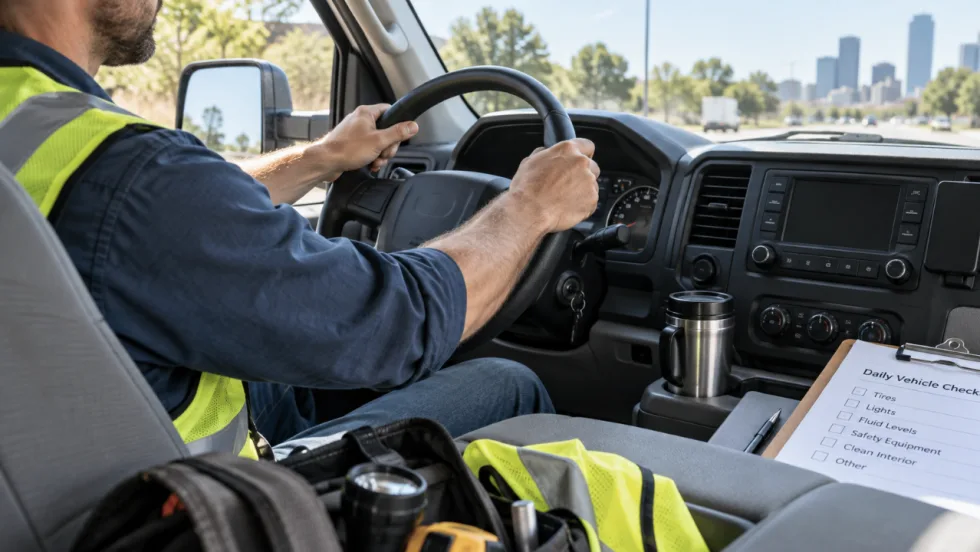
Small Fleet, Big Exposure: How to Reduce Workers’ Comp Risks
For small fleets, one crash can trigger far more than vehicle damage. Here’s how stronger driver safety policies, training, maintenance, and technology can help reduce workers’ comp exposure.
Read More →
Who Makes the Call When Winter Weather Gets Dangerous?
Winter weather can quickly change a small fleet’s plans. Knowing when to reroute, delay, or stop can matter just as much as preparing the vehicles themselves.
Read More →
Winter Fleet Prep: Expert Tips to Keep Vehicles Running Smoothly
Cold weather can expose weak batteries, tires, fuel systems, and maintenance gaps fast. Use this winter fleet checklist to prepare trucks and drivers before temperatures drop.
Read More →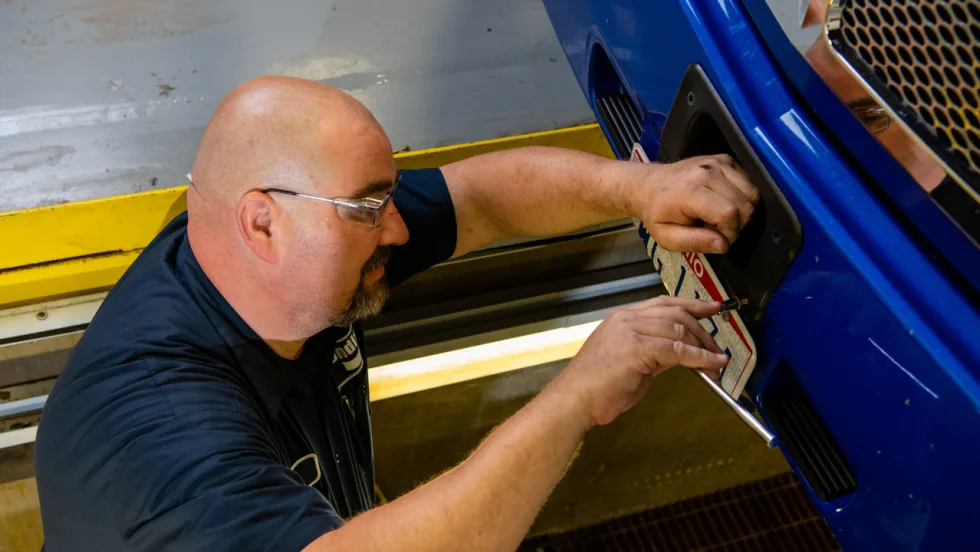
8 ADAS Maintenance Tips for Small Business Fleets From Bendix
A dirty camera, bad alignment, or one loose connection could quietly knock your fleet’s ADAS offline. Here’s what Bendix says to check.
Read More →
Developing Budget-Friendly Driver Safety Programs
From driver training and safety meetings to one-on-one coaching and incentive programs, several small fleets share how they have developed a safety culture with their drivers using low- to no-cost resources.
Read More →
A 20-Minute Safety Check for Small Fleets Before Operation Safe Driver Week
No safety department? No problem. Here's a practical checklist small fleet managers can use before Operation Safe Driver Week begins.
Read More →
Why Small Fleets Keep Getting Tripped Up by ELD Compliance
Roadcheck revealed a hard truth: most ELD violations aren't intentional. They're caused by small mistakes that can cost fleets time, money, and trust.
Read More →
Before the Fireworks Start Small Fleets Should Review Their Cargo Security Plans
Long holiday weekends create prime conditions for cargo theft. Here's what small fleet operators should review before the Fourth of July.
Read More →