


How Fleets are Keeping Driver Safety in Check
Closely addressing the perennial concerns of fleet safety is an area that has been essential to many successful fleets over the years, not just with the adoption of telematics solutions that help monitor driver behaviors, but also the incorporation of more advanced driver-assistance system (ADAS) equipped vehicles.


Closely addressing the perennial concerns of fleet safety is an area that has been essential to many successful fleets over the years.
[EMPTY CREDIT]
Closely addressing the perennial concerns of fleet safety is an area that has been essential to many successful fleets over the years, not just with the adoption of telematics solutions that help monitor driver behaviors, but also the incorporation of more advanced driver-assistance system (ADAS) equipped vehicles.
Fortunately for fleets, ADAS technologies have become increasingly standard on base-level trims of more recent model-year vehicles. Indeed, Alex May, senior manager of fleet at Rollins, Inc., said that approximately 60% of his fleet is now equipped with ADAS tech.
However, one of his biggest challenges with introducing ADAS equipped vehicles is making sure drivers understand how the technology works, with an emphasis on clarifying that these technologies are designed to support good driving behaviors, not serve as a substitute for their driving capabilities.

Alex May
[EMPTY CREDIT]
“They’re called assistance systems; they’re not replacement systems for drivers,” he said. “There are times where these systems may not work properly, and so the drivers just have to be just as aware on the road.”
Also important, May said, is for his drivers to embrace these systems, and not few them as irksome distractions.
“We want to make sure they’re not turning the systems off, whether this is because the system makes beeping noises or maybe something else that just annoys the driver,” he said.
While May has found successes in his fleet by ensuring these safety technologies are made increasingly available to his drivers, he said he hopes that telematics data will one day be able to collect additional information on driver behavior through the ADAS technologies, as means to further improve fleet safety.
“At this point, telematics systems don’t really have the ability to talk to the vehicle from the standpoint of the ADAS systems,” he said. “All of the things that we develop our scorecard from, through telematics, we really can’t see that from the ADAS systems at this time. I think if we could tap into the ADAS technology we could look deeper into driver behavior. This I believe, could help us pin-point and correct bad driving habits and possibly prevent accidents before they happen.”

Marca Brown
[EMPTY CREDIT]
Marca Brown, manager - fleet optimization, DTE Energy, also noted that safety was critical to her fleet’s success during modernization efforts she spearheaded.
“Safety is always the top priority at DTE, and we’re proudest of what we’ve done not only to standardize our fleet specs, but to also make vehicles as safe as possible,” she said. “We like to give our drivers the safest vehicles that fit within DTE standards, that includes taking ideas from our FMC partner, our upfitters, drivers, and our internal business unit partners and converting them to vehicles that allow our drivers to do their job safely and effectively.”
DTE’s vehicles have standardized ADAS safety options, such as backup or cross traffic monitors, lane departure, pre-collision assist, blind spot information, and auto high beam. Similar to May of Rollins, educating drivers about the solutions made available on fleet vehicles is a critical part of her fleet processes.

Aleece Beaulieu
[EMPTY CREDIT]
“In addition, because some of these technologies are new to our drivers, we are in the process of creating a series of videos that demonstrate the new technology, how to use it, and how to make sure it’s operational,” she said.
Last year’s 2020 Fleet Visionary of the Year winner, Aleece Beaulieu, senior program manager, transportation Genentech, echoed sentiments about how safety was a major factor to recent successes she has seen with her fleet.
“We partnered with our environmental health and safety partners to complete a risk assessment as to why drivers were getting into accidents, with the goal to reduce our accident rate,” Beaulieu said. “The results supported adding more safety technology features to our vehicles as standard during the ordering process. So now, these features are considered standard for any new vehicle orders.”
Originally posted on Automotive Fleet
More Safety

Clocks Fall Back Nov. 1. Is Your Fleet Ready for Earlier Darkness?
Clocks fall back Nov. 1. Help your fleet prepare for earlier darkness with quick checks for driver visibility, schedules, fatigue, and seasonal road hazards.
Read More →
Tips for Driving Safely on Halloween Night
This video features a reminder from the Connecticut Department of Transportation (DOT) and the Connecticut Police Chiefs Association, urging drivers to prioritize safety this Halloween.
Read More →
Mercedes Benz Tests CLA Occupant and Battery Protection in Side Impact Crash
Two CLA sedans traveling at 35 mph were used in a Mercedes-Benz crash test examining occupant protection and electric vehicle battery safety.
Read More →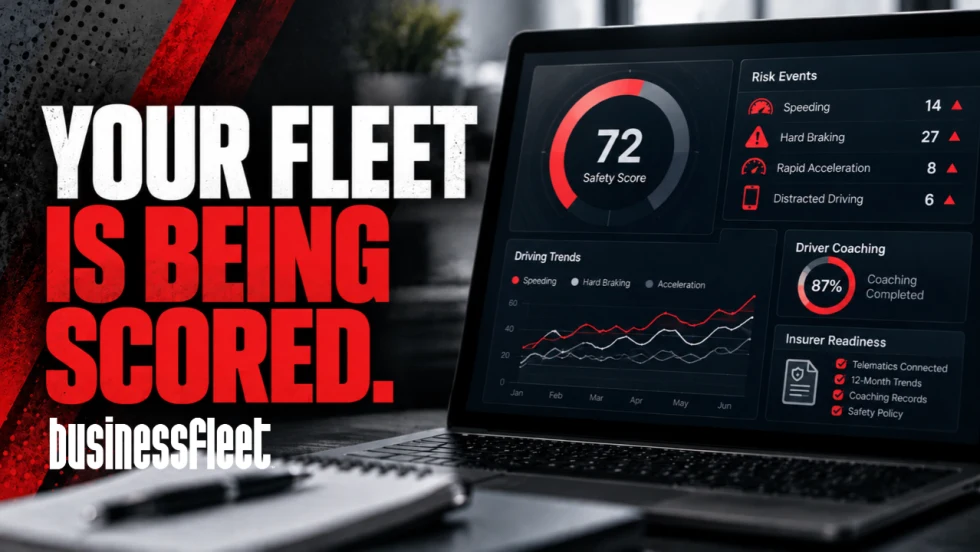
How Technology Can Help Fleet Owners Improve Insurability
Your fleet's telematics data could be the difference between getting insurance coverage and facing higher premiums or non-renewal. Here's what insurers are looking for and how fleets can use that data to make a stronger case at renewal.
Read More →
Simple Tire Checks That Help Keep Your Business Fleet Moving
A survey found that nearly one in every 10 passenger vehicles has at least one bald tire. What's more, 27% -- more than one in four -- of vehicles are driven with one or more severely under-inflated tires.
Read More →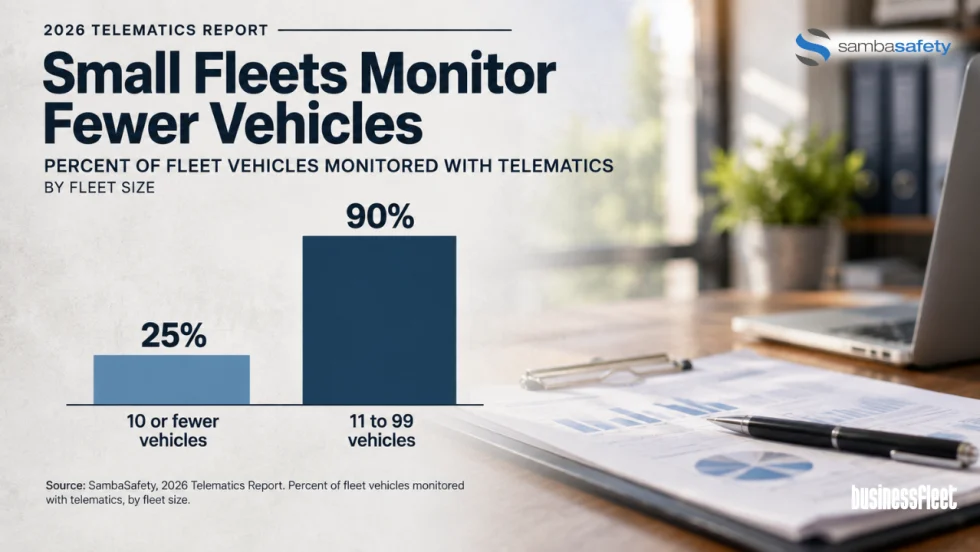
Small Fleets Lag in Telematics Coverage as Industry Moves Beyond Adoption
SambaSafety’s 2026 Telematics Report finds fleets with 10 or fewer vehicles monitor a much smaller share of their vehicles than larger operations, as the industry shifts its focus from collecting data to using it.
Read More →
Back-to-School Traffic Is Not the Risk Fleets Think It Is
Back-to-school traffic does not always mean more crashes. New Empiric Earth data shows why fleets should focus on when and where risk changes.
Read More →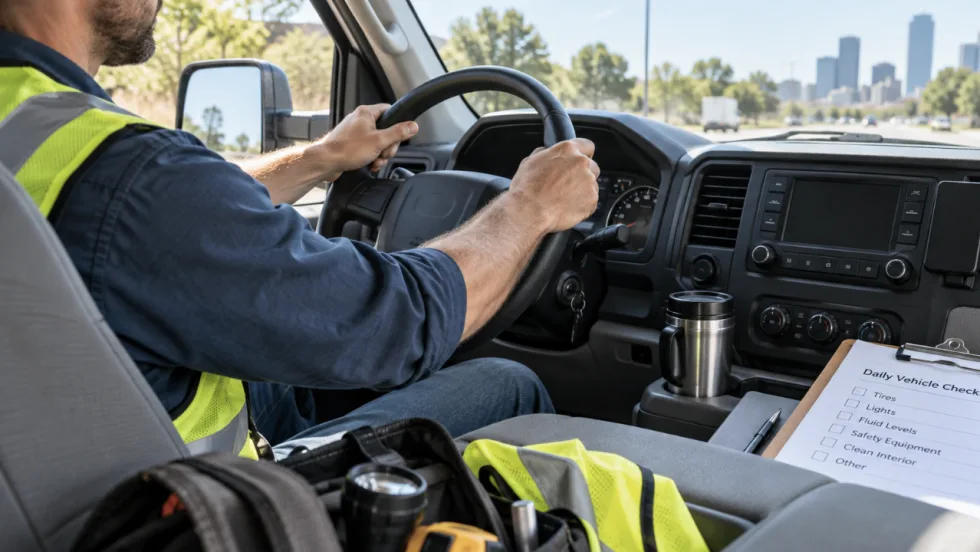
Small Fleet, Big Exposure: How to Reduce Workers’ Comp Risks
For small fleets, one crash can trigger far more than vehicle damage. Here’s how stronger driver safety policies, training, maintenance, and technology can help reduce workers’ comp exposure.
Read More →
Who Makes the Call When Winter Weather Gets Dangerous?
Winter weather can quickly change a small fleet’s plans. Knowing when to reroute, delay, or stop can matter just as much as preparing the vehicles themselves.
Read More →
API Issues Refueling Safety Guidelines
The American Petroleum Institute offers a list of safe vehicle refueling guidelines, including ways to avoid potential problems with static electricity discharges in fall, winter, and early spring.
Read More →