


No Need to Speed: Speeding: Top Causes, Tough Consequences
How to Avoid Rear-End Collisions
Speeding and tailgating amplify your fleet drivers' chances of a collision. Here are steps to avoid an incident.
by Judie Nuskey
April 10, 2023
Speeding increases the distance you travel between the time you spot a problem and the time you react.
Photo: Canva/Automotive Fleet
6 min to read
When you tailgate, you reduce the time and space available to you in the event of an emergency or unexpected event. If the driver in front of you is forced to slam on the brakes — for instance, because traffic slowed but he or she wasn’t paying attention, or because an animal darted into the road — you’ll have less time to react and less space to travel before colliding. If you’re distracted behind the wheel and you’re tailgating, the situation becomes even more dangerous.
Speeding was a factor in 29% of all traffic fatalities in 2020, killing 11,258, or an average of over 30 people per day according to the National Highway Safety Administration. Yet there’s still pressure to raise speed limits in many areas — and research shows a higher limit leads to travel speeds increasing, more drivers exceeding the limit, more overall crashes, and more fatal crashes. Even as limits go up, speeding remains on the rise and represents a major contributor to crashes. What’s causing many motorists to drive ever faster?
Traffic congestion: When stuck in traffic and falling behind schedule, you may become more aggressive behind the wheel once traffic lightens. Speeding is just another form of aggressive driving.
The fast pace of life: We expect to move fast in every aspect of our modern lives, including driving.
The busyness of life: It’s common to pack too much into a single day, causing us to rush from one appointment, errand, or activity to another.
Anonymity: When you’re behind the wheel you can feel detached from other motorists, making it easier to engage in aggressive behaviors like speeding.
How & Why to Avoid Speeding
The faster you drive, the more likely you’ll crash and the more severe the effects, for three key reasons:
Speeding increases the distance you travel between the time you spot a problem and the time you react. For instance, at a speed of 70 mph, you’ll travel 100 yards in only three seconds (about as long as it takes to look at a cell phone and type in a password).
Speeding increases the distance you need to stop once you react to a problem.
As your speed increases, the crash energy rises exponentially. Accelerating from 40 mph to 60 mph is a 50% increase, but it raises the crash energy by 125% (IIHS). At high speeds, the level of energy is too great for the passenger compartment to withstand and for airbags, seat belts, and other vehicle systems to protect you.
The best solution is the simplest: Always obey the posted speed limit. A few additional best practices can help.
Allow plenty of time to get where you’re going. If you cut it close when building your schedule — or if you fail to plan — you’ll be tempted to speed.
Don’t increase your speed to keep up with other motorists.
Drive within the posted limit on dry roads, and slow down on wet roads or when visibility is reduced.
Tailgating & Rear-End Collisions
Rear-end crashes are the most frequently occurring type of collision. About 29% of all car crashes are rear-ended collisions. These crashes result in a substantial number of injuries and fatalities each year. One of the most common reasons a rear-end crash occurs is because the driver is following too close to the vehicle directly ahead, also known as tailgating.
Why does tailgating lead to crashes?
When you tailgate, you reduce the time and space available to you in the event of an emergency or unexpected event. If the driver in front of you is forced to slam on the brakes — for instance, because traffic slowed but he or she wasn’t paying attention, or because an animal darted into the road — you’ll have less time to react and less space to travel before colliding. If you’re distracted behind the wheel and you’re tailgating, the situation becomes even more dangerous.
How To Avoid Rear-End Collisions
The best way to avoid tailgating — and a rear-end collision — is to maintain a safe following distance behind the driver in front of you. A safe following distance gives you the time and space needed to react to trouble ahead of you, reducing your odds of a collision.
What’s a safe following distance? Always obey the three-second rule: On dry roads, stay three seconds behind the driver ahead of you. In the rain, increase it to six seconds, and in the snow, increase it to eight to ten seconds. It’s also a good idea to increase your following distance when visibility is reduced (such as at night or in the fog).
Use this method to calculate your following distance:
Choose a fixed object ahead of you on the road (e.g. a line on the road, a street sign, or a light post).
Once the driver in front of you passes the object, count how many seconds it takes you to pass that object. This is your following distance, in seconds.
Even if traffic volume is heavy, you should still aim to keep a safe distance behind the driver ahead of you. The three-second rule applies whether traffic is light or heavy, and on highways, in rural areas, and on city streets.
What if I'm Being Tailgated?
Even as speed limits increase, some drivers continue to accelerate above these limits. If you’re unfortunate enough to be driving in front of them, you’ll end up being tailgated.
Here’s the best way to respond to a tailgater, according to Dick Lambert, an Advanced Driver Training Services instructor, and former police officer.
First and foremost, don’t let another driver influence how you operate your vehicle. Maintain your safe driving habits and stay in control, regardless of what others do.
Don’t get stressed, angry, or otherwise emotional. Driving requires a clear, cool head.
Drive within the posted speed limit. Never increase your speed in response to a tailgater. No matter how fast you drive, they’re likely to keep increasing their speed.
Plan to move into another lane and out of the tailgater’s way. Use your turn signal to let the other driver know your intention.
In situations where you can’t move over (e.g., there is only one lane in either direction), find a safe place to turn off the road or pull over to the shoulder, to let the tailgater pass.
Until you’re able to move out of the way, increase your following distance from the typical three seconds (on dry roads) to five seconds. This gives you more room to escape to the front and reduces the odds of being rear-ended if traffic stops or slows abruptly.
Avoid tapping your brakes, making gestures, or doing anything else that might be viewed by the other driver as anger or aggression.
These simple safety tips can help you avoid these unsafe practices.
Originally posted on Automotive Fleet
More Safety
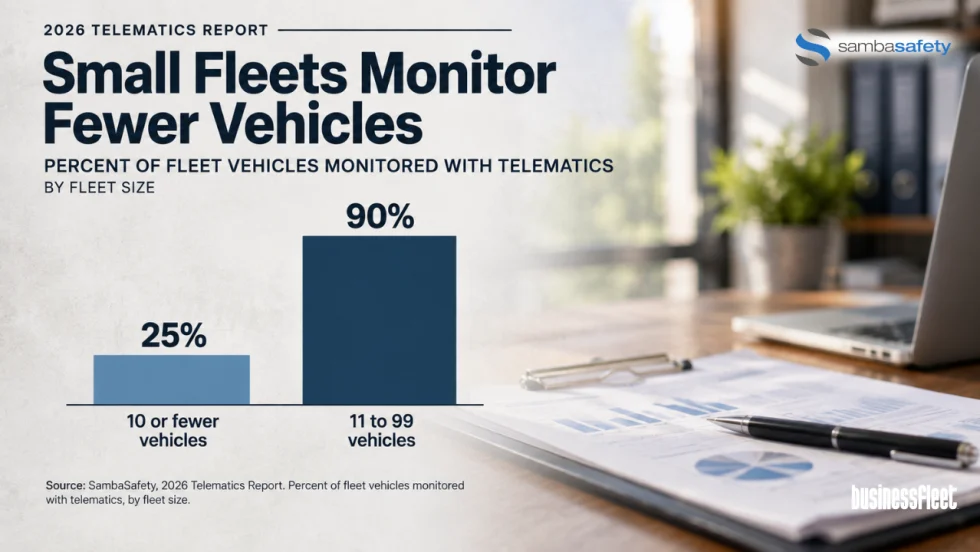
Small Fleets Lag in Telematics Coverage as Industry Moves Beyond Adoption
SambaSafety’s 2026 Telematics Report finds fleets with 10 or fewer vehicles monitor a much smaller share of their vehicles than larger operations, as the industry shifts its focus from collecting data to using it.
Read More →
Back-to-School Traffic Is Not the Risk Fleets Think It Is
Back-to-school traffic does not always mean more crashes. New Empiric Earth data shows why fleets should focus on when and where risk changes.
Read More →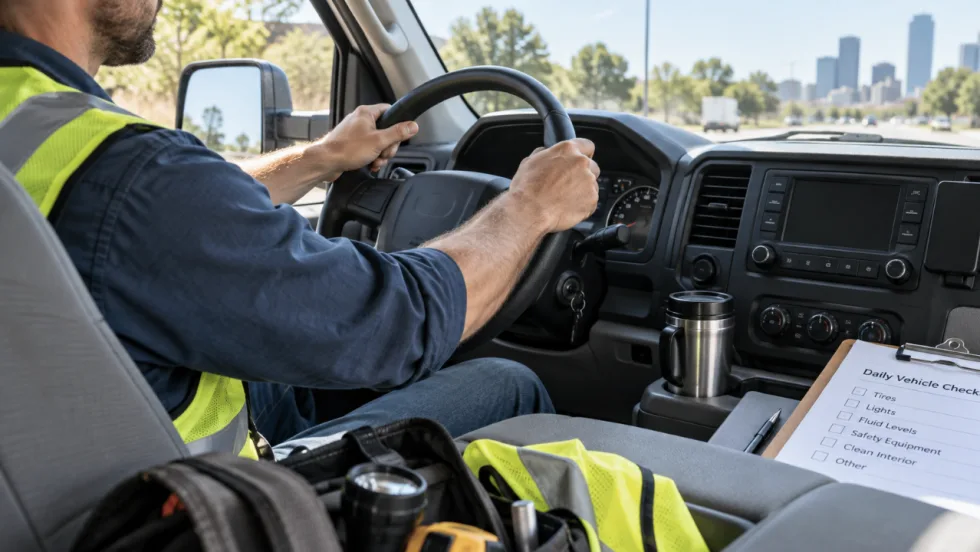
Small Fleet, Big Exposure: How to Reduce Workers’ Comp Risks
For small fleets, one crash can trigger far more than vehicle damage. Here’s how stronger driver safety policies, training, maintenance, and technology can help reduce workers’ comp exposure.
Read More →
Who Makes the Call When Winter Weather Gets Dangerous?
Winter weather can quickly change a small fleet’s plans. Knowing when to reroute, delay, or stop can matter just as much as preparing the vehicles themselves.
Read More →
API Issues Refueling Safety Guidelines
The American Petroleum Institute offers a list of safe vehicle refueling guidelines, including ways to avoid potential problems with static electricity discharges in fall, winter, and early spring.
Read More →
Winter Fleet Prep: Expert Tips to Keep Vehicles Running Smoothly
Cold weather can expose weak batteries, tires, fuel systems, and maintenance gaps fast. Use this winter fleet checklist to prepare trucks and drivers before temperatures drop.
Read More →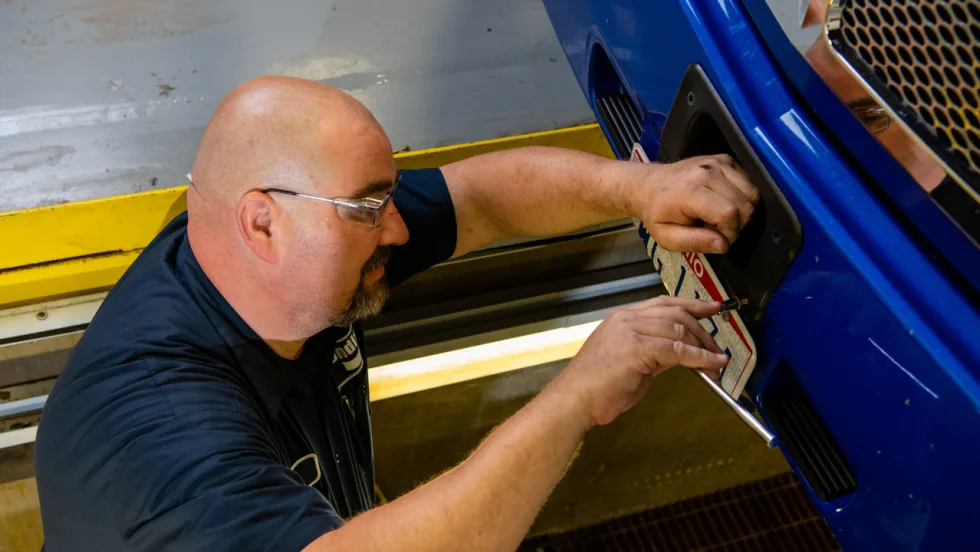
8 ADAS Maintenance Tips for Small Business Fleets From Bendix
A dirty camera, bad alignment, or one loose connection could quietly knock your fleet’s ADAS offline. Here’s what Bendix says to check.
Read More →
Developing Budget-Friendly Driver Safety Programs
From driver training and safety meetings to one-on-one coaching and incentive programs, several small fleets share how they have developed a safety culture with their drivers using low- to no-cost resources.
Read More →
A 20-Minute Safety Check for Small Fleets Before Operation Safe Driver Week
No safety department? No problem. Here's a practical checklist small fleet managers can use before Operation Safe Driver Week begins.
Read More →
Why Small Fleets Keep Getting Tripped Up by ELD Compliance
Roadcheck revealed a hard truth: most ELD violations aren't intentional. They're caused by small mistakes that can cost fleets time, money, and trust.
Read More →Subscribe to Our Newsletter