



Related: How Fleets Source Replacement Parts
Thinking About Bringing Maintenance In-House? Think Again
In any DIY maintenance plan, small fleets must consider not-so-obvious issues such as waste disposal, permitting, maintaining parts inventories, and liability.
June 12, 2018
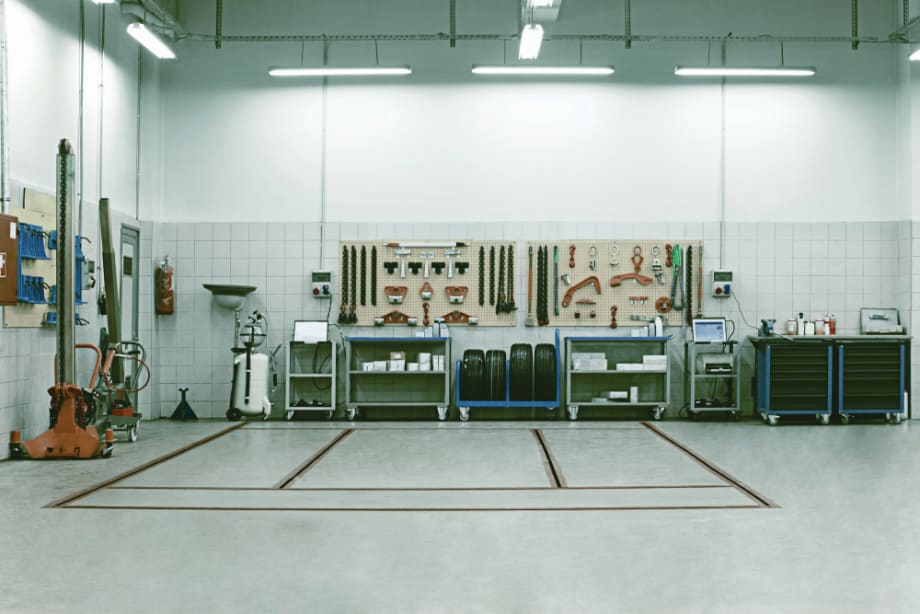
An in-house fleet maintenance program has its benefits, but fleet owners should keep various costs and considerations in mind before making the jump.
7 min to read
- Small fleets exploring in-house maintenance need to consider waste disposal and associated regulations.
- Proper permitting is essential for small fleets managing their own maintenance operations.
- In-house maintenance requires effective management of parts inventories and understanding liability issues.
*Summarized by AI
Those vehicle service and repair bills keep piling up, and the rates you’re being charged by maintenance facilities, third-party mechanics, and quick-lube centers are going up along with them. As a small fleet operator, you’ve probably asked this question more than once: Should I bring my vehicle maintenance — or at least part of it — in house?
There are some larger considerations that will answer that question, such as size, makeup, and location of the fleet, type of maintenance and repairs to perform, equipment costs, and access to appropriate space. Other considerations — factors such as vetting qualified technicians, waste disposal, permitting, parts inventories, and liability issues — aren’t so obvious.
As small fleet operators span myriad industries with multiple vehicle types and use cases, Business Fleet can’t cover everything in your decision-making process in taking maintenance in house. That being said, here are a few variables to consider when deciding to handle any maintenance yourself.
Dealing with Space Issues
A small fleet domiciled in one location would lend itself more readily to in-house maintenance. If you’re calculating 95% uptime on your fleet of say, 35 units, then two or three of them will be out of service at any one time for routine maintenance.
To keep that percentage, you’d need two bays solely for routine maintenance. You might then consider a third bay for incidental repairs, because the units in the first two bays may not always be easily moved.
If your business is seasonal, your space issues will be exacerbated as trucks come into the shop more frequently.
Remember to allot space for your techs’ toolboxes and to walk around the vehicles. Don’t forget space for bathrooms. Think about temperature control, which could vary by area. Think of the square footage that will be needed for parts and an office. Have you considered a waiting area that serves as a driver’s lounge? It’s not a bad idea to accommodate your waiting drivers.
If you use trailers and plan to do any maintenance on them, that’s another ballgame. You’ll need to accommodate at least two long bays that can house two tractors with trailers attached. Yes, the square footage adds up quickly — a 10,000-square- foot space is not out of the question.
I know what you are thinking: “It doesn’t have to be that big!” What happens when you land that new customer and need to expand your fleet by perhaps 10%? You’ll need the additional space, and perhaps more manpower.
If your fleet is spread across multiple locations, the added costs of creating a second or third shop to handle the same amount of work may not add up.
Disposal and Permitting for Fleet Facilities
All maintenance facilities must follow rules for proper retention and disposal of hazmat waste and associated spills. Even a small spill of diesel or gasoline on the shop floor needs to be treated seriously and cleaned up efficiently.
It may be harder than you think to obtain the proper permits to store these hazardous materials, even in small quantities, which are usually 55-gallon drums. After you do receive the permits, the holding tanks for waste fluids must pass an annual fire marshal’s inspection.
Don’t forget the expense of contracting with a company to buy the waste oil and set up a regular schedule to retrieve it.
Proper ventilation is another necessity. State laws require installation of a mechanical ventilation system with a minimum exhaust rate based on a shop’s square footage.
Vetting and Training Fleet Technicians
A small fleet of vans or light trucks would appear to be easy to maintain in house. Are these light-duty vehicles really that complex? For today’s vehicles, the answer is yes.
Small fleet operators must also consider in-house technicians’ knowledge of the different makes and models in their fleets, and how many new types might be added in the future. Training should be an ongoing process.
If your fleet is vocational, your techs will need training in maintaining truck or trailer-mounted equipment and related technology such as power takeoffs and the hydraulic pumps and cylinders involved in onboard systems.
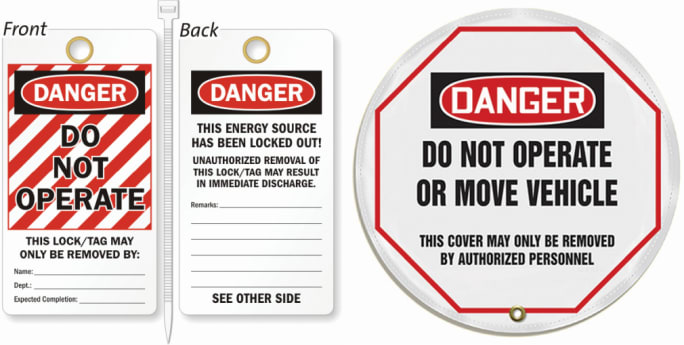
These types of key tags and steering wheel covers should be used on all vehicles being worked on in house or in the shops of any third parties.
Photo courtesy of Erica Albanese.
Other considerations include water and fluid storage and associated pumping systems, and holding tanks and valves used for hydraulic fluids. Remember, hydraulic fluid is considered a hazardous material, just like gasoline and diesel fuel.
Do you run compressed natural gas (CNG) or propane-powered vehicles? You will need a specially-equipped shop to deal with these. They will have an explosive gas on board and states require blast-proof systems in the shop, including special lighting.
If you hire for an in-house position, does the technician know what a multiplex system is, and how to repair one? In reviewing maintenance needs for a distribution center, I was told that an in-house technician was supposedly saving the company an enormous amount of money. A detailed review of the work orders revealed that the same light bulb had been changed 23 times on the same unit number. The problem was in the multiplex system, not the bulb.
What’s the moral of this story? Instead of repeatedly throwing money and resources at a problem, sometimes we need to go to the doctor. The same can be said for trucks, tractors, and yes, even vans and light trucks.
Equipment and Inventory
Common equipment such as auto lifts and tire balancing and mounting machines will run from the low to high four figures.
Don’t forget to include in your total equipment budget the cost of the hardware and software needed to diagnose the fault codes thrown by each of your vehicle makes and models. It might cost more than you think — particularly if the software requires an ongoing subscription.
Any in-house maintenance requires keeping some parts inventory on hand and understanding how much capital will be tied up in it. You’ll need to decide where and how to house these parts, how to track them, and how access will be controlled. Keeping parts specific to vocational vehicles adds to the complexity.
If your parts inventory increases, are you prepared to add another layer of supervision to manage those parts and ensure you’re centralizing your procurement to get the best deals?
It’s a good idea to maintain a spreadsheet of frequency of repairs for each vehicle to help with parts stocking and quantities. Will “first-in, first-out” inventory control be practiced, or have you even thought about this?
Liability Implications
Always consider what liability you could be exposing the company to by the actions that you take.
About 10% to 15% of all auto accidents are caused by mechanical failure. Would you want the specter of a potential accident hanging over your head because of technician error? What if your technician fails to replace the right lug nuts to a tire? Or perhaps an improperly installed hydraulic hose comes loose, sending oil onto the road that sends a motorcycle into a slide?
The resulting accident could be disastrous to your company, the ownership, and your family.
Most large third-party maintenance facilities have liability coverage well in excess of what you can afford to carry. If you have them maintain your vehicles, the liability for their actions is their responsibility. Something to think about!
If you end up doing any maintenance in house, make sure access to starting the vehicle is restricted, particularly when a tech is underneath. Consider attaching a “lockout tag” to the keys of the repaired vehicle and putting a cover lockout on the steering wheel.
Mobile Maintenance Possibilities
If you’ve rejected establishing in-house maintenance but still chafe at the added time needed to get the units back and forth from an outside mechanic — including a second person and vehicle — look into a new maintenance provider that would do this service for you.
Better yet, there is a growing trend of mobile maintenance, with minor repair work, preventive maintenance, and inspections done at your location. Mobile maintenance companies specialize in completing work when the trucks are not in operation, which minimizes downtime.
If you’re running both trucks and tractors, many outside repair facilities only work on one or the other. This adds a complexity to your situation if you have single-axle (Class 7) and tandem-axle tractors (Class 8) in your fleet.
Leave it to the Experts
Perhaps the most important question to ask is this: Do you really want to be in the truck maintenance and repair business? Many times, letting the experts handle an intricate job — even if it costs more money than you expected — is the best course of action.
About the Author: Les Smart is president of Smart Fleet Management, a small and medium fleet consulting company.
Quick Answers
Small fleets must contend with issues such as waste disposal, obtaining appropriate permits, maintaining parts inventories, and managing liability.
*Summarized by AI
Originally posted on Work Truck Online
More Maintenance

New Kooner and Global Partners Agreement Targets the Hassle of Fleet Fueling and Repairs
A new referral partnership gives businesses access to mobile fueling and maintenance services, potentially reducing the time employees spend getting vehicles serviced.
Read More →
When One Vehicle Goes Down, a Small Business Feels It
One disabled vehicle can derail an entire workday. Learn how small fleets can reduce downtime, protect employees, and avoid costly roadside chaos.
Read More →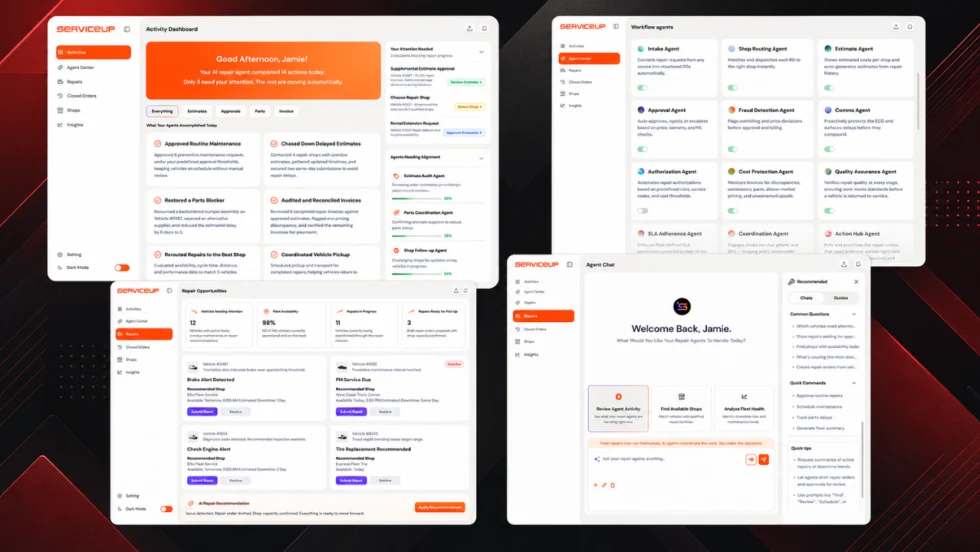
ServiceUp Brings Automated Repair Coordination to Small Fleet Operators
New AI repair agents handle shop calls, estimate reviews, status checks, and invoice validation so business owners can spend less time coordinating vehicle repairs.
Read More →
The Two Biggest Summer Downtime Threats for Fleets
A conversation with a maintenance expert reveals the two most common summer maintenance pains and how to prevent them.
Read More →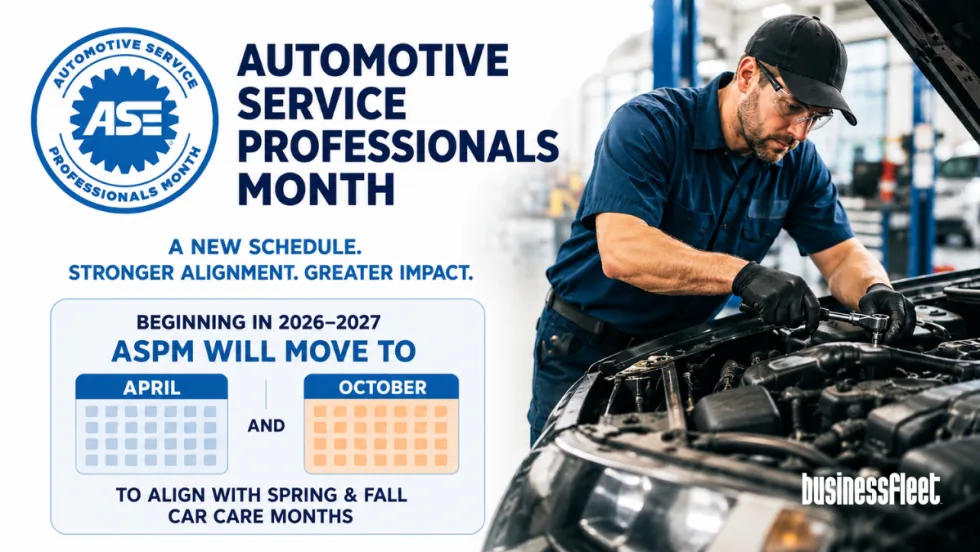
ASE to Move Automotive Service Professionals Month to Align With Car Care Campaigns
ASE will shift Automotive Service Professionals Month to April and October beginning in 2026-2027 to align with national Car Care Month efforts.
Read More →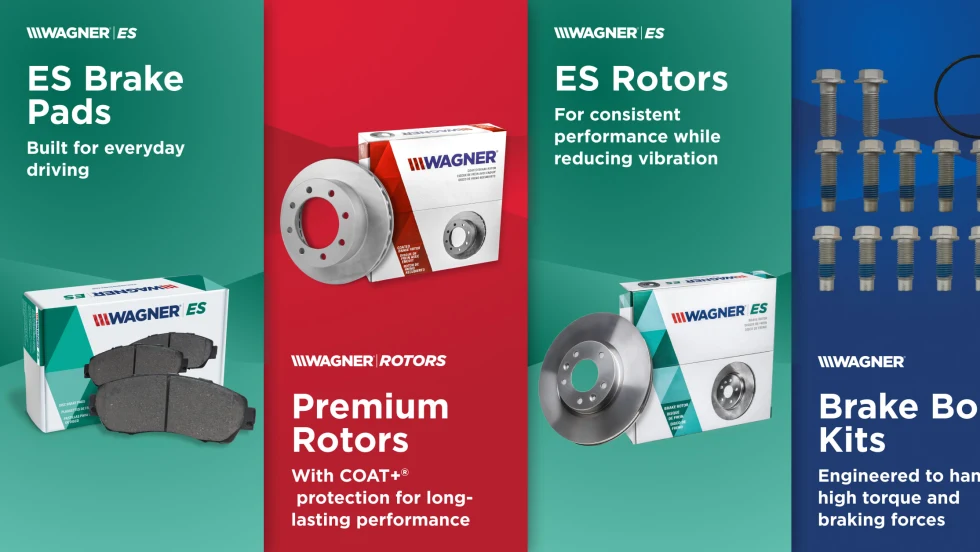
DRiV Adds New Wagner Brake Products Supporting Small Fleet Vehicle Maintenance
DRiV adds new Wagner brake pads, rotors, and hardware to support small fleet maintenance for pickups, vans, and everyday work vehicles.
Read More →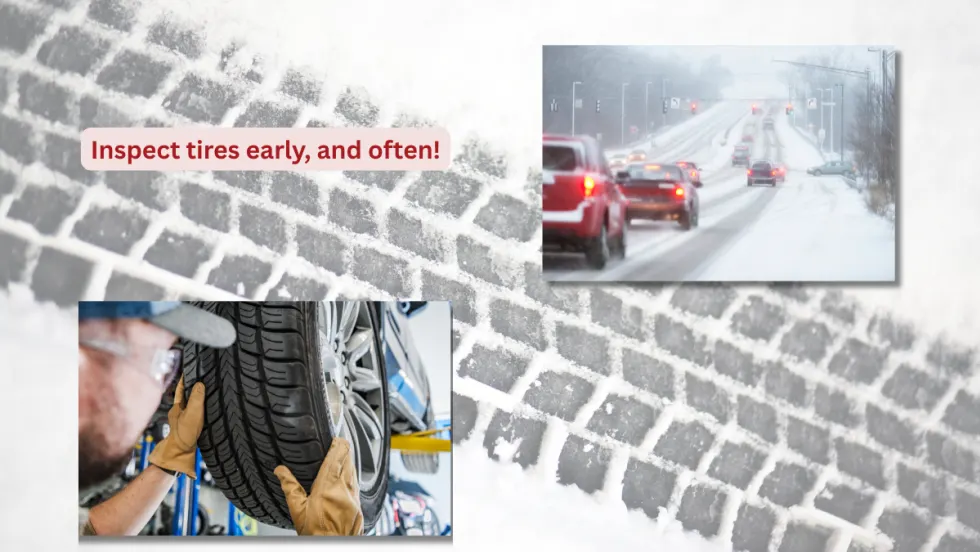
Fleet Managers Share Winter Prep Tips: It's Never Too Early!
Three fleets share best practices to prep vehicles for winter and prevent downtime when the cold sets in.
Read More →
Spring Cleaning: 5 Tips to Prep Your Fleet for Warmer Weather
Basic maintenance shouldn’t fall by the wayside as temps slowly rise again. Don’t miss performing these five measures to keep your fleet in top shape this spring.
Read More →
Prepping Your Fleet Vehicles for Resale
When it's time to dispose of retired units, which vehicle prep strategies can improve resale value? Following industry basics can have a significant impact on resale prices.
Read More →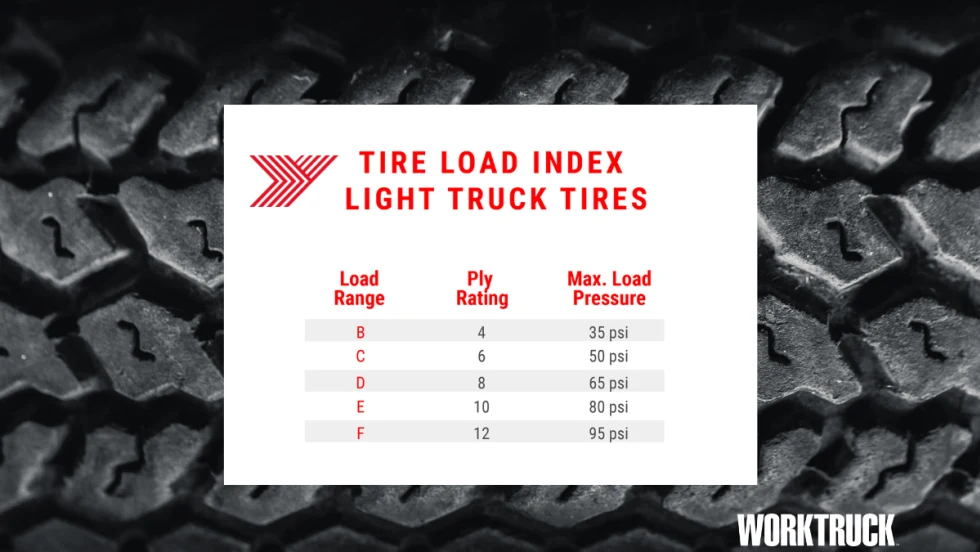
All About Truck Tires: Load Ratings, Sizes & More
Truck tires are more than “where the rubber meets the road.” Understanding truck tire sizes, tire load ratings, why ply no longer matters, and more is important for today’s fleet managers.
Read More →Subscribe to Our Newsletter