



Read More: 4 Policies Every Fleet Safety Program Should Have
Tips to Curtail the 5 Most Dangerous Driving Habits
Harsh braking, speeding, and tailgating are all dangerous driving behaviors that lead to collisions. An expert shares solutions on how to curtail bad habits and keep your fleet drivers safe.
May 22, 2023

Of all the bad driving habits, speeding is likely the worst. Some 25% of all fatal crashes are linked to speeding.
Photo: pexels.com/JESHOOTS.com
5 min to read
Even the most professional driver can occasionally get lax and fall into bad driving behaviors. A driver scorecard typically reports on unsafe habits like the following. Remind your drivers to avoid these behaviors. It will go a long way toward keeping them safer on the road.
Harsh Braking
As every fleet operator knows, harsh braking is when drivers use a lot of force to stop their vehicle. A pattern of harsh braking could be an indicator of several problems: The driver might be distracted behind the wheel, rushing, driving aggressively, or following the vehicle ahead too closely. Any of these unsafe behaviors will increase the driver’s risk of a rear-end collision — the most common crash type, and one that is almost always avoidable.
Solution: Several safe driving practices can help drivers avoid harsh braking and instead allow them to use gradual, gentle braking without risking a collision. Share these tips:
Stay fully attentive to the driving task and scan ahead. Keep any potentially distracting items out of reach and out of sight.
Maintain a safe following distance from the vehicle in front of you (using the technique described on the next page).
Be patient behind the wheel; never try to rush another driver by speeding or tailgating.
These precautions will not only keep your drivers safer, but they’ll also reduce wear and tear on your fleet vehicles’ brakes while reducing fuel use and costs.
Harsh Acceleration
Also called a “jackrabbit start,” accelerating hard from a complete stop is usually a sign of other unsafe driving behaviors. When a driver jumps out to a fast start, it can signal they’re rushing, driving aggressively, and prone to speeding.
Solution: Remind drivers that if they find themselves jumping out to a fast start at a traffic light or stop sign, or while pulling out of a parking lot, they need to think about what’s causing them to do so. Pass on these ideas to your fleet:
If feeling rushed, find ways to adapt. For example, avoid overloading the schedule unrealistically; set the alarm to wake up earlier and get an earlier start; and check traffic before departing, so you have the option to alter your route.
If you find you’re operating your vehicle aggressively, get to the root cause. You may be angry or upset about a situation at work or at home, but it’s important to recognize that letting these emotions influence your driving is extremely dangerous.
If a driver is perpetually speeding, they can use the following tips to avoid this unsafe habit.
Speeding
Driving too fast is one of the riskiest things you can do behind the wheel. The reason is simple: When you drive too fast, you lose the time and space you need to avoid a crash in the event of trouble on the road. And you can always count on trouble on the road.
According to the National Highway Transportation Safety Administration (NHTSA), speeding remains the number one factor in more than 25% of fatal crashes each year. Speeding while driving is a choice—a negligent choice that can result in thousands of preventable deaths each year. We’re accustomed to life moving increasingly fast, so we tend to drive the same way. But speeding significantly increases your odds of a crash and the odds of severe injury or death if a crash occurs. Consider this: At 70 mph, you’ll travel 100 yards (the length of a football field) in three seconds. If you must stop or react quickly, you won’t have much time or space to do it.
Solution: Encourage your drivers to always obey the posted speed limit. In addition, tell them to use strategies like these to ensure excessive speed doesn’t become a habit:
If other motorists are driving too fast, don’t feel compelled to keep up with them. Instead, move to a slower lane to allow aggressive drivers to pass you.
When roads are wet or visibility is reduced due to darkness or fog, reduce your speed to below the posted limit to compensate for poor driving conditions (remember posted speed limits are for “dry” road conditions).
Make sure your schedule is realistic. Always build in extra time for traffic, road work, or other possible delays. If you are running late call ahead. A large majority of people appreciate knowing this and can make alternative plans until you arrive.
If you regularly drive through an area where speed limits change frequently, you may be putting yourself at greater risk of a speeding violation. Scanning ahead to pick up posted signs is critical in these areas. Determine whether you can alter your route to avoid these areas without adding travel time.
No Seat Belt
Seat belt use is relatively high in the U.S. and Canada — but it’s still not at 100%. That’s unfortunate, because buckling up significantly increases your odds of surviving a crash. A front-seat passenger’s risk of dying in a crash is 45 times lower if the occupant is wearing a seat belt in a car and 60% lower in a light truck. A large majority of deaths are due to “internal bleeding due to trauma” which seat belts help lower significantly.
Solution: It’s easy — demand that your drivers wear their seat belt every time they get behind the wheel. Even if just traveling a short distance, it’s critical that drivers protect themselves by the simple act of buckling up. Finally, they should be sure to wear the belt properly, with the lap belt low over the hips and the shoulder harness tight across the chest.
Tailgating
Remind your drivers that following another vehicle too closely eliminates their ability to stop in time to avoid a collision if the driver ahead slows or stops abruptly. When trouble strikes, you want enough time and space to react. Tailgating takes away that time and space and makes it more likely you’ll have a collision. That’s why maintaining a safe following distance is vital.
But how close is too close depends on several factors. Share these guidelines with your fleet drivers:
A safe following distance depends on road conditions. On dry roads, stay three seconds behind the driver ahead of you.
In the rain or when visibility is reduced, increase your distance to six seconds.
In the snow, stay eight to ten seconds behind the other vehicle.
Judie Nuskey is the director of operations at Advanced Driver Training Services (ADTS) and assists corporations in creating custom driver training programs to lower (or keep low) their crash rates.
Originally posted on Automotive Fleet
More Safety

Mercedes Benz Tests CLA Occupant and Battery Protection in Side Impact Crash
Two CLA sedans traveling at 35 mph were used in a Mercedes-Benz crash test examining occupant protection and electric vehicle battery safety.
Read More →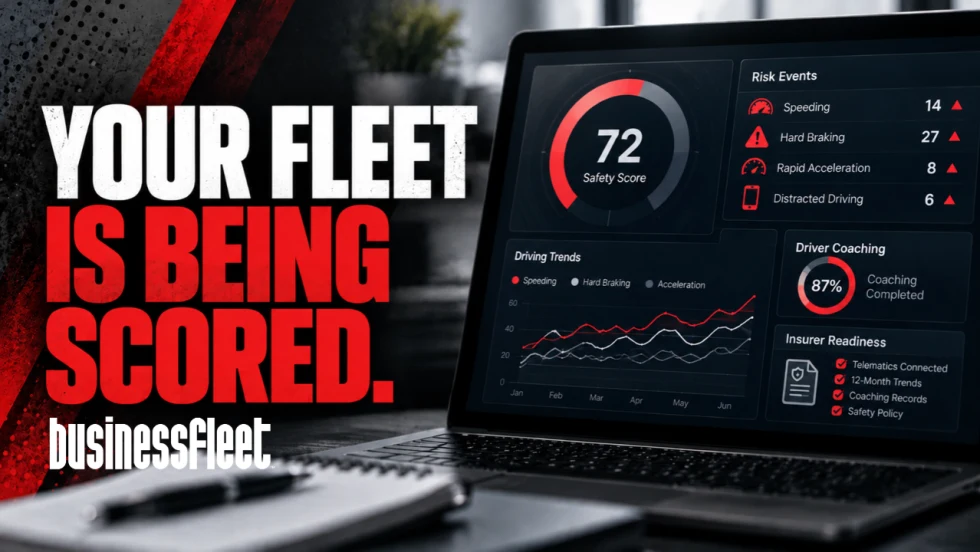
How Technology Can Help Fleet Owners Improve Insurability
Your fleet's telematics data could be the difference between getting insurance coverage and facing higher premiums or non-renewal. Here's what insurers are looking for and how fleets can use that data to make a stronger case at renewal.
Read More →
Small Fleets Lag in Telematics Coverage as Industry Moves Beyond Adoption
SambaSafety’s 2026 Telematics Report finds fleets with 10 or fewer vehicles monitor a much smaller share of their vehicles than larger operations, as the industry shifts its focus from collecting data to using it.
Read More →
Back-to-School Traffic Is Not the Risk Fleets Think It Is
Back-to-school traffic does not always mean more crashes. New Empiric Earth data shows why fleets should focus on when and where risk changes.
Read More →
Small Fleet, Big Exposure: How to Reduce Workers’ Comp Risks
For small fleets, one crash can trigger far more than vehicle damage. Here’s how stronger driver safety policies, training, maintenance, and technology can help reduce workers’ comp exposure.
Read More →
Who Makes the Call When Winter Weather Gets Dangerous?
Winter weather can quickly change a small fleet’s plans. Knowing when to reroute, delay, or stop can matter just as much as preparing the vehicles themselves.
Read More →
API Issues Refueling Safety Guidelines
The American Petroleum Institute offers a list of safe vehicle refueling guidelines, including ways to avoid potential problems with static electricity discharges in fall, winter, and early spring.
Read More →
Winter Fleet Prep: Expert Tips to Keep Vehicles Running Smoothly
Cold weather can expose weak batteries, tires, fuel systems, and maintenance gaps fast. Use this winter fleet checklist to prepare trucks and drivers before temperatures drop.
Read More →
8 ADAS Maintenance Tips for Small Business Fleets From Bendix
A dirty camera, bad alignment, or one loose connection could quietly knock your fleet’s ADAS offline. Here’s what Bendix says to check.
Read More →
Developing Budget-Friendly Driver Safety Programs
From driver training and safety meetings to one-on-one coaching and incentive programs, several small fleets share how they have developed a safety culture with their drivers using low- to no-cost resources.
Read More →Subscribe to Our Newsletter