


Delphi Develops First Passenger Occupant Detection System for Airbag Deployment
Delphi Automotive Systems has announced it is supplying its smart occupant passenger detection system for Jaguar and four models of Ford and Lincoln-Mercury vehicles.

Delphi Automotive Systems has announced it is supplying its smart occupant passenger detection system for Jaguar and four models of Ford and Lincoln-Mercury vehicles.
The Delphi PODS (Passenger Occupant Detection System) is described by Dave Wohleen, executive vice president of Delphi Automotive Systems, as the first and only weight-sensing system of its kind to reach the market. It is first being introduced as standard equipment on the 2001 Jaguar XK sports car series Adaptive Restraint Technology System (ARTS).
"We were able to develop the right solution at the right time," Wohleen said. "Our early development of a validated technology to address an anticipated regulatory ruling is paying off now in major customer programs."
The PODS technology enables vehicle manufacturers to improve the effectiveness of airbag protection through smart deployment or suppression of the passenger's airbag. The Delphi weight-based system is a major component of an advanced airbag system which vehicle manufacturers must implement to meet the recent U.S. Federal Motor Vehicle Safety Standard (FMVSS) No. 208, which was announced in May 2000.
The advanced airbag ruling requires manufacturers to make airbags more effective for a broader weight-range of occupants than previously required for veihcles sold in the U.S. Beginning in 2004, 35 percent of each manufacturer's fleet sold in the U.S. must be equipped with advanced airbag systems, and the number increases to nearly 100 percent by 2006.
The Delphi seat-based sensor determines whether to suppress or allow passenger airbag deployment based on the passenger's weight or is designed to suppress the system entirely if the seat is empty. "This is truly a market 'game changer' which represents an entirely new safety segment in the vehicle component industry," Wohleen said. "PODS technology joins a distinguished list of earlier safety innovations like airbags, anti-lock brakes and smart seat restraints."
Originally posted on Work Truck Online
More Safety

FMCSA Revokes 130+ ELDs: What Fleet Owners Need to Know
After FMCSA removed more than 130 ELDs from its registry, fleet owners need to check their devices, understand exemptions, and prepare for compliance deadlines.
Holiday Closures Can Leave Small Business Fleet Vehicles Vulnerable to Theft
Thanksgiving closures can leave business vehicles and cargo unattended. J. J. Keller shares practical steps to help fleets reduce theft risks.

Clocks Fall Back Nov. 1. Is Your Fleet Ready for Earlier Darkness?
Clocks fall back Nov. 1. Help your fleet prepare for earlier darkness with quick checks for driver visibility, schedules, fatigue, and seasonal road hazards.
Tips for Driving Safely on Halloween Night
This video features a reminder from the Connecticut Department of Transportation (DOT) and the Connecticut Police Chiefs Association, urging drivers to prioritize safety this Halloween.

Mercedes Benz Tests CLA Occupant and Battery Protection in Side Impact Crash
Two CLA sedans traveling at 35 mph were used in a Mercedes-Benz crash test examining occupant protection and electric vehicle battery safety.
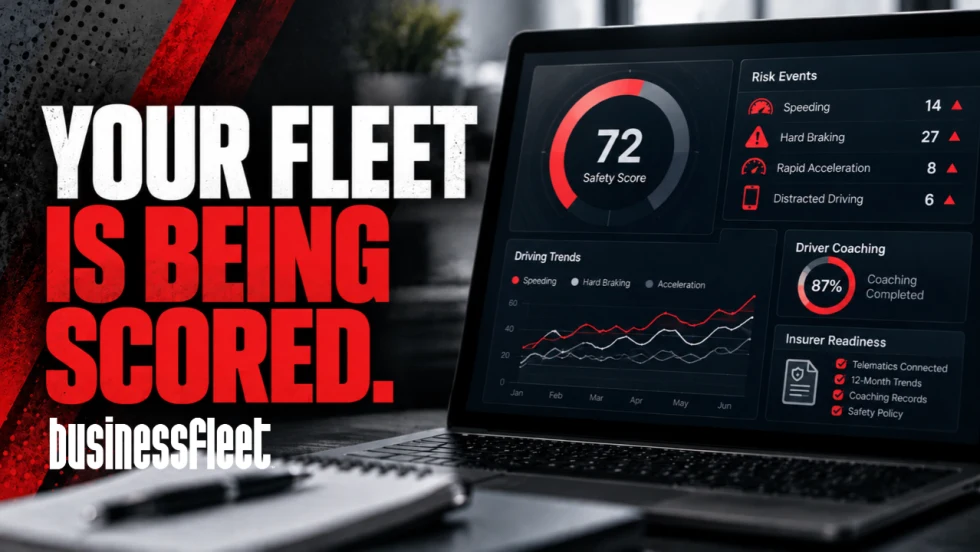
How Technology Can Help Fleet Owners Improve Insurability
Your fleet's telematics data could be the difference between getting insurance coverage and facing higher premiums or non-renewal. Here's what insurers are looking for and how fleets can use that data to make a stronger case at renewal.

Simple Tire Checks That Help Keep Your Business Fleet Moving
A survey found that nearly one in every 10 passenger vehicles has at least one bald tire. What's more, 27% -- more than one in four -- of vehicles are driven with one or more severely under-inflated tires.
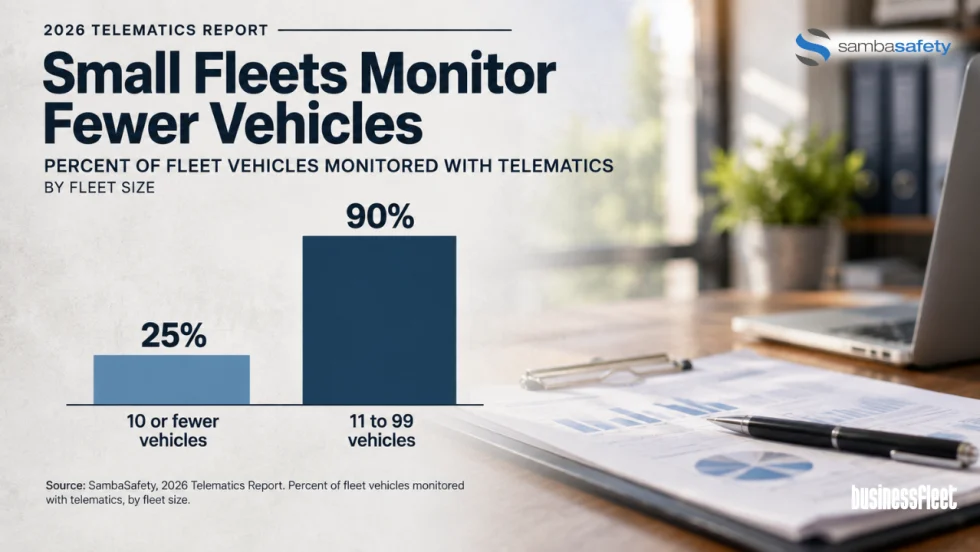
Small Fleets Lag in Telematics Coverage as Industry Moves Beyond Adoption
SambaSafety’s 2026 Telematics Report finds fleets with 10 or fewer vehicles monitor a much smaller share of their vehicles than larger operations, as the industry shifts its focus from collecting data to using it.

Back-to-School Traffic Is Not the Risk Fleets Think It Is
Back-to-school traffic does not always mean more crashes. New Empiric Earth data shows why fleets should focus on when and where risk changes.
Small Fleet, Big Exposure: How to Reduce Workers’ Comp Risks
For small fleets, one crash can trigger far more than vehicle damage. Here’s how stronger driver safety policies, training, maintenance, and technology can help reduce workers’ comp exposure.