


Fleet Safety Video Tip: Wet Weather Driving
With rain forecast this week for many areas, this is a good time for fleet drivers to review safety measures for wet weather driving.
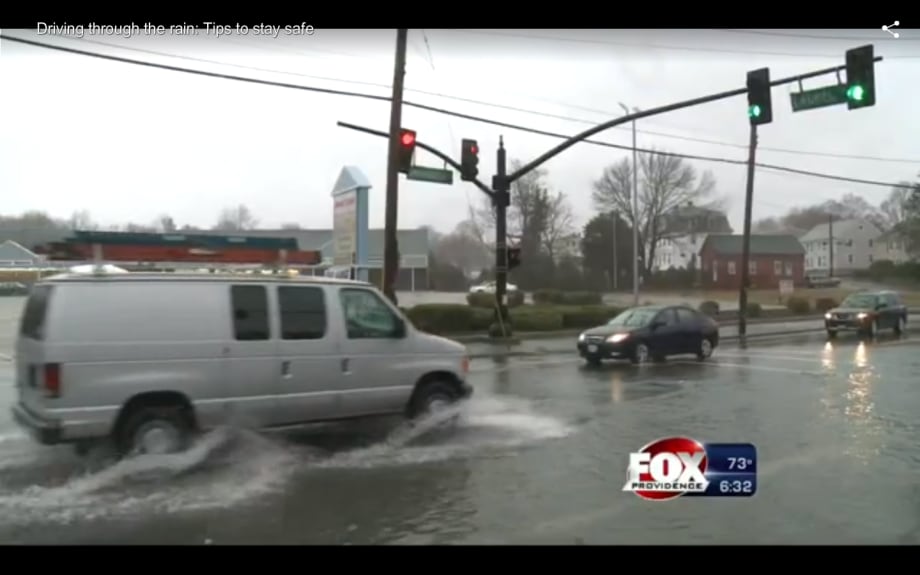
VIDEO: Wet Weather Driving Tips
With showers forecast for the coming week in many areas, now is a good time to remind your fleet drivers of what safety measures they should take during wet weather. Here are 10 tips, culled from AAA materials, which you can pass along.
Make sure your vehicle is ready for the rigors of the rainy season, including good tire tread, firm brakes and streak-free wipers.
Consider practicing reduced-traction driving skills in a safe, secluded area. Remember, conditions are most dangerous during the first 10 minutes of a heavy downpour because oil and debris on the pavement first rise up and then wash away.
Keep windshield, windows and headlights clean to maintain optimal visibility.
To reduce the chances of hydroplaning, you need to slow down, avoid hard braking or turning sharply, and drive in the tracks of the vehicle ahead of you when possible.
Allow ample stopping distance between your vehicle and the vehicles ahead. Increase your following distance and also begin slowing down to stop for intersections, turns and other traffic early.
When turning, make an effort to do these things one at a time: brake, then turn, then accelerate.
If you feel your vehicle beginning to skid, don’t panic. Continue to look and steer in the direction in which you want the vehicle to go. Avoid slamming on the brakes – that will upset the vehicle’s balance further and make it more difficult to control.
Don’t use cruise control in rainy conditions – it can increase your chances of losing control of the vehicle. To prevent loss of traction in wet weather, you may need to reduce the car’s speed by lifting off the accelerator.
If you’re driving in a storm and visibility is so limited you can’t see the edges of the road or other vehicles at a safe distance, it’s time to pull off and wait for the rain to ease up. Try to stop at a rest area or exit the freeway and go to a protected area. If the roadside is your only option, pull off the road as far as you can.
If your vehicle gets stuck in the mud or a soft shoulder, apply power slowly and keep the wheels pointed straight ahead so the vehicle can move in a straight line. If the vehicle can’t move forward, try backing out and steering in the vehicle’s tracks. If that doesn’t work, try rocking your way out. Move forward until the vehicle stops, then shift into reverse and move backwards until momentum stops. Repeat this process, moving ahead a little more each time. Use minimum power to keep the wheels from spinning and digging in deeper. But if rocking doesn’t work and the wheels just spin, find a way to create traction. Try mats, gravel, kitty litter, branches, etc. Shovel a space in front of the drive wheels and spread your materials there. Apply power slowly, using second or low gear.
To watch a video offering wet weather driving tips, click on the photo or link above. Fox Providence Eyewitness News speaks with Anthony Ricci, president of Advanced Driving & Security in Rhode Island, for advice.
Originally posted on Automotive Fleet
More Safety

Small Fleets Lag in Telematics Coverage as Industry Moves Beyond Adoption
SambaSafety’s 2026 Telematics Report finds fleets with 10 or fewer vehicles monitor a much smaller share of their vehicles than larger operations, as the industry shifts its focus from collecting data to using it.
Read More →
Back-to-School Traffic Is Not the Risk Fleets Think It Is
Back-to-school traffic does not always mean more crashes. New Empiric Earth data shows why fleets should focus on when and where risk changes.
Read More →
Small Fleet, Big Exposure: How to Reduce Workers’ Comp Risks
For small fleets, one crash can trigger far more than vehicle damage. Here’s how stronger driver safety policies, training, maintenance, and technology can help reduce workers’ comp exposure.
Read More →
Who Makes the Call When Winter Weather Gets Dangerous?
Winter weather can quickly change a small fleet’s plans. Knowing when to reroute, delay, or stop can matter just as much as preparing the vehicles themselves.
Read More →
API Issues Refueling Safety Guidelines
The American Petroleum Institute offers a list of safe vehicle refueling guidelines, including ways to avoid potential problems with static electricity discharges in fall, winter, and early spring.
Read More →
Winter Fleet Prep: Expert Tips to Keep Vehicles Running Smoothly
Cold weather can expose weak batteries, tires, fuel systems, and maintenance gaps fast. Use this winter fleet checklist to prepare trucks and drivers before temperatures drop.
Read More →
8 ADAS Maintenance Tips for Small Business Fleets From Bendix
A dirty camera, bad alignment, or one loose connection could quietly knock your fleet’s ADAS offline. Here’s what Bendix says to check.
Read More →
Developing Budget-Friendly Driver Safety Programs
From driver training and safety meetings to one-on-one coaching and incentive programs, several small fleets share how they have developed a safety culture with their drivers using low- to no-cost resources.
Read More →
A 20-Minute Safety Check for Small Fleets Before Operation Safe Driver Week
No safety department? No problem. Here's a practical checklist small fleet managers can use before Operation Safe Driver Week begins.
Read More →
Why Small Fleets Keep Getting Tripped Up by ELD Compliance
Roadcheck revealed a hard truth: most ELD violations aren't intentional. They're caused by small mistakes that can cost fleets time, money, and trust.
Read More →