



Read More: NTSB Recommends Technology in New Cars to Reduce Speeding
IIHS Requests Automakers, Fleet Operators to Promote Speed Limiters
IIHS is calling on automakers, regulators, and fleet operators to promote technologies to help curb an epidemic of speeding.
December 8, 2023
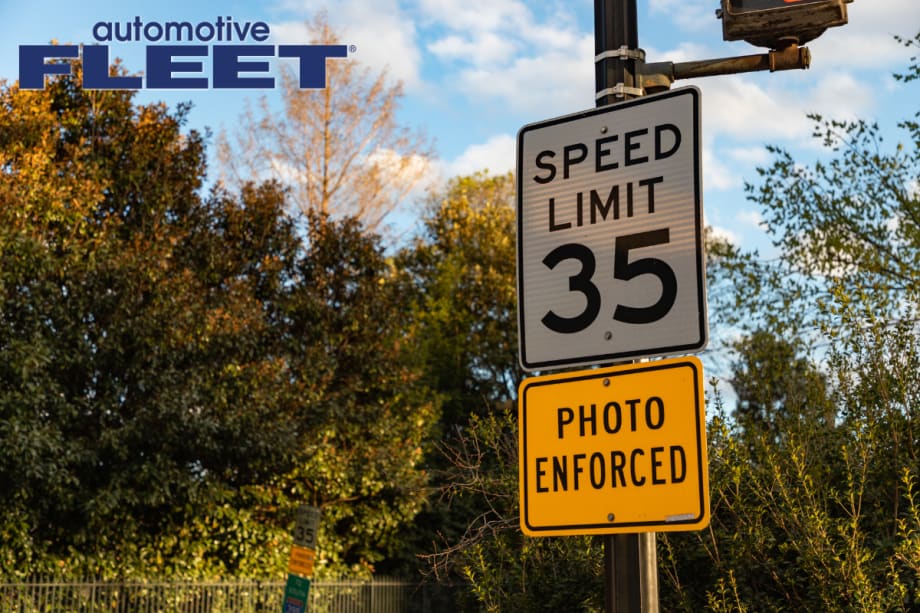
For commercial operators and public fleets, the coalition recommends promoting ISA or speed limiters.
Photo: Canva
2 min to read
The Insurance Institute for Highway Safety (IIHS) and other members of the Road to Zero Coalition are urging automakers, regulators, and fleet operators to promote intelligent speed assistance (ISA) and speed limiters to help curb an epidemic of speeding that has contributed to a spike in traffic deaths since 2020, according to the institute's news release.
“Speeding causes more than a quarter of all crash deaths every year, accounting for more than 12,000 lost lives in 2021,” said Jessica Cicchino, vice president of research at IIHS. “In-vehicle technologies can be an important part of the solution.”
How ISA Works
ISA uses a camera that reads posted signs or GPS mapping software to identify the prevailing speed limit and alerts drivers when they’re going too fast. Some systems also discourage speeding more aggressively by reducing power to the engine once the driver crosses the limit.
For all U.S. drivers, the coalition’s Accelerating Technology Working Group recommends warning-based, or “advisory,” ISA systems as a starting point.
Such systems will be required for all new vehicles in the European Union in 2024. For commercial operators and public fleets, the coalition recommends promoting ISA or speed limiters, which prevent the vehicle from exceeding a preset maximum speed.
Organizations Embracing Technologies
Some organizations already use one or the other, and the goal is to increase the number of fleets that embrace the technologies.
Led by the National Safety Council, the Road to Zero Coalition is committed to reducing traffic fatalities to zero by 2050. IIHS is a member of the steering group, along with other industry associations and safety organizations.
Members will also urge the National Highway Traffic Safety Administration to set performance standards for ISA technology that provides a warning when the vehicle exceeds the speed limit, require all new vehicles to be equipped with ISA, and add an ISA evaluation to the New Car Assessment Program.
The working group also recommended steps to promote both technologies for high-risk groups like repeat speeding offenders and teen drivers. Teens are more likely than any other age group to be speeding when they are involved in a crash, according to the IIHS.
Cars driven by repeat speeding offenders and teens could be equipped with aftermarket ISA systems that reduce power to the engine. Smartphone apps and in-vehicle systems that warn drivers when they exceed a preset speed could also help curb teen speeding.
Originally posted on Automotive Fleet
More Safety
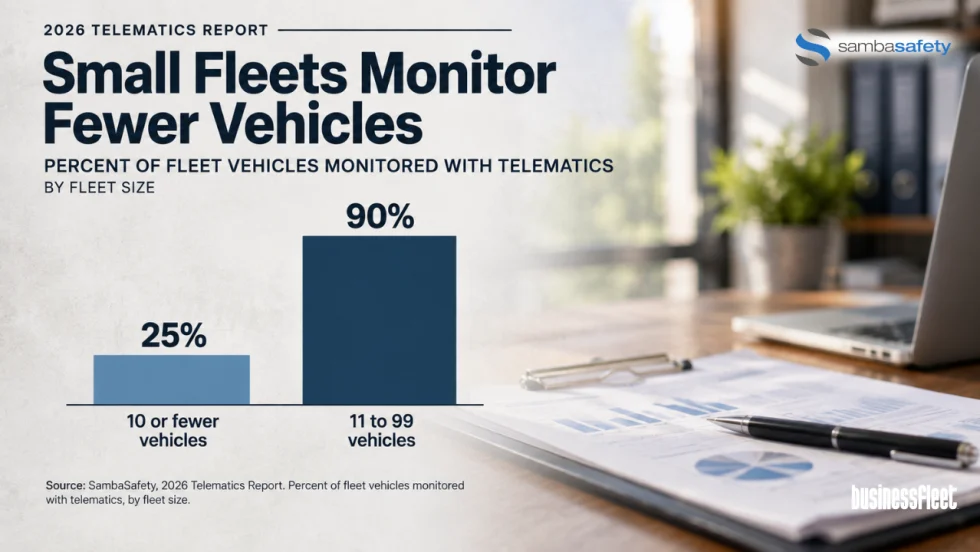
Small Fleets Lag in Telematics Coverage as Industry Moves Beyond Adoption
SambaSafety’s 2026 Telematics Report finds fleets with 10 or fewer vehicles monitor a much smaller share of their vehicles than larger operations, as the industry shifts its focus from collecting data to using it.
Read More →
Back-to-School Traffic Is Not the Risk Fleets Think It Is
Back-to-school traffic does not always mean more crashes. New Empiric Earth data shows why fleets should focus on when and where risk changes.
Read More →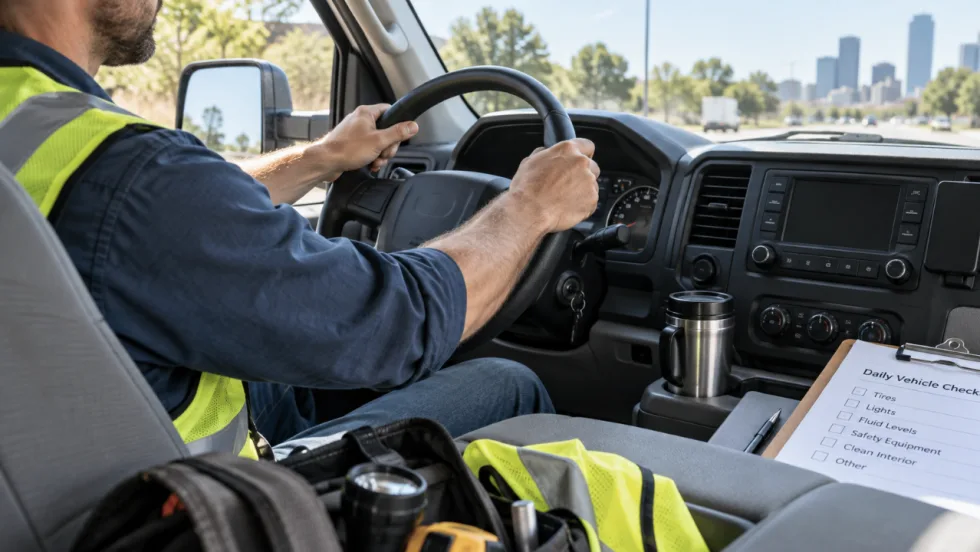
Small Fleet, Big Exposure: How to Reduce Workers’ Comp Risks
For small fleets, one crash can trigger far more than vehicle damage. Here’s how stronger driver safety policies, training, maintenance, and technology can help reduce workers’ comp exposure.
Read More →
Who Makes the Call When Winter Weather Gets Dangerous?
Winter weather can quickly change a small fleet’s plans. Knowing when to reroute, delay, or stop can matter just as much as preparing the vehicles themselves.
Read More →
API Issues Refueling Safety Guidelines
The American Petroleum Institute offers a list of safe vehicle refueling guidelines, including ways to avoid potential problems with static electricity discharges in fall, winter, and early spring.
Read More →
Winter Fleet Prep: Expert Tips to Keep Vehicles Running Smoothly
Cold weather can expose weak batteries, tires, fuel systems, and maintenance gaps fast. Use this winter fleet checklist to prepare trucks and drivers before temperatures drop.
Read More →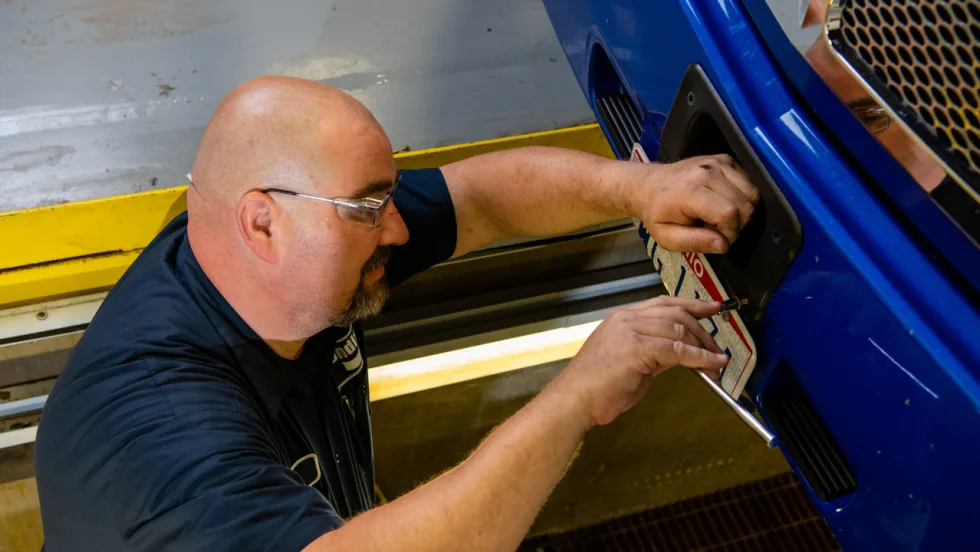
8 ADAS Maintenance Tips for Small Business Fleets From Bendix
A dirty camera, bad alignment, or one loose connection could quietly knock your fleet’s ADAS offline. Here’s what Bendix says to check.
Read More →
Developing Budget-Friendly Driver Safety Programs
From driver training and safety meetings to one-on-one coaching and incentive programs, several small fleets share how they have developed a safety culture with their drivers using low- to no-cost resources.
Read More →
A 20-Minute Safety Check for Small Fleets Before Operation Safe Driver Week
No safety department? No problem. Here's a practical checklist small fleet managers can use before Operation Safe Driver Week begins.
Read More →
Why Small Fleets Keep Getting Tripped Up by ELD Compliance
Roadcheck revealed a hard truth: most ELD violations aren't intentional. They're caused by small mistakes that can cost fleets time, money, and trust.
Read More →