


Japanese Cars, SUVs, Pickups, Minivans Top Thieves' Shopping Lists

Japanese cars domiante the latest list of most-stolen vehicles, but thieves continue to find sport utility vehicles (SUVs), pickup trucks, and mini-vans attractive targets. According to a new study conducted by the National Insurance Crime Bureau (NICB), a not-for-profit insurance organization committed to combating vehicle theft and insurance fraud, nearly one-third of the top 50 most commonly stolen vehicles in 1999 were SUVs, pickup trucks, and mini-vans. The Honda Accord tops the list, followed by the Toyota Camry. But also among the top 10 are the full-size Chevrolet pickup and the Jeep Grand Cherokee. NICB reported that the 10 most commonly stolen vehicles in the United States in 1999 were: 1. Honda Accord 2. Toyota Camry 3. Oldsmobile Cutlass 4. Chevrolet Full Size Pickup 5. Honda Civic 6. Toyota Corolla 7. Jeep Cherokee 8. Chevrolet Caprice 9. Ford Taurus 10. Chevrolet Cavalier New to the 1999 top ten list were the Chevrolet Caprice, Ford Taurus and Chevrolet Cavalier. The NICB list of the top 50 most frequently stolen vehicles includes 15 pickup trucks, minivans and SUVs. They are: the Chevrolet Full Size Pickup (4), Jeep Cherokee/Grand Cherokee (7), Ford 150 Series Pickup (11), Dodge Caravan (13), Chevrolet Blazer (14), Toyota Pickup 18), Plymouth Voyager (22), Ford Ranger (26), Ford Explorer (28), Chevrolet S-10 Pickup (29), Ford Econoline (32), Dodge Ram Pickup (35), Chevrolet Full Sized Van (40), GMC Full Sized Pickup (43) and the Chevrolet Astro Mini-van (44). "The study confirms the growing popularity of pickups, mini-vans and SUVs on a national basis among thieves," said Robert M. Bryant, president and chief executive officer of NICB. "Vehicle thieves follow market trends and target the most popular vehicles because they provide the best market for stolen vehicle parts and illegal export to other countries." Bryant also pointed out that there are city-by-city differences in consumer vehicle preference that affect which vehicles are targeted by thieves in an individual metropolitan area. For example, American cars are more attractive to thieves in cities such as Chicago, while pickups are more frequently stolen in Dallas. In the Los Angeles area, thieves target Japanese models. Bryant warned, "People residing in or near port and border communities should take special care to protect their vehicles." To help protect their vehicles, the NICB recommends that motorists always remove the keys from the ignition and vehicle, lock the doors, close the windows, hide valuable items, park in well-lit areas and use a combination of anti-theft devices. "Motorists driving theft-prone vehicles need to take additional steps such as installing a visible deterrent like a steering wheel lock, an alarm, a starter or fuel disabler and a tracking device," Bryant said. "The more layers of protection on your vehicle, the more difficult it is to steal." Another measure to help motorists protect their vehicle from theft is to permanently etch all glass/windows with the vehicle identification number (VIN). Etching the VIN on the vehicle’s glass not only aids law enforcement and insurance agencies in the recovery and identification of stolen vehicles, it also takes profit away from the professional vehicle thief. "Like any business, vehicle thieves are seeking to make a profit," said Bryant, "Permanently etching all glass on a vehicle with the VIN, takes profits from these criminals because they must replace the etched glass." About the NICB The National Insurance Crime Bureau (NICB) is a not-for-profit organization dedicated exclusively to fighting insurance fraud and theft for the benefit of its customers and the public through information analysis, forecasting, criminal investigation support, training and public awareness. The NICB is supported by approximately 1,000 property/casualty insurance companies.
Originally posted on Work Truck Online
More Safety
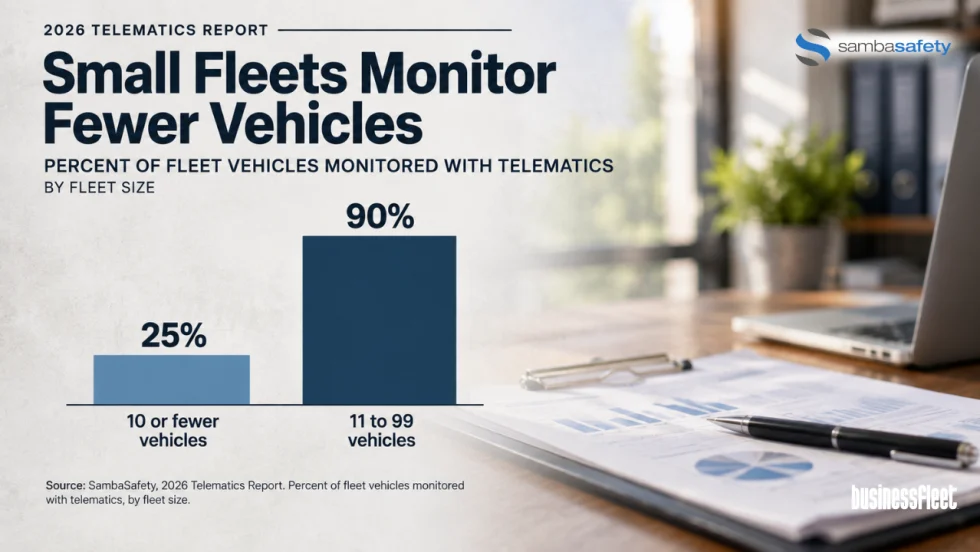
Small Fleets Lag in Telematics Coverage as Industry Moves Beyond Adoption
SambaSafety’s 2026 Telematics Report finds fleets with 10 or fewer vehicles monitor a much smaller share of their vehicles than larger operations, as the industry shifts its focus from collecting data to using it.
Read More →
Back-to-School Traffic Is Not the Risk Fleets Think It Is
Back-to-school traffic does not always mean more crashes. New Empiric Earth data shows why fleets should focus on when and where risk changes.
Read More →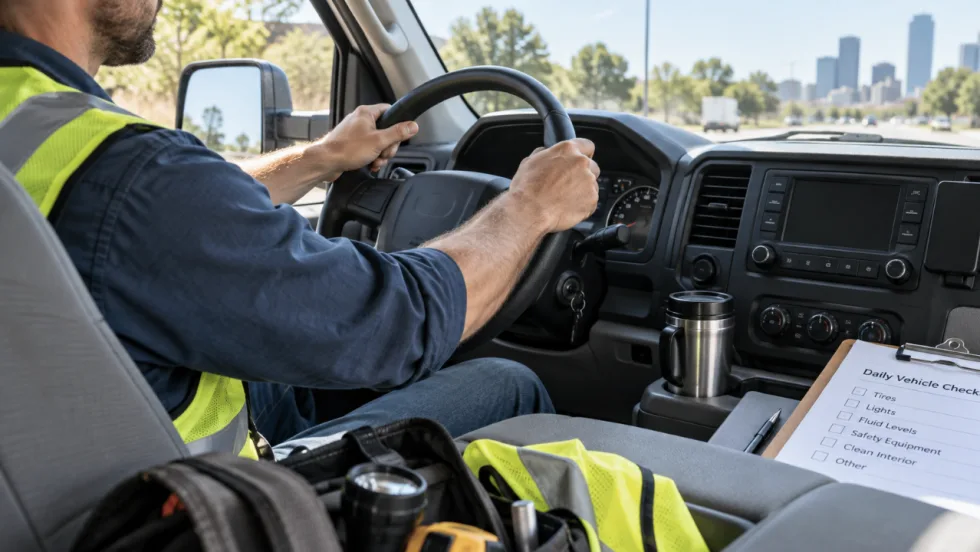
Small Fleet, Big Exposure: How to Reduce Workers’ Comp Risks
For small fleets, one crash can trigger far more than vehicle damage. Here’s how stronger driver safety policies, training, maintenance, and technology can help reduce workers’ comp exposure.
Read More →
Who Makes the Call When Winter Weather Gets Dangerous?
Winter weather can quickly change a small fleet’s plans. Knowing when to reroute, delay, or stop can matter just as much as preparing the vehicles themselves.
Read More →
API Issues Refueling Safety Guidelines
The American Petroleum Institute offers a list of safe vehicle refueling guidelines, including ways to avoid potential problems with static electricity discharges in fall, winter, and early spring.
Read More →
Winter Fleet Prep: Expert Tips to Keep Vehicles Running Smoothly
Cold weather can expose weak batteries, tires, fuel systems, and maintenance gaps fast. Use this winter fleet checklist to prepare trucks and drivers before temperatures drop.
Read More →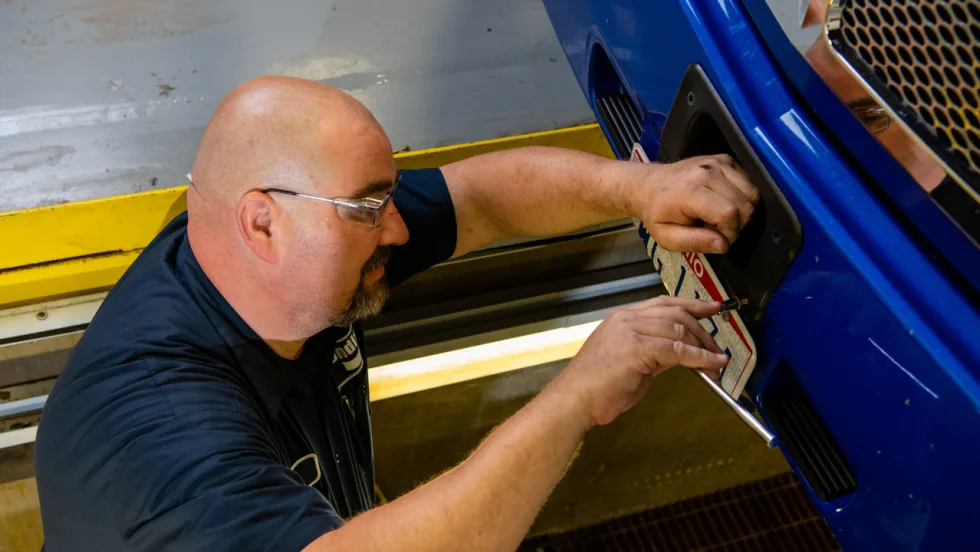
8 ADAS Maintenance Tips for Small Business Fleets From Bendix
A dirty camera, bad alignment, or one loose connection could quietly knock your fleet’s ADAS offline. Here’s what Bendix says to check.
Read More →
Developing Budget-Friendly Driver Safety Programs
From driver training and safety meetings to one-on-one coaching and incentive programs, several small fleets share how they have developed a safety culture with their drivers using low- to no-cost resources.
Read More →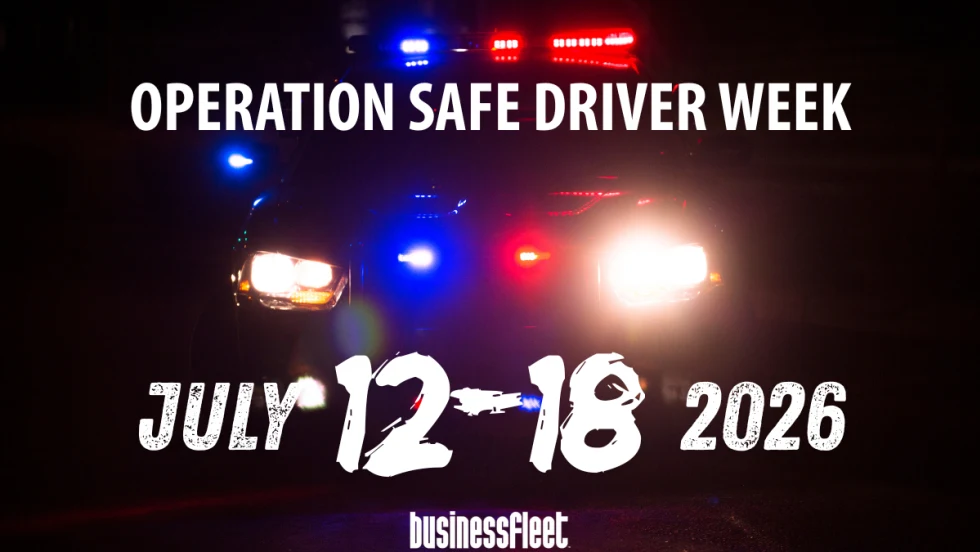
A 20-Minute Safety Check for Small Fleets Before Operation Safe Driver Week
No safety department? No problem. Here's a practical checklist small fleet managers can use before Operation Safe Driver Week begins.
Read More →
Why Small Fleets Keep Getting Tripped Up by ELD Compliance
Roadcheck revealed a hard truth: most ELD violations aren't intentional. They're caused by small mistakes that can cost fleets time, money, and trust.
Read More →