



U.S. DOT, National Safety Council Launch Coalition to End Roadway Fatalities
Road Deaths Rise 10.4% in First Half of 2016
An estimated 17,775 people died in U.S. traffic crashes in the first half of 2016 – about a 10.4% jump from the same period last year.
October 7, 2016
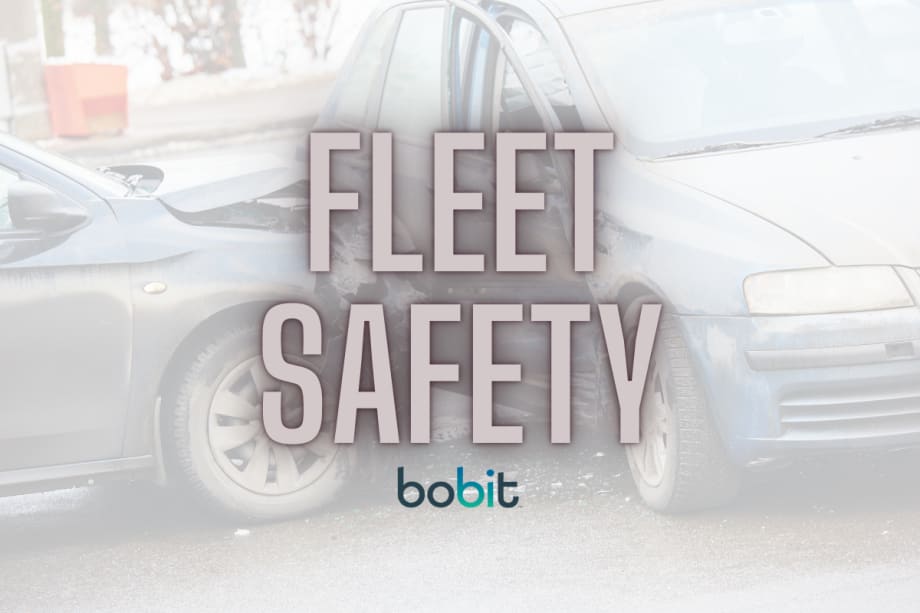
Last year's overall 7.2% jump in road fatalities was largely driven by increases in pedestrian, motorcyclist, and bicyclist deaths.
Photo: Bobit
2 min to read
In the first half of 2016, an estimated 17,775 people died in U.S. traffic crashes, according to projections from the National Highway Traffic Safety Administration (NHTSA). That figure represents about a 10.4% increase from the same six-month period in 2015.
The second quarter of this year was the seventh straight quarter with fatality increases when compared to the corresponding quarters in the previous years, NHTSA noted in a report summarizing the statistics.
The higher death count in part reflects increases in the amount of time Americans are spending on the road. Preliminary data, reported to the Federal Highway Administration, indicate that vehicle miles traveled in the first six months of 2016 rose by 50.5 billion miles — about a 3.3% jump.
But the fatality rate for the first half of 2016 also climbed to 1.12 deaths per 100 million vehicle miles traveled — up from 1.05 deaths per 100 million vehicle miles traveled in the first half of 2015.
NHTSA stressed that these statistics are preliminary and the counts for both 2015 and 2016 may be further revised next year. For now, the agency is holding off on drawing concrete conclusions about what’s specifically to blame for the 2016 increase.
“The National Highway Traffic Safety Administration is continuing to gather and finalize data on crash fatalities for 2015 and 2016 using information from police crash reports and other sources,” the agency said in its report. “It is too soon to attribute contributing factors or potential implications of any changes in deaths on our roadways.”
Last year's overall 7.2% jump in road fatalities was largely driven by increases in pedestrian, motorcyclist, and bicyclist deaths. Almost half of passenger vehicle occupants killed weren't wearing seat belts. Also in 2015, nearly one in three fatalities involved drunk driving or speeding. One in 10 deaths involved distraction.
Originally posted on Automotive Fleet
More Safety

Clocks Fall Back Nov. 1. Is Your Fleet Ready for Earlier Darkness?
Clocks fall back Nov. 1. Help your fleet prepare for earlier darkness with quick checks for driver visibility, schedules, fatigue, and seasonal road hazards.
Read More →
Tips for Driving Safely on Halloween Night
This video features a reminder from the Connecticut Department of Transportation (DOT) and the Connecticut Police Chiefs Association, urging drivers to prioritize safety this Halloween.
Read More →
Mercedes Benz Tests CLA Occupant and Battery Protection in Side Impact Crash
Two CLA sedans traveling at 35 mph were used in a Mercedes-Benz crash test examining occupant protection and electric vehicle battery safety.
Read More →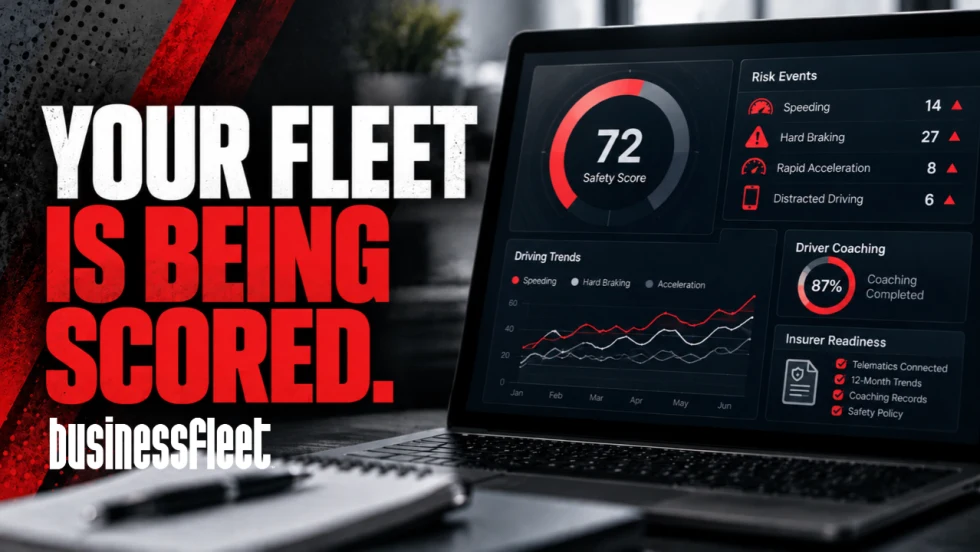
How Technology Can Help Fleet Owners Improve Insurability
Your fleet's telematics data could be the difference between getting insurance coverage and facing higher premiums or non-renewal. Here's what insurers are looking for and how fleets can use that data to make a stronger case at renewal.
Read More →
Simple Tire Checks That Help Keep Your Business Fleet Moving
A survey found that nearly one in every 10 passenger vehicles has at least one bald tire. What's more, 27% -- more than one in four -- of vehicles are driven with one or more severely under-inflated tires.
Read More →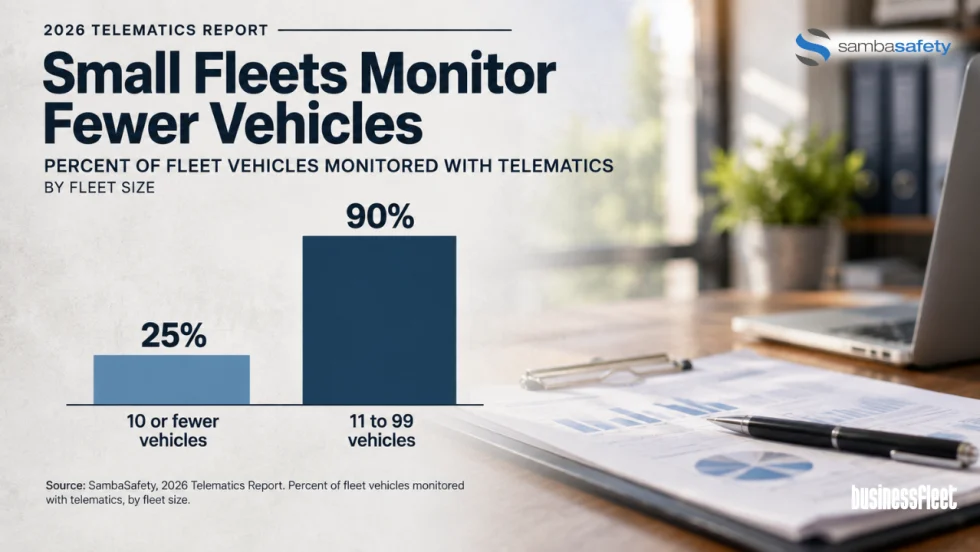
Small Fleets Lag in Telematics Coverage as Industry Moves Beyond Adoption
SambaSafety’s 2026 Telematics Report finds fleets with 10 or fewer vehicles monitor a much smaller share of their vehicles than larger operations, as the industry shifts its focus from collecting data to using it.
Read More →
Back-to-School Traffic Is Not the Risk Fleets Think It Is
Back-to-school traffic does not always mean more crashes. New Empiric Earth data shows why fleets should focus on when and where risk changes.
Read More →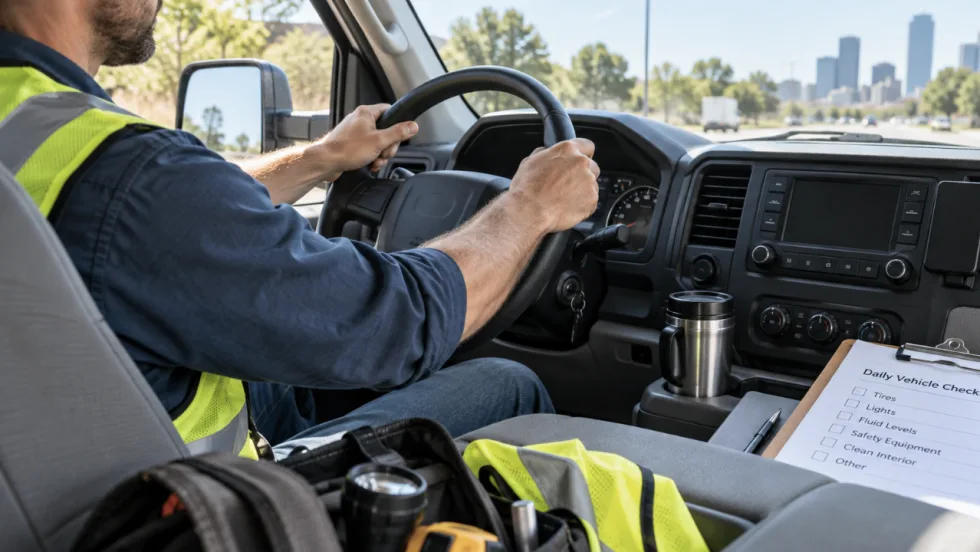
Small Fleet, Big Exposure: How to Reduce Workers’ Comp Risks
For small fleets, one crash can trigger far more than vehicle damage. Here’s how stronger driver safety policies, training, maintenance, and technology can help reduce workers’ comp exposure.
Read More →
Who Makes the Call When Winter Weather Gets Dangerous?
Winter weather can quickly change a small fleet’s plans. Knowing when to reroute, delay, or stop can matter just as much as preparing the vehicles themselves.
Read More →
API Issues Refueling Safety Guidelines
The American Petroleum Institute offers a list of safe vehicle refueling guidelines, including ways to avoid potential problems with static electricity discharges in fall, winter, and early spring.
Read More →