


Safe Winter Driving Tips [Video]
With snow storms on the way, AAA offers valuable safety tips for driving in harsh winter weather.

![Safe Winter Driving Tips [Video]](https://assets.bobitstudios.com/image/upload/f_auto,q_auto,dpr_auto,c_limit,w_920/20240812-bobit-winterweather_1776006415032_fv1x2w.png)
Watch weather reports prior to a long-distance drive or before driving in isolated areas.
Photo: Work Truck
Colorado and parts of Nebraska and Kansas are bracing for the second big storm in less than a week. The central Rockies and parts of the High Plains may get a foot of snow early this week, according to AccuWeather forecasts. Meanwhile, northern Arizona is also getting snowfall.
It’s time again to review winter driving tips, provided by AAA. You may want to pass these along to fleet drivers as a friendly reminder.
Avoid driving while you’re fatigued. Getting the proper amount of rest before taking on winter weather tasks reduces driving risks.
Never warm up a vehicle in an enclosed area, such as a garage.
Make certain your tires are properly inflated.
Never mix radial tires with other tire types.
Keep your gas tank at least half full to avoid gas line freeze-up.
If possible, avoid using your parking brake in cold, rainy and snowy weather.
Do not use cruise control when driving on any slippery surface (wet, ice, sand).
Always look and steer where you want to go.
Use your seat belt every time you get into your vehicle.
Safe Driving Tips for Long-Distance Winter Trips:
Watch weather reports prior to a long-distance drive or before driving in isolated areas.
Delay trips when especially bad weather is expected. If you must leave, let others know your route, destination and estimated time of arrival.
Always make sure your vehicle is in peak operating condition.
Keep at least half a tank of gasoline in your vehicle at all times.
Pack a cellular telephone with emergency numbers, plus blankets, gloves, hats, food, water and any needed medication in your vehicle. For advice on assembling a winter emergency kit for your vehicle, click here.
If you become snow-bound, stay with your vehicle. It provides temporary shelter and makes it easier for rescuers to locate you.
Don’t try to walk in a severe storm. It’s easy to lose sight of your vehicle in blowing snow and become lost.
Don’t over-exert yourself if you try to push or dig your vehicle out of the snow.
Tie a brightly colored cloth to the antenna or place a cloth at the top of a rolled up window to signal distress. At night, keep the dome light on if possible. It only uses a small amount of electricity and will make it easier for rescuers to find you.
Make sure the exhaust pipe isn’t clogged with snow, ice or mud. A blocked exhaust could cause deadly carbon monoxide gas to leak into the passenger compartment with the engine running.
Use whatever is available to insulate your body from the cold. This could include floor mats, newspapers or paper maps.
If possible run the engine and heater just long enough to remove the chill and to conserve gasoline.
Additional Tips for Driving in the Snow
Accelerate and decelerate slowly. Applying the gas slowly to accelerate is the best method for regaining traction and avoiding skids. Don’t try to get moving in a hurry. And take time to slow down for a stoplight. Remember, it takes longer to slow down on icy roads.
Drive slowly. Everything takes longer on snow-covered roads. Accelerating, stopping, turning – nothing happens as quickly as on dry pavement. Give yourself time to maneuver by driving slowly.
The normal dry-pavement following distance of three to four seconds should be increased to eight to 10 seconds. This increased margin of safety will provide the longer distance needed if you have to stop.
Know your brakes. Whether you have antilock brakes or not, the best way to stop is threshold braking. Keep the heel of your foot on the floor and use the ball of your foot to apply firm, steady pressure on the brake pedal.
Don’t stop if you can avoid it. There’s a big difference in the amount of inertia it takes to start moving from a full stop versus how much it takes to get moving while still rolling. If you can slow down enough to keep rolling until a traffic light changes, do it.
Don’t power up hills. Applying extra gas on snow-covered roads just starts your wheels spinning. Try to get a little inertia going before you reach the hill and let that inertia carry you to the top. As you reach the crest of the hill, reduce your speed and proceed downhill as slowly as possible.
Don’t stop while going up a hill. There’s nothing worse than trying to get moving up a hill on an icy road. Get some inertia going on a flat roadway before you take on the hill.
If you don't have to go out, then don't. If driving conditions are dangerous, an old-fashioned phone call or Skype might be a better alternative to that previously scheduled face-to-face offsite meeting. Or you could simply postpone the appointment.
Originally posted on Automotive Fleet
More Safety

Small Fleets Lag in Telematics Coverage as Industry Moves Beyond Adoption
SambaSafety’s 2026 Telematics Report finds fleets with 10 or fewer vehicles monitor a much smaller share of their vehicles than larger operations, as the industry shifts its focus from collecting data to using it.
Read More →
Back-to-School Traffic Is Not the Risk Fleets Think It Is
Back-to-school traffic does not always mean more crashes. New Empiric Earth data shows why fleets should focus on when and where risk changes.
Read More →
Small Fleet, Big Exposure: How to Reduce Workers’ Comp Risks
For small fleets, one crash can trigger far more than vehicle damage. Here’s how stronger driver safety policies, training, maintenance, and technology can help reduce workers’ comp exposure.
Read More →
Who Makes the Call When Winter Weather Gets Dangerous?
Winter weather can quickly change a small fleet’s plans. Knowing when to reroute, delay, or stop can matter just as much as preparing the vehicles themselves.
Read More →
API Issues Refueling Safety Guidelines
The American Petroleum Institute offers a list of safe vehicle refueling guidelines, including ways to avoid potential problems with static electricity discharges in fall, winter, and early spring.
Read More →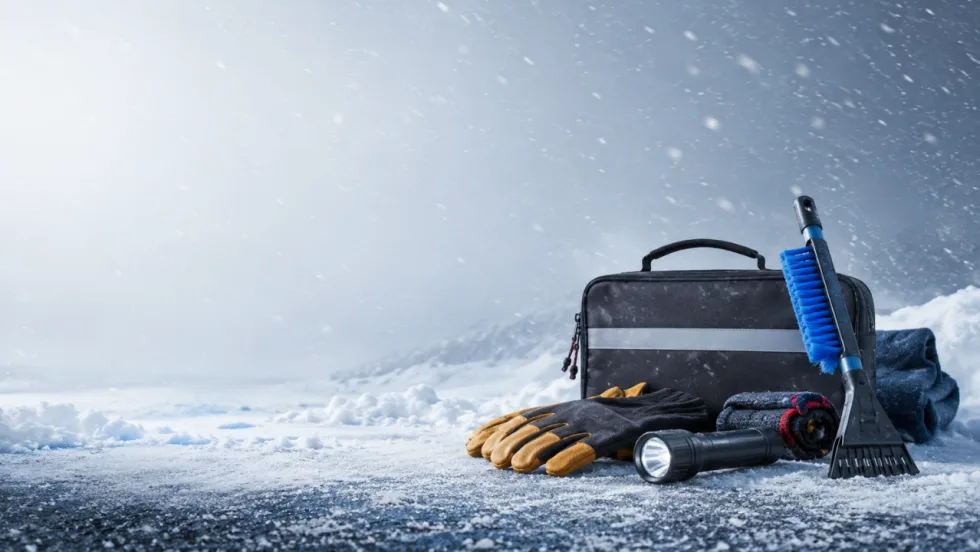
Winter Fleet Prep: Expert Tips to Keep Vehicles Running Smoothly
Cold weather can expose weak batteries, tires, fuel systems, and maintenance gaps fast. Use this winter fleet checklist to prepare trucks and drivers before temperatures drop.
Read More →
8 ADAS Maintenance Tips for Small Business Fleets From Bendix
A dirty camera, bad alignment, or one loose connection could quietly knock your fleet’s ADAS offline. Here’s what Bendix says to check.
Read More →
Developing Budget-Friendly Driver Safety Programs
From driver training and safety meetings to one-on-one coaching and incentive programs, several small fleets share how they have developed a safety culture with their drivers using low- to no-cost resources.
Read More →
A 20-Minute Safety Check for Small Fleets Before Operation Safe Driver Week
No safety department? No problem. Here's a practical checklist small fleet managers can use before Operation Safe Driver Week begins.
Read More →
Why Small Fleets Keep Getting Tripped Up by ELD Compliance
Roadcheck revealed a hard truth: most ELD violations aren't intentional. They're caused by small mistakes that can cost fleets time, money, and trust.
Read More →