


Safety Tip: Avoiding Crashes in Parking Lots
AAA offers advice on how to stay safe and avoid collisions in parking lots.


As most fleet managers know all too well, parking lot crashes account for an inordinate amount of fleet vehicle damage.
The 2017 Fleet Accident Survey found that fleet vehicle damage most commonly occurs when the vehicle is parked. This type of accident represents 11.41% of all crashes causing fleet damage. Accidents occurring while parking or backing up from a parking space are also quite common, representing 9.65% of fleet crashes.
Here are six tips from AAA on how to stay safe and avoid collisions in parking lots:
Stay Alert — Watch for cars cutting across parking lots and speeding through aisles. Take it slow and always use your turn signal. Avoid two-way lanes whenever possible.
Mind Your Manners — Don’t take up two spots by parking over the lines.
Protect Your Vehicle — Parking in congested areas increases the likelihood of scratches and dents from car doors or shopping carts. Park away from buildings during the day, but avoid secluded areas at night. If you can find a spot at the end of the row next to an island, take it. This is the best place to park your car. However, if there is no island, don’t park in an end space because this will leave your car vulnerable to turning traffic. Park in front of a light pole, if possible. The pole will protect your car from a driver who might pull too far forward and bash its front end, and the light will give you added security at night.
Walk Back Safely — When leaving or returning to your car, don’t dart between parked cars. Listen for cars and look for the illuminated brake lights of cars backing up. Pedestrians can be just as guilty as drivers when it comes to disobeying posted signs or not paying close enough attention to their surroundings. Protect yourself on foot, as well as when you’re driving.
Be Observant — When backing out, make sure you scan a full 360 degrees. There may be shoppers to your left and right, or other cars backing out at the same time. If it’s possible and legal in your area, pull through if there are two open nose-to-nose spaces. Being able to pull out head first instead of backing out of a spot will keep you safe.
Mail With Caution — If you have packages to send, keep in mind that post office parking lots have the highest frequency of accidents.
Originally posted on Automotive Fleet
More Safety
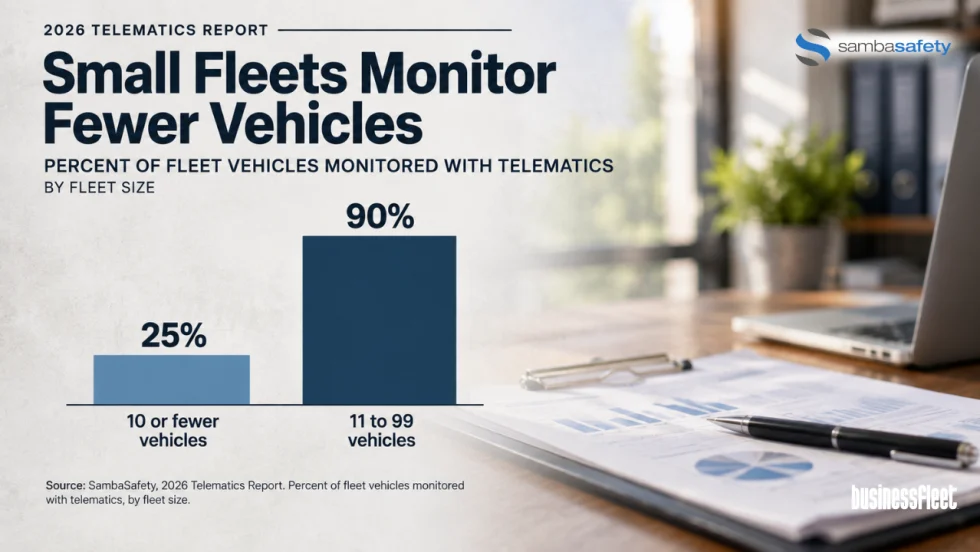
Small Fleets Lag in Telematics Coverage as Industry Moves Beyond Adoption
SambaSafety’s 2026 Telematics Report finds fleets with 10 or fewer vehicles monitor a much smaller share of their vehicles than larger operations, as the industry shifts its focus from collecting data to using it.
Read More →
Back-to-School Traffic Is Not the Risk Fleets Think It Is
Back-to-school traffic does not always mean more crashes. New Empiric Earth data shows why fleets should focus on when and where risk changes.
Read More →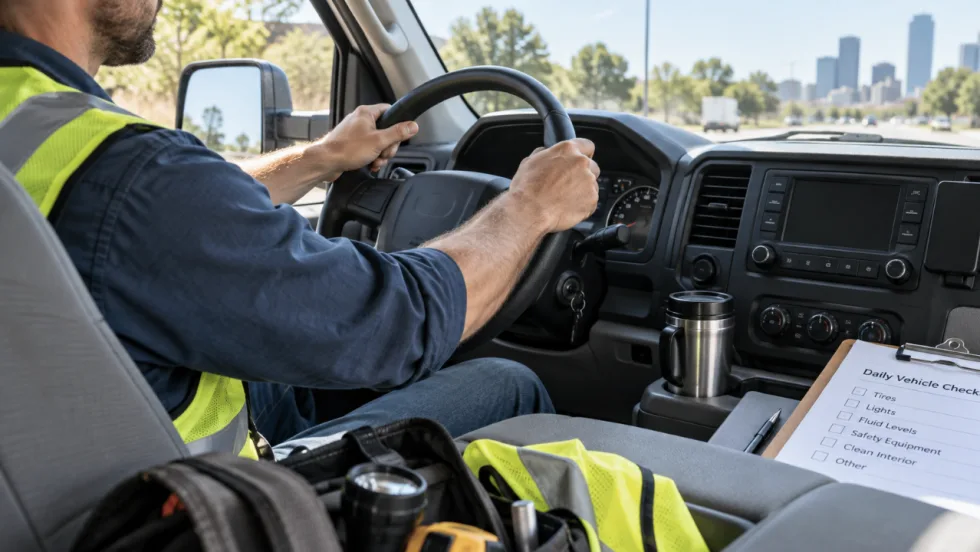
Small Fleet, Big Exposure: How to Reduce Workers’ Comp Risks
For small fleets, one crash can trigger far more than vehicle damage. Here’s how stronger driver safety policies, training, maintenance, and technology can help reduce workers’ comp exposure.
Read More →
Who Makes the Call When Winter Weather Gets Dangerous?
Winter weather can quickly change a small fleet’s plans. Knowing when to reroute, delay, or stop can matter just as much as preparing the vehicles themselves.
Read More →
API Issues Refueling Safety Guidelines
The American Petroleum Institute offers a list of safe vehicle refueling guidelines, including ways to avoid potential problems with static electricity discharges in fall, winter, and early spring.
Read More →
Winter Fleet Prep: Expert Tips to Keep Vehicles Running Smoothly
Cold weather can expose weak batteries, tires, fuel systems, and maintenance gaps fast. Use this winter fleet checklist to prepare trucks and drivers before temperatures drop.
Read More →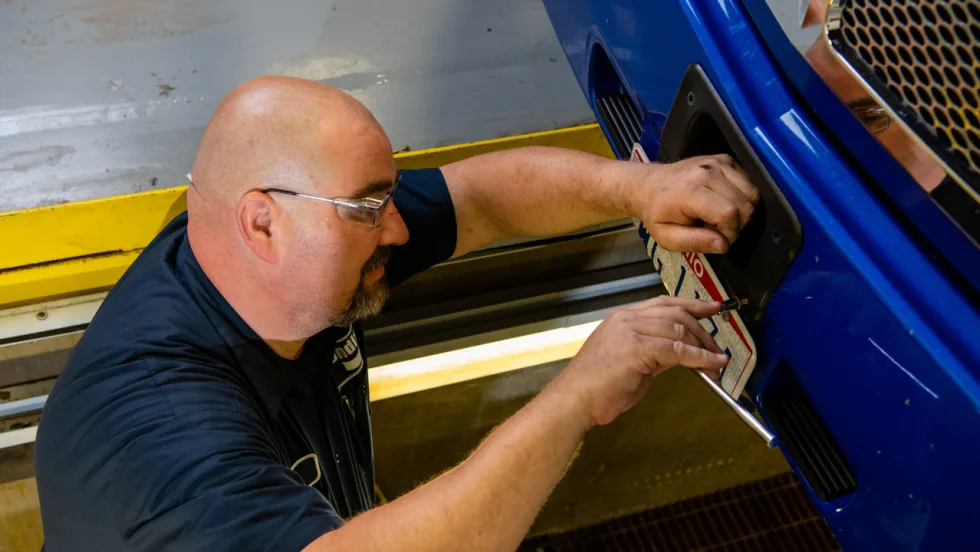
8 ADAS Maintenance Tips for Small Business Fleets From Bendix
A dirty camera, bad alignment, or one loose connection could quietly knock your fleet’s ADAS offline. Here’s what Bendix says to check.
Read More →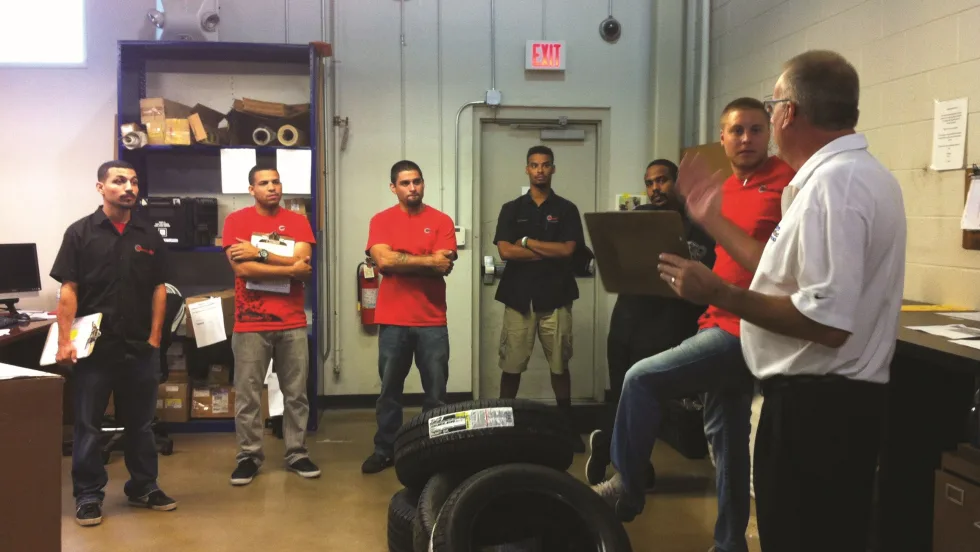
Developing Budget-Friendly Driver Safety Programs
From driver training and safety meetings to one-on-one coaching and incentive programs, several small fleets share how they have developed a safety culture with their drivers using low- to no-cost resources.
Read More →
A 20-Minute Safety Check for Small Fleets Before Operation Safe Driver Week
No safety department? No problem. Here's a practical checklist small fleet managers can use before Operation Safe Driver Week begins.
Read More →
Why Small Fleets Keep Getting Tripped Up by ELD Compliance
Roadcheck revealed a hard truth: most ELD violations aren't intentional. They're caused by small mistakes that can cost fleets time, money, and trust.
Read More →