


Side Impact Crash Test of BMW X5 by IIHS Shows Importance of Head Protection System

The BMW X5, the world's first light truck equipped with a head protection system, demonstrated the importance of such systems in a recent side-impact crash test conducted by the Insurance Institute for Highway Safety (IIHS). The test involved ramming an X5 sideways at 18 mph into a stationary pole. While the impact speed of this test might seem low, according to Brian O'Neill, president of IIHS, "impacts into rigid objects such as poles or trees at 18 mph are, in fact, very severe." After the test O'Neill observed, "these tests demonstrate that people can survive serious side impact crashes in the real world because head airbags prevent their heads from striking rigid objects." He went on to note that, "side airbags with head protection represent a very important safety development that will save lives and prevent major head trauma in a range of serious side impact crashes." Nearly 10,000 deaths occur each year in side impact crashes, according to the Fatality Analysis Reporting System of the U.S. Department of Transportation, and more than half of these deaths involve head injuries. Thirty eight percent of single-vehicle side impact crash deaths occur when vehicles strike trees or poles on the dead occupants' side. In two-vehicle side impact crashes, 38 percent of car occupant deaths occur when a pickup or SUV strikes the car. "At BMW, we are very dedicated to the safety and well-being of everyone who rides in our vehicles," said Tom Purves, chairman of BMW US Holding Corp., "which is why BMW was the first manufacturer to offer a head protection system in our automobiles and first again in a light truck. We are pleased that in side impact tests conducted twice by the Institute, BMW's HPS has proven itself to be so effective." The benefit of BMW's HPS was first demonstrated by the IIHS in 1998 in a side impact test of an HPS-equipped BMW 5 Series. After that test the International Brain Injury Association awarded BMW its "Safe Car of the Millennium" in recognition of the BMW Head Protection System. This is the second recent crash of the X5 performed by the IIHS. In a recent 40 mph frontal offset crash test, a BMW X5 not only achieved the best results of any SUV ever tested by the Institute, but the best results of any vehicle they had tested to date. About BMW of North America BMW of North America, Inc. was established in 1975. Since then, the company has grown to include marketing, sales and financial service organizations in the United States; a South Carolina manufacturing operation; DESIGNWORKS/USA, an industrial design firm in California; a technology office in Palo Alto and various other operations throughout the country. BMW is represented in the U.S. through a network of more than 340 car, 315 sports activity vehicle and 160 motorcycle retailers. BMW US Holding Corp., the group's headquarters for North, Central and South America, is located in Woodcliff Lake, New Jersey. For more information, visit http://www.bmwusa.com.
Originally posted on Work Truck Online
More Safety

Clocks Fall Back Nov. 1. Is Your Fleet Ready for Earlier Darkness?
Clocks fall back Nov. 1. Help your fleet prepare for earlier darkness with quick checks for driver visibility, schedules, fatigue, and seasonal road hazards.
Read More →
Tips for Driving Safely on Halloween Night
This video features a reminder from the Connecticut Department of Transportation (DOT) and the Connecticut Police Chiefs Association, urging drivers to prioritize safety this Halloween.
Read More →
Mercedes Benz Tests CLA Occupant and Battery Protection in Side Impact Crash
Two CLA sedans traveling at 35 mph were used in a Mercedes-Benz crash test examining occupant protection and electric vehicle battery safety.
Read More →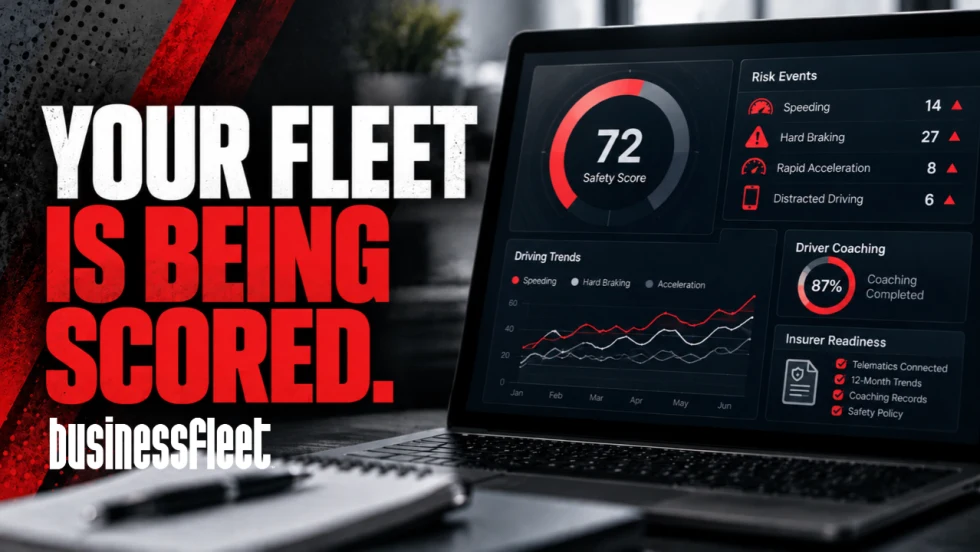
How Technology Can Help Fleet Owners Improve Insurability
Your fleet's telematics data could be the difference between getting insurance coverage and facing higher premiums or non-renewal. Here's what insurers are looking for and how fleets can use that data to make a stronger case at renewal.
Read More →
Simple Tire Checks That Help Keep Your Business Fleet Moving
A survey found that nearly one in every 10 passenger vehicles has at least one bald tire. What's more, 27% -- more than one in four -- of vehicles are driven with one or more severely under-inflated tires.
Read More →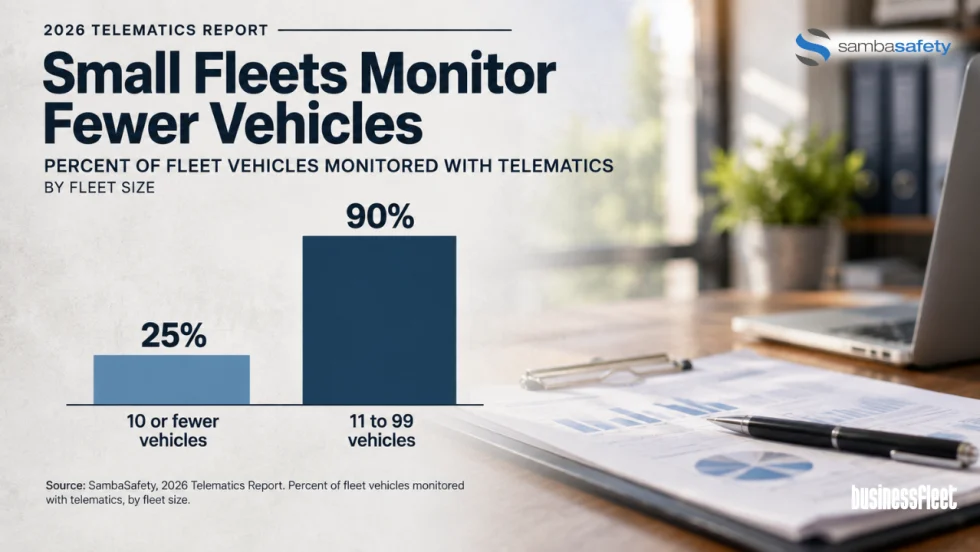
Small Fleets Lag in Telematics Coverage as Industry Moves Beyond Adoption
SambaSafety’s 2026 Telematics Report finds fleets with 10 or fewer vehicles monitor a much smaller share of their vehicles than larger operations, as the industry shifts its focus from collecting data to using it.
Read More →
Back-to-School Traffic Is Not the Risk Fleets Think It Is
Back-to-school traffic does not always mean more crashes. New Empiric Earth data shows why fleets should focus on when and where risk changes.
Read More →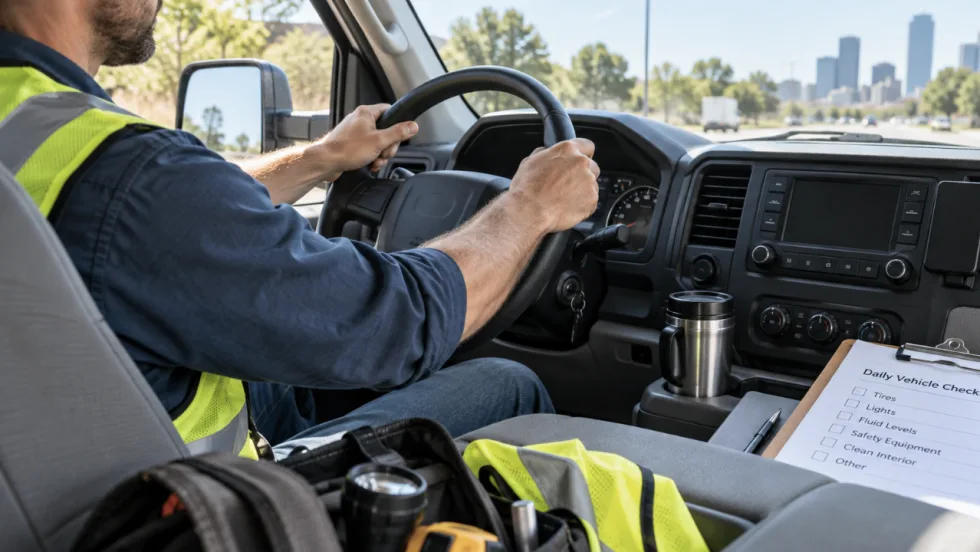
Small Fleet, Big Exposure: How to Reduce Workers’ Comp Risks
For small fleets, one crash can trigger far more than vehicle damage. Here’s how stronger driver safety policies, training, maintenance, and technology can help reduce workers’ comp exposure.
Read More →
Who Makes the Call When Winter Weather Gets Dangerous?
Winter weather can quickly change a small fleet’s plans. Knowing when to reroute, delay, or stop can matter just as much as preparing the vehicles themselves.
Read More →
API Issues Refueling Safety Guidelines
The American Petroleum Institute offers a list of safe vehicle refueling guidelines, including ways to avoid potential problems with static electricity discharges in fall, winter, and early spring.
Read More →