


Video: Studies Find Voice-Controlled Infotainment Distracting
The AAA Foundation for Traffic Safety teams with University of Utah psychology researchers to measure driver distraction levels associated with giving voice commands to control electronics and update social media.
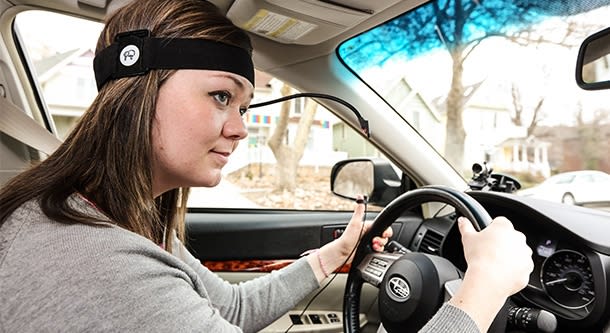
Photo courtesy of AAA/University of Utah.
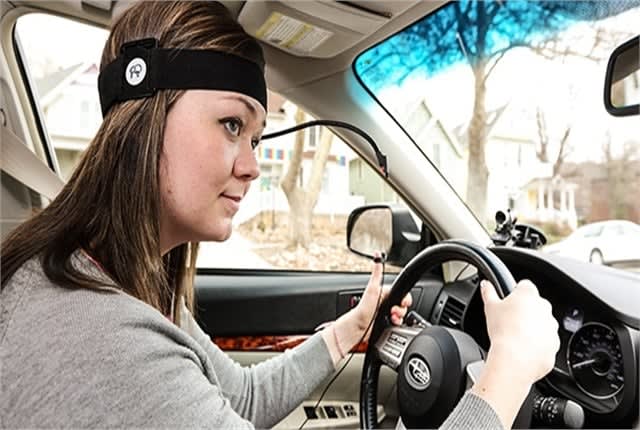
Photo courtesy of AAA/University of Utah.
VIDEO: Researchers Measure Distraction Levels of Voice-Activated Systems
Two new studies from AAA and the University of Utah conclude that hands-free, voice-controlled vehicle infotainment systems can distract drivers, although it is possible to design them to be safer.
“Even though your car may be configured to support social media, texting and phone calls, it doesn’t mean it is safe to do so,” said David Strayer, University of Utah psychology professor and the study’s leader. “The primary task should be driving. Things that take your attention away make you a poor driver and make the roads less safe.”
The AAA Foundation for Traffic Safety, an arm of the nonprofit AAA, sponsored the studies. To view a video report on the studies, click on the photo or link above.
One study concludes that using your voice to make phone calls and tune the radio with Chevrolet’s MyLink system distracted drivers the most. Mercedes’ COMMAND system, MyFord Touch and Chrysler’s UConnect were better, but all diverted attention more than a cell phone conversation, according to researchers.
The least distracting system was Toyota’s Entune, which took as much attention as listening to a book on tape. Entune was followed by Hyundai’s Blue Link, which was a bit more distracting but less so than talking with a passenger, according to researchers.
In the other new study, participants used Apple iPhone’s Siri to send and receive texts, post to Facebook and Twitter, and use a calendar. Siri was more distracting than any other voice-activated technology – even when it was modified for use as a hands-free, eyes-free device so drivers kept their hands on the wheel and eyes on the road, the study concludes.
AAA and Strayer urge drivers to minimize use of distracting in-vehicle technology. The new studies provide recommendations to automakers to help make future voice-controlled systems “simpler and more accurate” and thus less distracting, Strayer said.
“We are concerned we may be making distraction problems worse by going to voice-activated technology, especially if it’s not easy to use,” Strayer said. “But the reality is these systems are here to stay. Given that, let’s make the technology as safe as possible with the goal of making it no more distracting than listening to the radio.”
The studies involved 162 University of Utah students and other volunteers who performed a series of tasks -- such as calling, texting and tuning the radio -- using various voice-based, interactive technologies. They performed these tasks while they looked at a computer screen, operated a driving simulator and drove real cars on a loop through Salt Lake City’s Avenues district.
In the real cars, drivers were accompanied by at least one researcher responsible for data collection and for safety spotting to prevent mishaps, such as running stop signs. Video cameras recorded drivers’ actions and the road ahead.
The findings follow a 2013 AAA-University of Utah study that concluded using hands-free devices to talk, text or send e-mail is distracting and risky for motorists.
The 2013 study established a five-point scale for measuring driver distractions: 1 represents the mental workload of driving without distraction, while 5 represents severe distraction caused when drivers performed a complex math-and-memorization test.
The 2013 study gave distraction ratings (from least to most distracting) of 1.21 for listening to the radio, 1.75 for listening to a book on tape, 2.27 for using a hands-free cell phone, 2.33 for talking with a passenger, 2.45 for using a hand-held cell phone and 3.06 for using a speech-to-text system that recognized commands perfectly to play and compose emails and texts.
Both of the new studies used the same scale. One new study scored common voice interactions with specific infotainment systems in some of the most common auto brands on U.S. roads. Here they are, from least distracting to most distracting:
1.7 for Toyota’s Entune
2.2 for Hyundai’s Blue Link Telematics System
2.7 for Chrysler’s UConnect System
3.0 for the Ford SYNC with MyFord Touch system
3.1 for Mercedes’ COMMAND system
3.7 for Chevrolet’s MyLink.
The Toyota and Hyundai systems show “these systems can be designed so they aren’t very distracting to drivers,” Strayer said.
The other new study rated distractions from eight different ways of interacting with a car by voice command. The ratings, from least to most distracting, were:
1.88 to issue simple voice commands, like turn on heat or tune the radio
2.04 to ask a natural, recorded voice to play emails and texts
2.31 to ask a computerized voice to play emails and texts
2.83 to use an error-free, voice menu system to navigate to destinations
3.06 to ask a computerized voice to play and compose emails and texts
3.09 to ask a natural, recorded voice to play and compose emails and texts
3.67 to use an error-prone voice-based menu system to navigate to destinations
4.14 to use Apple’s Siri (version iOS 7) to navigate, send and receiving texts, make Facebook and Twitter posts and use the calendar without handling or looking at the phone itself.
Strayer’s tests of Siri allowed drivers – wearing lapel microphones – to interact with Siri as a researcher in the back seat actually manipulated the phone.
“We wanted to focus on mental distraction or workload,” so there was no additional distraction from looking at or handling an iPhone, Strayer explained. He adds that Apple officials told him Siri learns and gets more accurate over time.
“Some of the most advanced technology, such as Siri, can lead to high levels of distraction when you’re trying to drive,” Strayer said. “When these systems become more complex, like sending text messages or posting to Facebook, it pushes the workloads to pretty high levels and may be dangerous while driving.”
Researchers concluded that the more distracting voice-based systems were that way because they were too complex, mentally demanding, difficult to use and often inaccurate at recognizing voice commands.
“It was to the point where drivers [in the experiments] were cursing the systems out, especially the ones that were difficult and wouldn’t do what they want,” Strayer said. “If you want to buy one of these cars, make sure you can actually use the voice-based technology before you leave the lot. Some of these systems are very difficult to use.”
Strayer added: “We need to be smart about how we use this technology. Just because it’s there doesn’t mean we should use it. In some situations, it can be sufficiently distracting that it can impair road safety.”
Originally posted on Automotive Fleet
More Safety
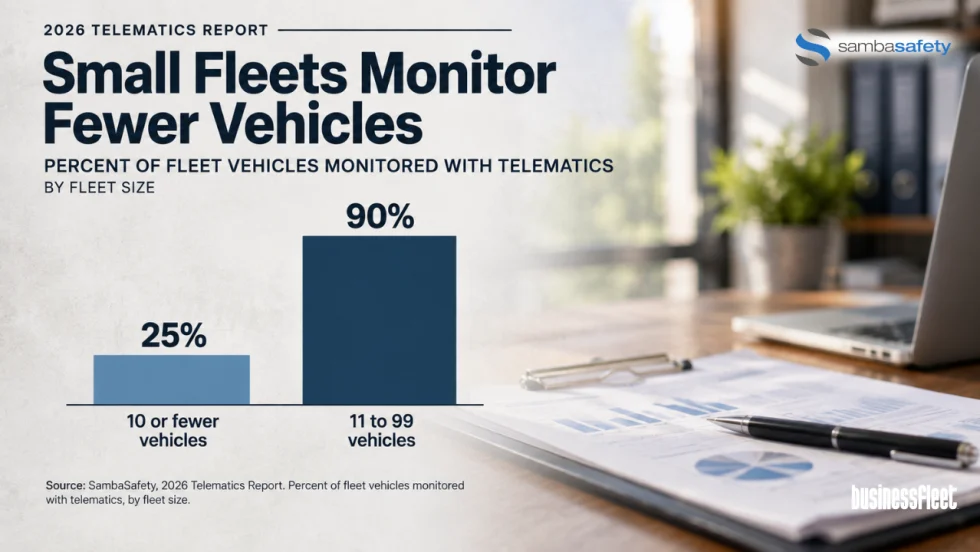
Small Fleets Lag in Telematics Coverage as Industry Moves Beyond Adoption
SambaSafety’s 2026 Telematics Report finds fleets with 10 or fewer vehicles monitor a much smaller share of their vehicles than larger operations, as the industry shifts its focus from collecting data to using it.
Read More →
Back-to-School Traffic Is Not the Risk Fleets Think It Is
Back-to-school traffic does not always mean more crashes. New Empiric Earth data shows why fleets should focus on when and where risk changes.
Read More →
Small Fleet, Big Exposure: How to Reduce Workers’ Comp Risks
For small fleets, one crash can trigger far more than vehicle damage. Here’s how stronger driver safety policies, training, maintenance, and technology can help reduce workers’ comp exposure.
Read More →
Who Makes the Call When Winter Weather Gets Dangerous?
Winter weather can quickly change a small fleet’s plans. Knowing when to reroute, delay, or stop can matter just as much as preparing the vehicles themselves.
Read More →
API Issues Refueling Safety Guidelines
The American Petroleum Institute offers a list of safe vehicle refueling guidelines, including ways to avoid potential problems with static electricity discharges in fall, winter, and early spring.
Read More →
Winter Fleet Prep: Expert Tips to Keep Vehicles Running Smoothly
Cold weather can expose weak batteries, tires, fuel systems, and maintenance gaps fast. Use this winter fleet checklist to prepare trucks and drivers before temperatures drop.
Read More →
8 ADAS Maintenance Tips for Small Business Fleets From Bendix
A dirty camera, bad alignment, or one loose connection could quietly knock your fleet’s ADAS offline. Here’s what Bendix says to check.
Read More →
Developing Budget-Friendly Driver Safety Programs
From driver training and safety meetings to one-on-one coaching and incentive programs, several small fleets share how they have developed a safety culture with their drivers using low- to no-cost resources.
Read More →
A 20-Minute Safety Check for Small Fleets Before Operation Safe Driver Week
No safety department? No problem. Here's a practical checklist small fleet managers can use before Operation Safe Driver Week begins.
Read More →
Why Small Fleets Keep Getting Tripped Up by ELD Compliance
Roadcheck revealed a hard truth: most ELD violations aren't intentional. They're caused by small mistakes that can cost fleets time, money, and trust.
Read More →