


Volkswagen's 2018 Atlas Captures Top Safety Pick Award
The new mid-size SUV aces the crash-worthiness tests administered by the Insurance Institute for Highway Safety.

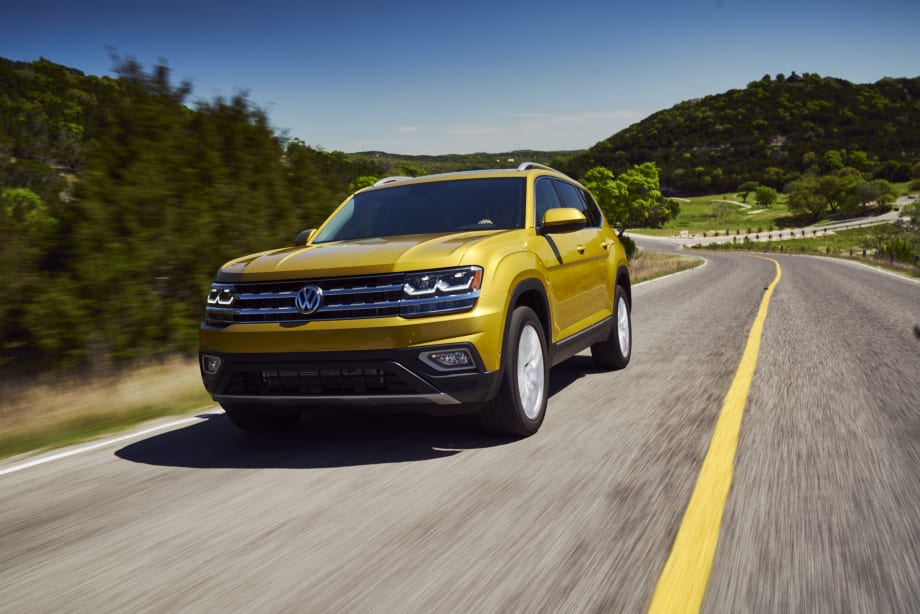
Volkswagen Atlas
Photo: Volkswagen
The 2018 Volkswagen Atlas, a new mid-size SUV, has earned the Top Safety Pick award from the Insurance Institute for Highway Safety, the institute said.
To qualify for the 2017 IIHS Top Safety Pick award, a vehicle must draw the highest possible rating of “good” in all five crashworthiness tests. The tests assess small overlap front, moderate overlap front, and side crashworthiness. Also evaluated are roof strength and head restraints.
Additionally, an IIHS Top Safety Pick award-winning vehicle must have an available front crash prevention system that draws a rating of “advanced” or “superior.”
The Atlas has an optional front crash prevention system that earned a “superior” rating, IIHS said. In the 12 mph track test, the vehicle avoided a collision. In the 25 mph test, the impact speed was reduced by 17 mph. The system also has a forward collision-warning component that meets criteria from the National Highway Traffic Safety Administration.
The Atlas fell short of the Top Safety Pick+ designation, however, because the vehicle’s available headlights drew ratings of “marginal” and “poor,” IIHS said. “Good”- or “acceptable”-rated headlights are required for the more prestigious Top Safety Pick+ award.
Originally posted on Automotive Fleet
More Safety

Clocks Fall Back Nov. 1. Is Your Fleet Ready for Earlier Darkness?
Clocks fall back Nov. 1. Help your fleet prepare for earlier darkness with quick checks for driver visibility, schedules, fatigue, and seasonal road hazards.
Read More →
Tips for Driving Safely on Halloween Night
This video features a reminder from the Connecticut Department of Transportation (DOT) and the Connecticut Police Chiefs Association, urging drivers to prioritize safety this Halloween.
Read More →
Mercedes Benz Tests CLA Occupant and Battery Protection in Side Impact Crash
Two CLA sedans traveling at 35 mph were used in a Mercedes-Benz crash test examining occupant protection and electric vehicle battery safety.
Read More →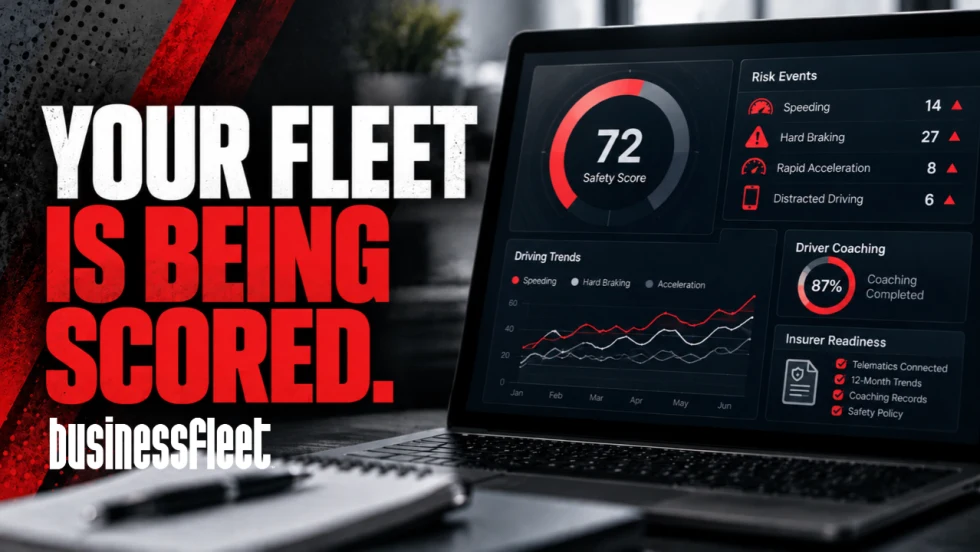
How Technology Can Help Fleet Owners Improve Insurability
Your fleet's telematics data could be the difference between getting insurance coverage and facing higher premiums or non-renewal. Here's what insurers are looking for and how fleets can use that data to make a stronger case at renewal.
Read More →
Simple Tire Checks That Help Keep Your Business Fleet Moving
A survey found that nearly one in every 10 passenger vehicles has at least one bald tire. What's more, 27% -- more than one in four -- of vehicles are driven with one or more severely under-inflated tires.
Read More →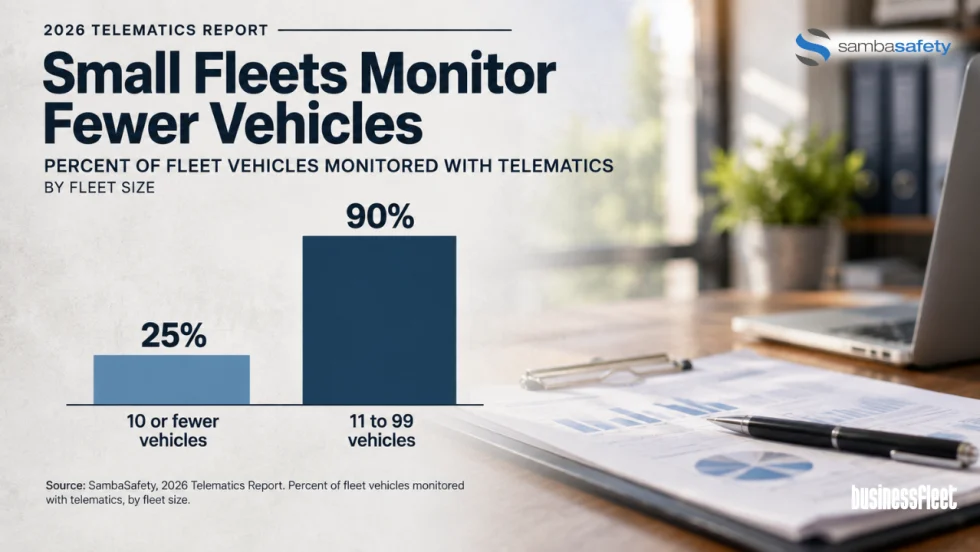
Small Fleets Lag in Telematics Coverage as Industry Moves Beyond Adoption
SambaSafety’s 2026 Telematics Report finds fleets with 10 or fewer vehicles monitor a much smaller share of their vehicles than larger operations, as the industry shifts its focus from collecting data to using it.
Read More →
Back-to-School Traffic Is Not the Risk Fleets Think It Is
Back-to-school traffic does not always mean more crashes. New Empiric Earth data shows why fleets should focus on when and where risk changes.
Read More →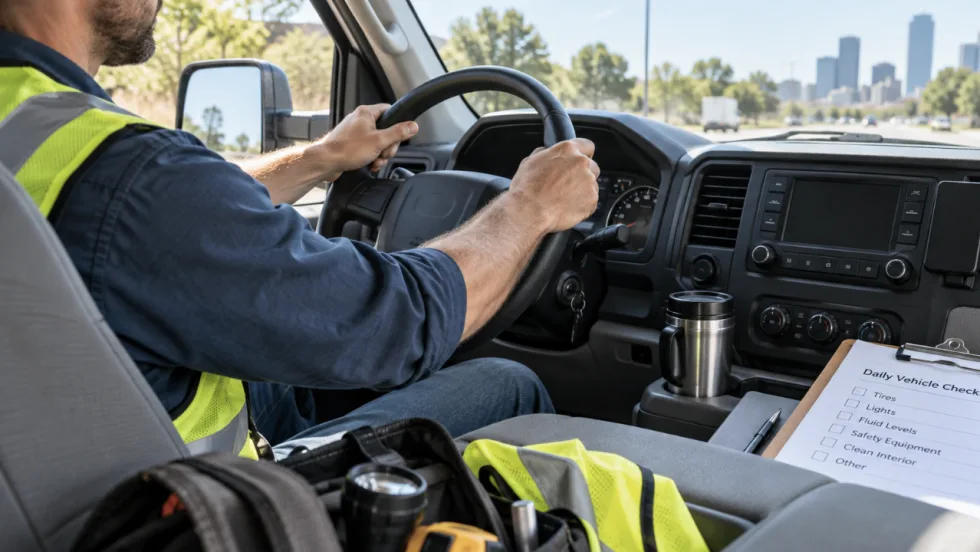
Small Fleet, Big Exposure: How to Reduce Workers’ Comp Risks
For small fleets, one crash can trigger far more than vehicle damage. Here’s how stronger driver safety policies, training, maintenance, and technology can help reduce workers’ comp exposure.
Read More →
Who Makes the Call When Winter Weather Gets Dangerous?
Winter weather can quickly change a small fleet’s plans. Knowing when to reroute, delay, or stop can matter just as much as preparing the vehicles themselves.
Read More →
API Issues Refueling Safety Guidelines
The American Petroleum Institute offers a list of safe vehicle refueling guidelines, including ways to avoid potential problems with static electricity discharges in fall, winter, and early spring.
Read More →