


A Majority of Drivers Want Improved ADAS Systems
These findings signal that people are open to more sophisticated vehicle technology, which if they provide positive experiences for drivers, will open the road to self-driving vehicle acceptance, according to AAA’s annual automated vehicle survey.


According to AAA’s annual automated vehicle survey only 22% of people feel manufacturers should focus on developing self-driving vehicles.
Photo: AAA
The majority of drivers (80%) say they want manufacturers to improve available advanced driver-assistance systems as opposed to developing autonomous vehicles, according to AAA.
According to AAA’s annual automated vehicle survey only 22% of people feel manufacturers should focus on developing self-driving vehicles. The study also found that 58% of respondents want the latest vehicle safety systems in their next vehicle.
These findings signal that people are open to more sophisticated vehicle technology, which if they provide positive experiences for drivers, will open the road to self-driving vehicle acceptance, AAA said.
“People are ready to embrace new vehicle technology, especially if it will make driving safer,” said Greg Brannon, AAA’s director of automotive engineering and industry relations. “Consumers are clear about what they want and if automakers seize the opportunity to provide a better experience now, it will pave the way for the vehicles of tomorrow.”
Nearly 96% of 2020 vehicle models came equipped with at least one ADAS solution such as automatic emergency braking, blind spot warning or lane keeping assistance, according to AAA.
Previous AAA research has found that some systems, particularly those that provide the highest level of automation available to the public, do not always work as expected,AAA said. These negative experiences could influence driver opinion of future vehicle automation. It also reinforces the need for manufacturers to continue to hone vehicle technology by expanding testing and focusing on including more real-world scenarios encountered by drivers.
Recent surveys from AAA found that 86% of drivers either said they would be afraid to ride in a self-driving vehicle (54%) or are unsure about it (32%), according to AAA.
The survey was conducted January 15-17, 2021, using a probability-based panel designed to be representative of the U.S. household population overall. The panel provides sample coverage of approximately 97% of the U.S. household population.
Originally posted on Automotive Fleet
More Safety
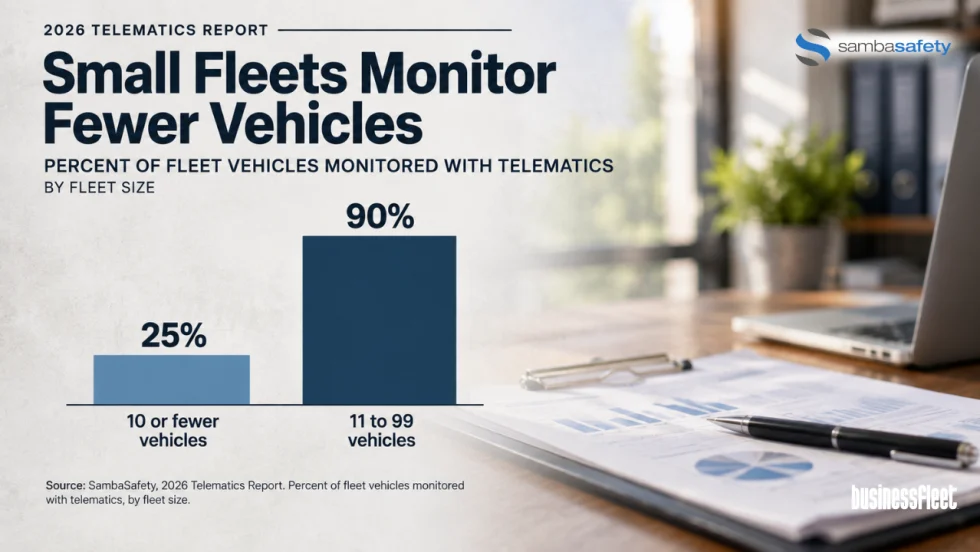
Small Fleets Lag in Telematics Coverage as Industry Moves Beyond Adoption
SambaSafety’s 2026 Telematics Report finds fleets with 10 or fewer vehicles monitor a much smaller share of their vehicles than larger operations, as the industry shifts its focus from collecting data to using it.
Read More →
Back-to-School Traffic Is Not the Risk Fleets Think It Is
Back-to-school traffic does not always mean more crashes. New Empiric Earth data shows why fleets should focus on when and where risk changes.
Read More →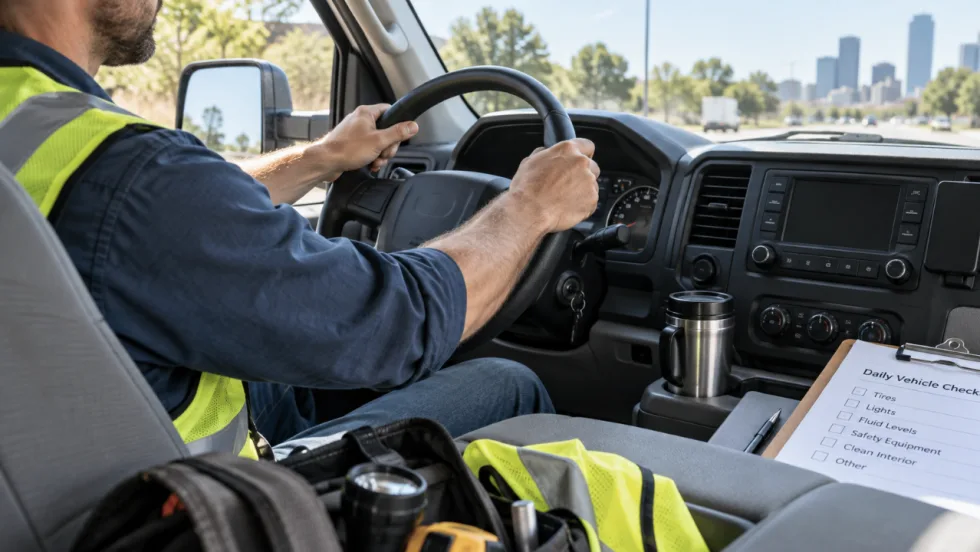
Small Fleet, Big Exposure: How to Reduce Workers’ Comp Risks
For small fleets, one crash can trigger far more than vehicle damage. Here’s how stronger driver safety policies, training, maintenance, and technology can help reduce workers’ comp exposure.
Read More →
Who Makes the Call When Winter Weather Gets Dangerous?
Winter weather can quickly change a small fleet’s plans. Knowing when to reroute, delay, or stop can matter just as much as preparing the vehicles themselves.
Read More →
API Issues Refueling Safety Guidelines
The American Petroleum Institute offers a list of safe vehicle refueling guidelines, including ways to avoid potential problems with static electricity discharges in fall, winter, and early spring.
Read More →
Winter Fleet Prep: Expert Tips to Keep Vehicles Running Smoothly
Cold weather can expose weak batteries, tires, fuel systems, and maintenance gaps fast. Use this winter fleet checklist to prepare trucks and drivers before temperatures drop.
Read More →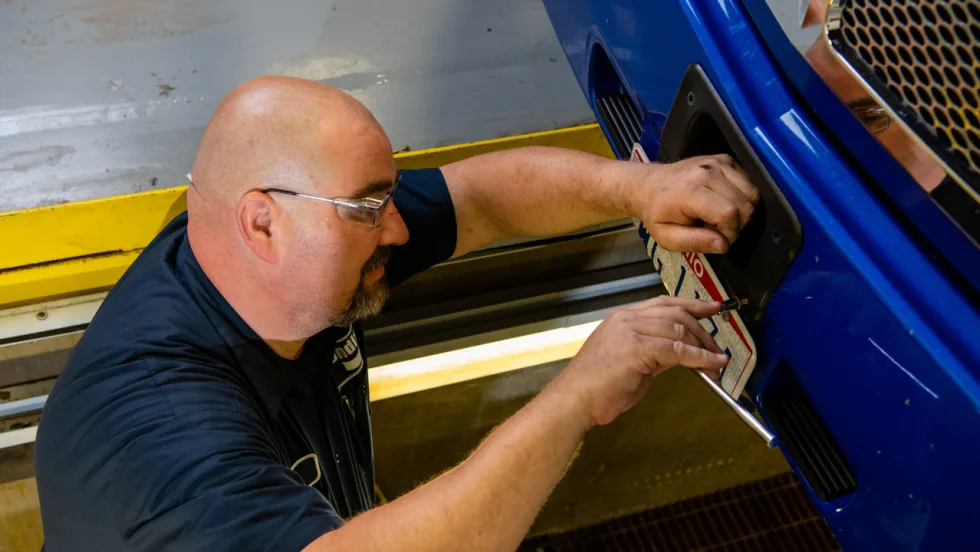
8 ADAS Maintenance Tips for Small Business Fleets From Bendix
A dirty camera, bad alignment, or one loose connection could quietly knock your fleet’s ADAS offline. Here’s what Bendix says to check.
Read More →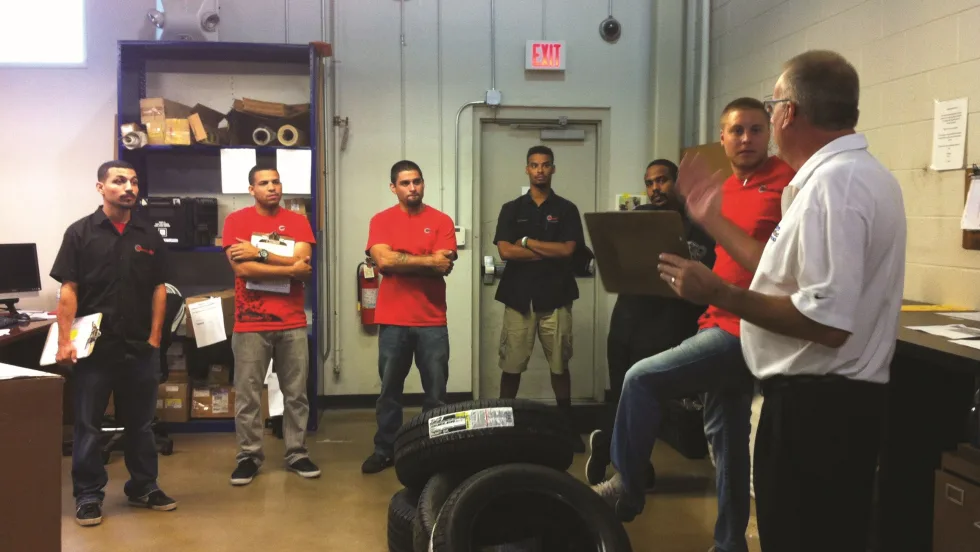
Developing Budget-Friendly Driver Safety Programs
From driver training and safety meetings to one-on-one coaching and incentive programs, several small fleets share how they have developed a safety culture with their drivers using low- to no-cost resources.
Read More →
A 20-Minute Safety Check for Small Fleets Before Operation Safe Driver Week
No safety department? No problem. Here's a practical checklist small fleet managers can use before Operation Safe Driver Week begins.
Read More →
Why Small Fleets Keep Getting Tripped Up by ELD Compliance
Roadcheck revealed a hard truth: most ELD violations aren't intentional. They're caused by small mistakes that can cost fleets time, money, and trust.
Read More →