


Fleet Safety Video Tip: Understanding Two-Lane Roundabouts
This video from the Minnesota Department of Transportation explains what rules apply when you drive through a multi-lane roundabout.
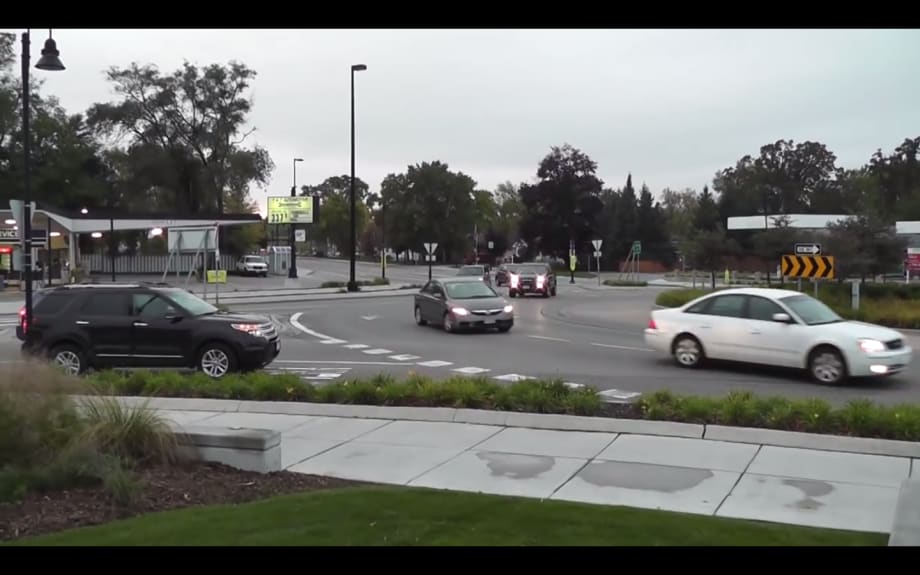
VIDEO: Navigating a Multi-Lane Roundabout
Though research shows that injury crash rates drop after a roundabout replaces a traditional intersection, proposals for roundabouts often meet stiff public resistance. That’s primarily because some drivers find roundabouts unfamiliar and confusing – particularly the ones with more than one lane.
Last year, the Insurance Institute for Highway Safety released a study examining the impact of a pair of two-lane roundabouts near Bellingham, Wash. Data showed that injury crashes declined dramatically and traffic flow improved at the sites after the roundabouts were built. However, the rates of crashes with only property damage increased. Surveys of local residents indicated the latter trend was due to driver confusion.
“Roundabouts have many safety advantages over traffic lights and stop signs, and these projects in Washington resulted in real improvements,” Anne McCartt, IIHS senior vice president for research, explained when the research came out. “At the same time, driver confusion is a potential pitfall. Two-lane roundabouts are inherently more complicated than single-lane roundabouts, so extra care is needed to ensure that the rules for navigating the roundabout are communicated.”
So here is a video, produced for the Minnesota Department of Transportation, explaining how to navigate a multi-lane roundabout. You may want to pass this along to your fleet drivers as a friendly reminder – or just in case any drivers have never driven through one and aren't 100-percent sure what to do.
Originally posted on Automotive Fleet
More Safety

Clocks Fall Back Nov. 1. Is Your Fleet Ready for Earlier Darkness?
Clocks fall back Nov. 1. Help your fleet prepare for earlier darkness with quick checks for driver visibility, schedules, fatigue, and seasonal road hazards.
Read More →
Tips for Driving Safely on Halloween Night
This video features a reminder from the Connecticut Department of Transportation (DOT) and the Connecticut Police Chiefs Association, urging drivers to prioritize safety this Halloween.
Read More →
Mercedes Benz Tests CLA Occupant and Battery Protection in Side Impact Crash
Two CLA sedans traveling at 35 mph were used in a Mercedes-Benz crash test examining occupant protection and electric vehicle battery safety.
Read More →
How Technology Can Help Fleet Owners Improve Insurability
Your fleet's telematics data could be the difference between getting insurance coverage and facing higher premiums or non-renewal. Here's what insurers are looking for and how fleets can use that data to make a stronger case at renewal.
Read More →
Simple Tire Checks That Help Keep Your Business Fleet Moving
A survey found that nearly one in every 10 passenger vehicles has at least one bald tire. What's more, 27% -- more than one in four -- of vehicles are driven with one or more severely under-inflated tires.
Read More →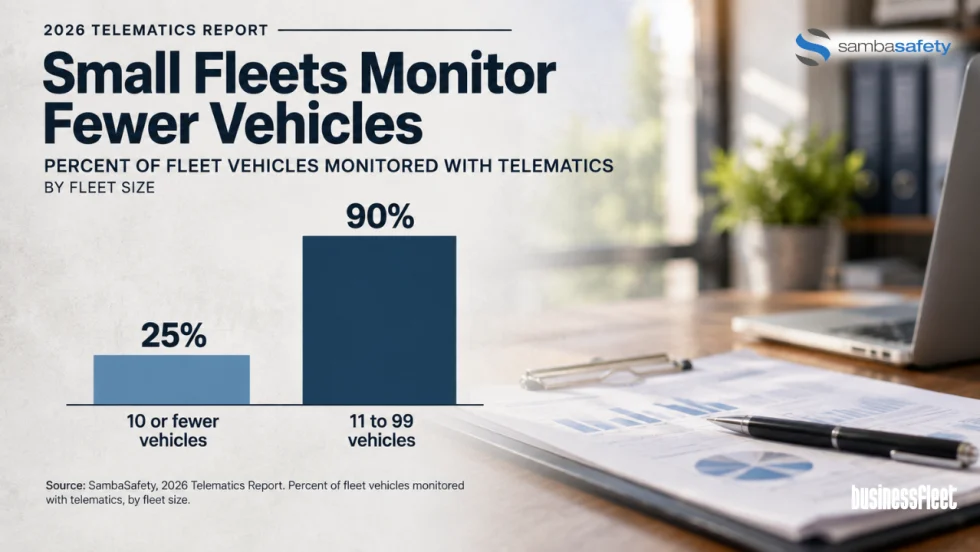
Small Fleets Lag in Telematics Coverage as Industry Moves Beyond Adoption
SambaSafety’s 2026 Telematics Report finds fleets with 10 or fewer vehicles monitor a much smaller share of their vehicles than larger operations, as the industry shifts its focus from collecting data to using it.
Read More →
Back-to-School Traffic Is Not the Risk Fleets Think It Is
Back-to-school traffic does not always mean more crashes. New Empiric Earth data shows why fleets should focus on when and where risk changes.
Read More →
Small Fleet, Big Exposure: How to Reduce Workers’ Comp Risks
For small fleets, one crash can trigger far more than vehicle damage. Here’s how stronger driver safety policies, training, maintenance, and technology can help reduce workers’ comp exposure.
Read More →
Who Makes the Call When Winter Weather Gets Dangerous?
Winter weather can quickly change a small fleet’s plans. Knowing when to reroute, delay, or stop can matter just as much as preparing the vehicles themselves.
Read More →
API Issues Refueling Safety Guidelines
The American Petroleum Institute offers a list of safe vehicle refueling guidelines, including ways to avoid potential problems with static electricity discharges in fall, winter, and early spring.
Read More →