


Ford Acquires Stake in Driver Training Firm
Ford Motor Company is making automotive history with the acquisition of an equity stake in Top Driver, Inc., the nation's leading provider of integrated driver training and education

Ford Motor Company is making automotive history with the acquisition of an equity stake in Top Driver, Inc., the nation's leading provider of integrated driver training and education. Ford is the only automotive manufacturer in the U.S. to have such an alliance. "It is Ford Motor Company's goal to become the world's leading provider of automotive products and services. With the acquisition of an interest in Top Driver, we'll be able to move beyond building and servicing safe vehicles to teaching drivers safe driving techniques," said James C. Schroer, Ford Motor Company vice president of Global Marketing. "It's consistent with our Trustmark to demonstrate our commitment to the safety of all drivers." Schroer continues, "Last winter, Ford began researching companies with which to create an alliance in driver education, and chose Top Driver because we were impressed with the management team and their strategy. We determined that Top Driver the best company in the driver training industry. It has the best instructors, the best curriculum, the best training overall." "When I approached Ford early last year to discuss a strategic relationship it turns out they were simultaneously evaluating Top Driver," said Sebastian Giordano, CEO of Top Driver. "The timing was right, but more importantly, our goals are aligned -- to develop a long-term, trusting relationship with all drivers and provide, among other things, the most comprehensive driver training available. We want to improve the quality of life as it relates to driver safety." About Top Driver Top Driver provides instruction for all drivers and vehicle types, including novice, corporate fleet, commercial driver's license, specialty vehicle, handicapped and seniors. In addition to behind-the-wheel instruction, Top Driver offers computer-based and instructor-lead training in its classrooms and at-home training via videotape, CD-ROM, and the Internet. Top Driver instructors also will attend special Ford Motor Company new model training workshops to learn about the latest safety innovations and how to communicate with drivers about safety technology as well as safe driving techniques. "The relationship with Top Driver complements our commitment to safety," said Paul Szatkowski, Ford marketing program manager. "Our efforts have expanded from building in safety 'hardware' innovations such as airbags and antilock brakes to focusing directly on the 'software,' or training to provide the skills necessary for driving safely. "One of our goals was to address the need in the marketplace for standardization," Szatkowski said. "The driver training market is characterized by a high degree of fragmentation and the Top Driver-Ford Motor Company alliance provides a strong, unified presence in the industry that will benefit consumers." Currently, Top Driver has driver training centers in eight states: Connecticut, Florida, Indiana, Maryland, Michigan, New Jersey, New York and Ohio. Plans are to expand its classroom locations to 20 states within three years. In addition, Top Driver has the largest library of video and CD-ROM driver training content to address the driver training needs of individual, corporate fleets and commercial drivers in all 50 states. Alliance Offers Synergies Ford expects its alliance with Top Driver to offer tremendous synergies, according to company officials. Expansion plans will be accelerated. Customers will be trained using up-to-date Ford vehicles such as the Ford Focus, Escape and Taurus, and, in the future, other Ford Motor Company brands. People who complete a novice training course will be eligible for special deals on Ford vehicles. In addition, individuals who successfully complete many of Top Driver's courses may be eligible for discounts of up to 20 percent on the cost of their automobile insurance. According to the National Safety Council and the National Highway Traffic Safety Administration (NHTSA), statistics support the need for comprehensive, national driver's training: * Vehicle crashes are the leading cause of death among teens. * Four million new teen drivers take to the roads each year, and half of those drivers are involved in accidents within their first year of driving. * Many high schools are dropping driver education from their curriculum, even though driver's training programs help reduce crashes by up to 86 percent. * Three million adult first-time drivers enter the driver training market each year. * Vehicle crashes are the leading cause of death in the workplace. * Vehicle crashes cost the country nearly $300 billion annually in property damage, lost productivity, increased insurance premiums, medical premiums, workers' compensation and disability. "With statistics like these in mind, we see a great opportunity to have a positive impact," Schroer said. "Ford Motor Company has been playing a key role in people's lives for a century, and we intend to continue filling consumers' needs as those needs evolve. We touch the lives of millions of people every day in very emotional ways. We'd like to see as many of those experiences as possible be positive." The investment in Top Driver, which was finalized in October 2000 after nine months of research and negotiation, complements Ford of Canada's operation of Young Drivers training schools over the past 18 months, according to company officials.
Originally posted on Work Truck Online
More Safety

Clocks Fall Back Nov. 1. Is Your Fleet Ready for Earlier Darkness?
Clocks fall back Nov. 1. Help your fleet prepare for earlier darkness with quick checks for driver visibility, schedules, fatigue, and seasonal road hazards.
Read More →
Tips for Driving Safely on Halloween Night
This video features a reminder from the Connecticut Department of Transportation (DOT) and the Connecticut Police Chiefs Association, urging drivers to prioritize safety this Halloween.
Read More →
Mercedes Benz Tests CLA Occupant and Battery Protection in Side Impact Crash
Two CLA sedans traveling at 35 mph were used in a Mercedes-Benz crash test examining occupant protection and electric vehicle battery safety.
Read More →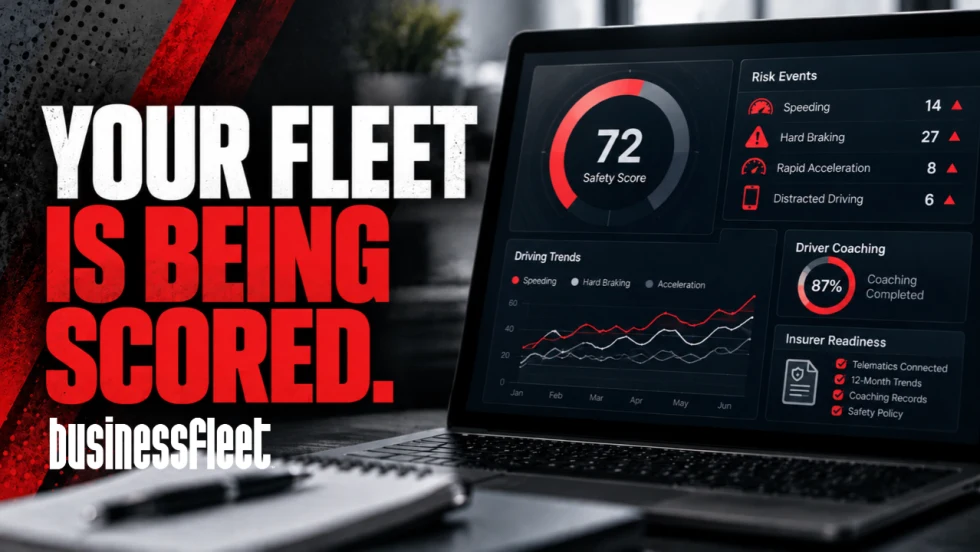
How Technology Can Help Fleet Owners Improve Insurability
Your fleet's telematics data could be the difference between getting insurance coverage and facing higher premiums or non-renewal. Here's what insurers are looking for and how fleets can use that data to make a stronger case at renewal.
Read More →
Simple Tire Checks That Help Keep Your Business Fleet Moving
A survey found that nearly one in every 10 passenger vehicles has at least one bald tire. What's more, 27% -- more than one in four -- of vehicles are driven with one or more severely under-inflated tires.
Read More →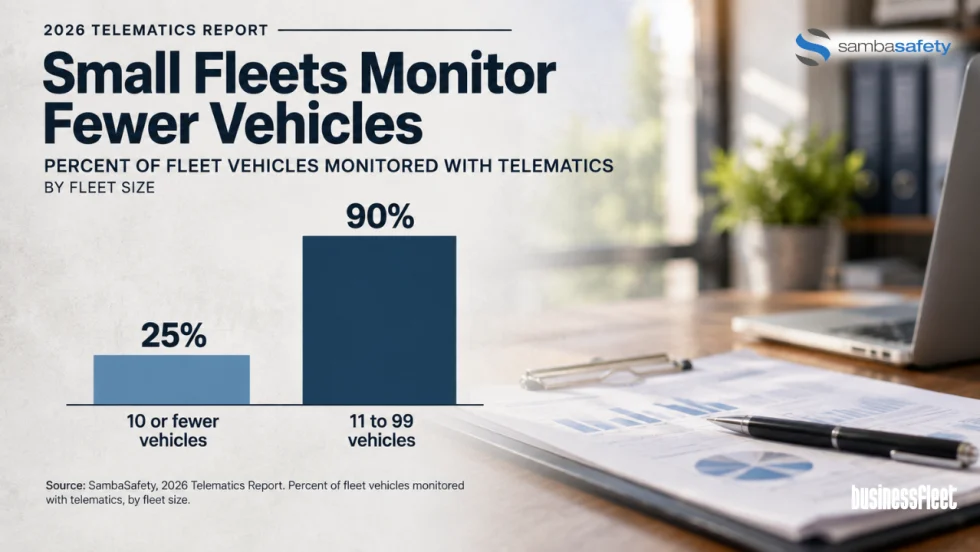
Small Fleets Lag in Telematics Coverage as Industry Moves Beyond Adoption
SambaSafety’s 2026 Telematics Report finds fleets with 10 or fewer vehicles monitor a much smaller share of their vehicles than larger operations, as the industry shifts its focus from collecting data to using it.
Read More →
Back-to-School Traffic Is Not the Risk Fleets Think It Is
Back-to-school traffic does not always mean more crashes. New Empiric Earth data shows why fleets should focus on when and where risk changes.
Read More →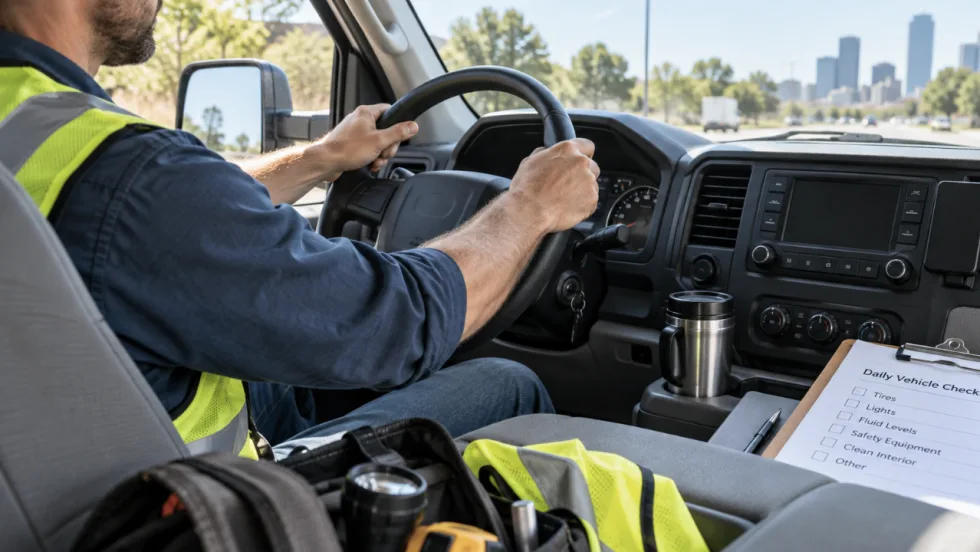
Small Fleet, Big Exposure: How to Reduce Workers’ Comp Risks
For small fleets, one crash can trigger far more than vehicle damage. Here’s how stronger driver safety policies, training, maintenance, and technology can help reduce workers’ comp exposure.
Read More →
Who Makes the Call When Winter Weather Gets Dangerous?
Winter weather can quickly change a small fleet’s plans. Knowing when to reroute, delay, or stop can matter just as much as preparing the vehicles themselves.
Read More →
API Issues Refueling Safety Guidelines
The American Petroleum Institute offers a list of safe vehicle refueling guidelines, including ways to avoid potential problems with static electricity discharges in fall, winter, and early spring.
Read More →