


Ford's Driverless Car to Arrive in 2021
Ford plans to produce a fully autonomous vehicle for commercial operation by 2021, as part of a ride-hailing or ride-sharing service.


Ford Motor Co. plans to produce a fully autonomous vehicle for commercial operation by 2021, as part of a ride-hailing or ride-sharing service, the company announced.
The vehicle will require no human driver for operation. “That means there will be no steering wheel, no gas pedals, and no brake pedals,” said Mark Fields, president and CEO of Ford.
To reach that goal, the company is investing in — or collaborating with — four startups: Velodyne, SAIPS, Nirenberg Neuroscience, and Civil Maps. Additionally, Ford is doubling its Silicon Valley team and more than doubling its Palo Alto campus.
“The next decade will be defined by automation of the automobile, and we see autonomous vehicles as having as significant an impact on society as Ford’s moving assembly line did 100 years ago,” Fields said. “We’re dedicated to putting on the road an autonomous vehicle that can improve safety and solve social and environmental challenges for millions of people — not just those who can afford luxury vehicles.”
Autonomous vehicles in 2021 are part of Ford Smart Mobility, the company’s plan to be a leader in autonomous vehicles as well as in connectivity, mobility, the customer experience, and data and analytics.
“Ford has been developing and testing autonomous vehicles for more than 10 years,” said Raj Nair, Ford executive vice president for global product development, and chief technical officer. “We have a strategic advantage because of our ability to combine the software and sensing technology with the sophisticated engineering necessary to manufacture high-quality vehicles. That is what it takes to make autonomous vehicles a reality for millions of people around the world.”
This year, Ford will triple its autonomous vehicle test fleet to become the largest test fleet of any automaker — bringing the number to about 30 self-driving Fusion Hybrid sedans on the roads in California, Arizona, and Michigan, Ford said. There are plans to triple it again next year.
Originally posted on Automotive Fleet
More Safety

Clocks Fall Back Nov. 1. Is Your Fleet Ready for Earlier Darkness?
Clocks fall back Nov. 1. Help your fleet prepare for earlier darkness with quick checks for driver visibility, schedules, fatigue, and seasonal road hazards.
Read More →
Tips for Driving Safely on Halloween Night
This video features a reminder from the Connecticut Department of Transportation (DOT) and the Connecticut Police Chiefs Association, urging drivers to prioritize safety this Halloween.
Read More →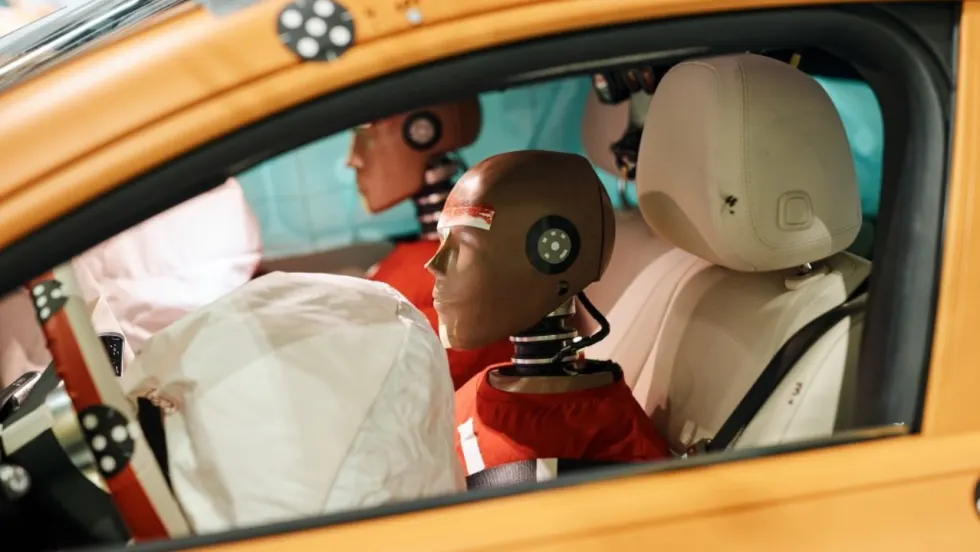
Mercedes Benz Tests CLA Occupant and Battery Protection in Side Impact Crash
Two CLA sedans traveling at 35 mph were used in a Mercedes-Benz crash test examining occupant protection and electric vehicle battery safety.
Read More →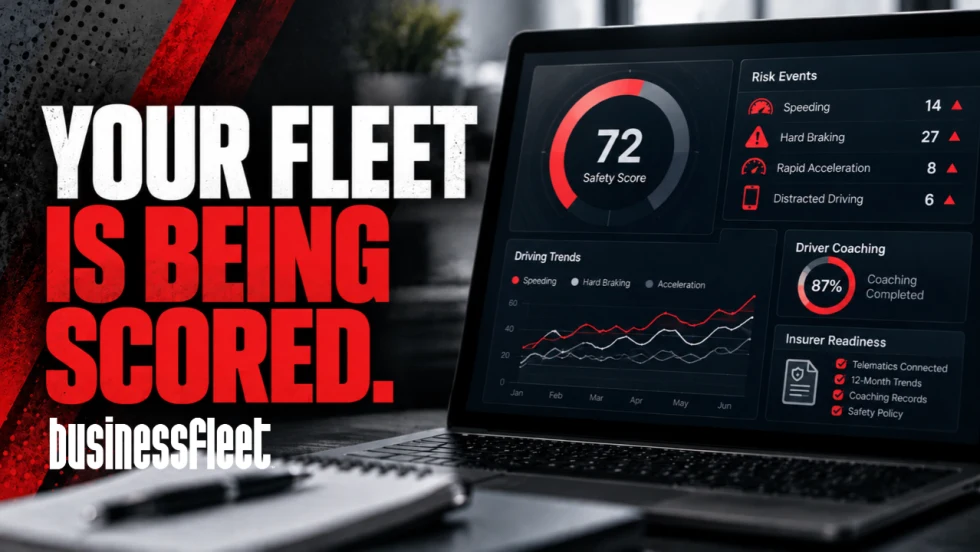
How Technology Can Help Fleet Owners Improve Insurability
Your fleet's telematics data could be the difference between getting insurance coverage and facing higher premiums or non-renewal. Here's what insurers are looking for and how fleets can use that data to make a stronger case at renewal.
Read More →
Simple Tire Checks That Help Keep Your Business Fleet Moving
A survey found that nearly one in every 10 passenger vehicles has at least one bald tire. What's more, 27% -- more than one in four -- of vehicles are driven with one or more severely under-inflated tires.
Read More →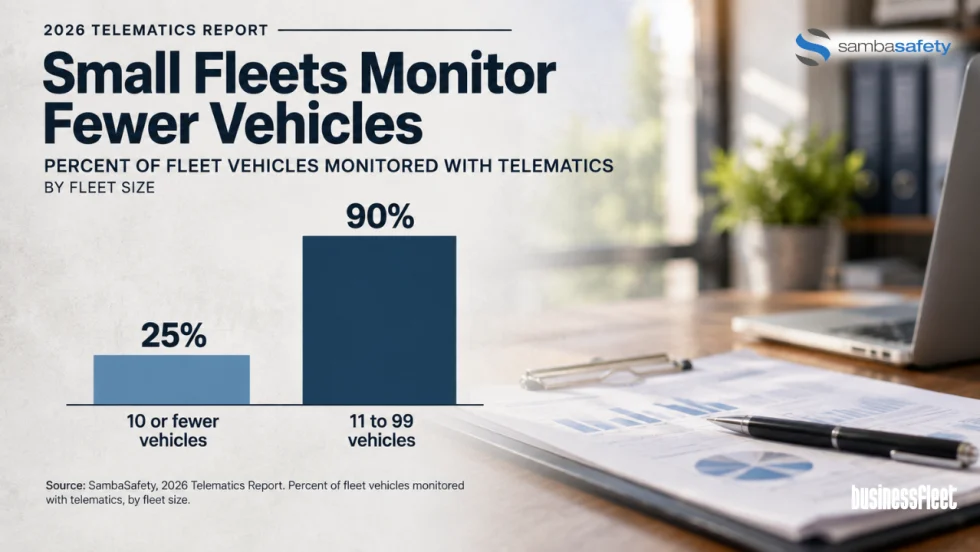
Small Fleets Lag in Telematics Coverage as Industry Moves Beyond Adoption
SambaSafety’s 2026 Telematics Report finds fleets with 10 or fewer vehicles monitor a much smaller share of their vehicles than larger operations, as the industry shifts its focus from collecting data to using it.
Read More →
Back-to-School Traffic Is Not the Risk Fleets Think It Is
Back-to-school traffic does not always mean more crashes. New Empiric Earth data shows why fleets should focus on when and where risk changes.
Read More →
Small Fleet, Big Exposure: How to Reduce Workers’ Comp Risks
For small fleets, one crash can trigger far more than vehicle damage. Here’s how stronger driver safety policies, training, maintenance, and technology can help reduce workers’ comp exposure.
Read More →
Who Makes the Call When Winter Weather Gets Dangerous?
Winter weather can quickly change a small fleet’s plans. Knowing when to reroute, delay, or stop can matter just as much as preparing the vehicles themselves.
Read More →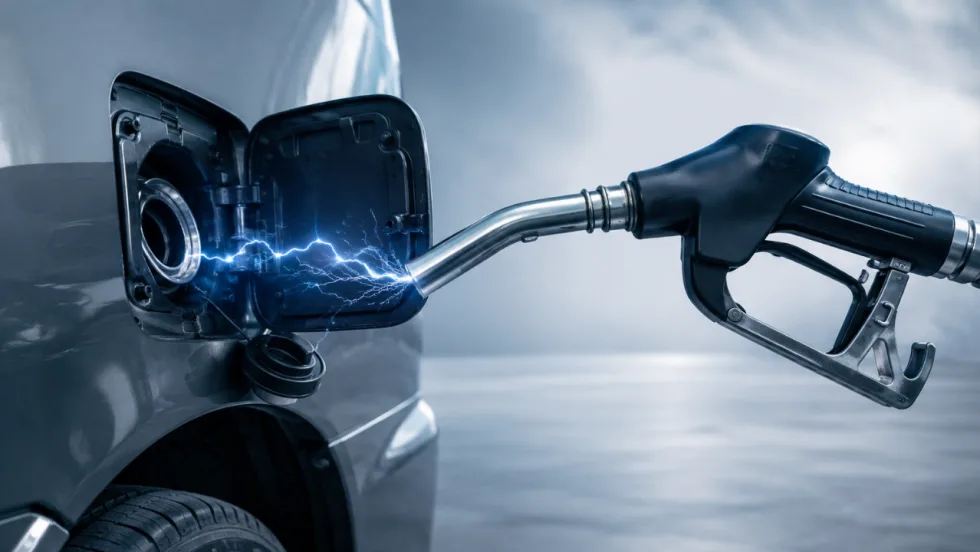
API Issues Refueling Safety Guidelines
The American Petroleum Institute offers a list of safe vehicle refueling guidelines, including ways to avoid potential problems with static electricity discharges in fall, winter, and early spring.
Read More →